


In business practice and financial transactions, a cheque remains an important instrument for settling debts between contracting parties, whether for the sale of goods, service agreements, or commercial payments. However, one common issue that frequently gives rise to legal disputes is a bounced cheque, which may lead to both criminal and civil liability if the parties involved do not properly understand their rights and obligations under the law.
What Is a Bounced Cheque?
A bounced cheque refers to a situation where the cheque holder presents the cheque for payment at a bank, but the bank refuses to honor the payment for the amount stated on the cheque. Common reasons for a cheque being dishonored include:
- Insufficient funds in the account
- The bank account has been closed
- The account has been suspended by the bank
- The signature on the cheque does not match the bank’s records
When a cheque is dishonored, the cheque issuer may be subject to legal liability, particularly where the case falls within the scope of a criminal bounced cheque offense.
Is Issuing a Bounced Cheque a Criminal Offense?
Under the law, if a cheque is issued for the purpose of settling a debt, and such debt is legally enforceable, the issuer of a bounced cheque may be subject to criminal penalties, including:
- A fine of not more than 60,000 THB, or
- Imprisonment for a term not exceeding one year,
- Or both a fine and imprisonment.
However, not all bounced cheque cases can be prosecuted criminally. The injured party must strictly comply with the procedures and time limits prescribed by law.
What Should the Cheque Holder Do When a Cheque Bounces?
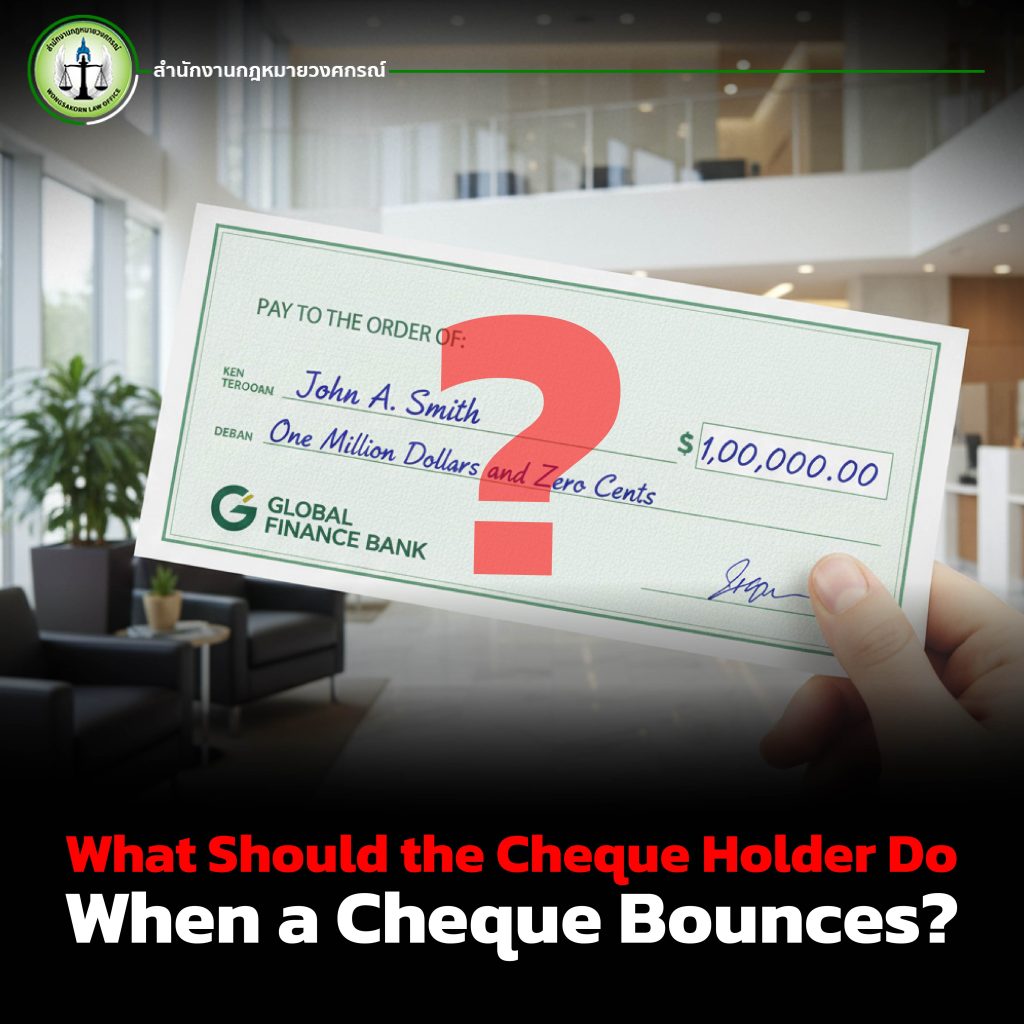
When a cheque is dishonored, many cheque holders feel uncertain about how to proceed or fear losing their legal rights due to procedural errors. In fact, the law clearly prescribes the proper steps and time limits for legal action. If the cheque holder acts promptly and correctly from the outset, the chances of enforcing their rights and minimizing losses will be significantly increased.
1. File a Criminal Complaint Within the Prescribed Period
The injured party must file a criminal complaint with the investigating officer within three months from the date the cheque is dishonored. If this period expires, the criminal case becomes time-barred, and criminal proceedings against the cheque issuer can no longer be initiated.
After a complaint has been filed, there are two primary legal approaches:
Approach 1: Prosecution Through the Investigating Officer
The investigating officer will conduct an investigation, collect evidence, and submit the case file to the public prosecutor for consideration and prosecution before the court. This is the standard criminal procedure, though it may take a considerable amount of time.
Approach 2: Direct Filing of the Case Through a Lawyer
The injured party may engage a lawyer to file the case directly with the court. In practice, this method is often faster and allows for more effective legal strategy planning.
Key Issue: The Cheque Must Be Issued to Settle a “Legally Enforceable Debt”
The core element of a bounced cheque case is that the cheque must be issued to settle an existing debt that is legally enforceable.
Example of a Legally Enforceable Debt
Mr. A purchases steel from Mr. B and issues a cheque to pay for the goods. This constitutes a lawful debt arising from a sales contract. If the cheque bounces, Mr. B may initiate a bounced cheque case.
Example of a Non-Enforceable Debt
Mr. A issues a cheque to Mr. B to settle an illegal gambling debt. If Mr. B presents the cheque and it bounces, Mr. B cannot file a bounced cheque case, as gambling debts are not recognized or enforceable under the law.
Can a Civil Lawsuit Also Be Filed?
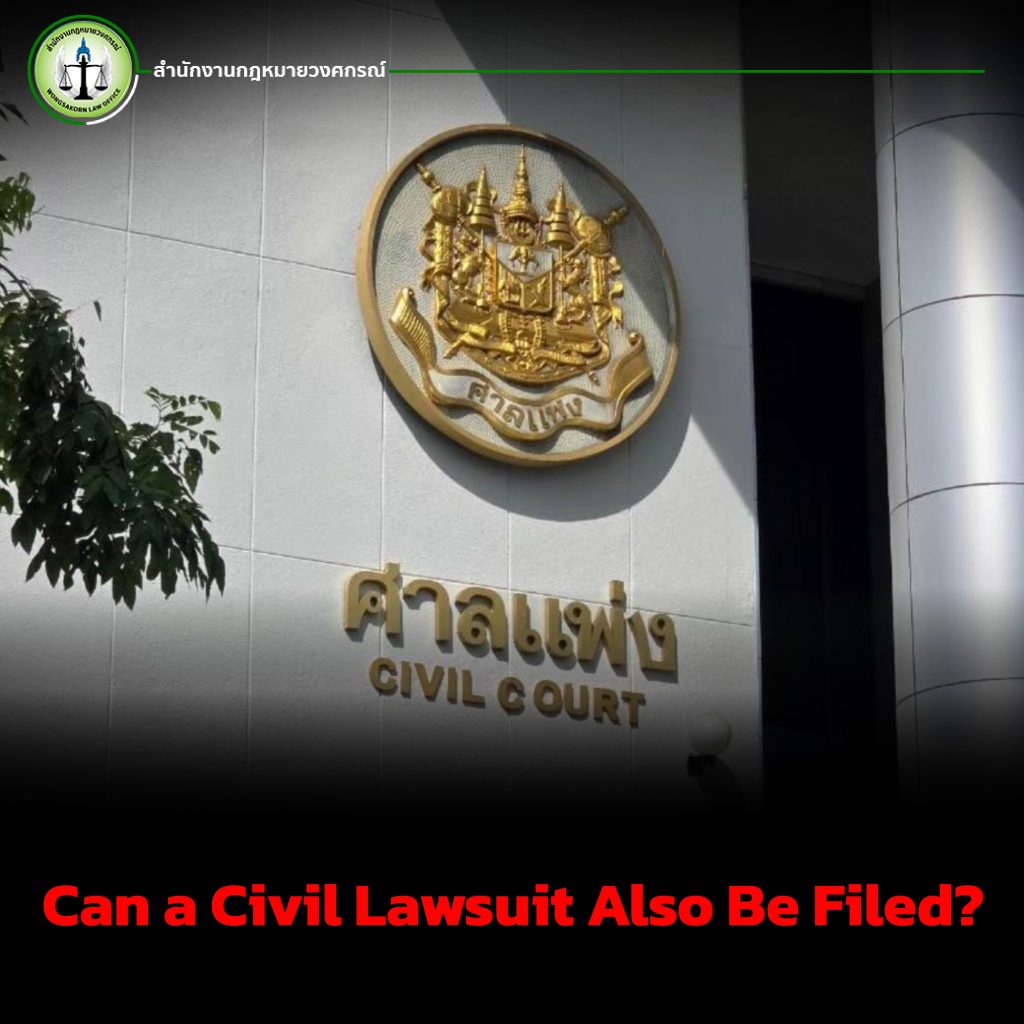
In addition to criminal proceedings, the injured party may also file a civil lawsuit to claim damages equal to the amount stated on the cheque, as the cheque issuer remains liable under the terms of the cheque.
However, investigating officers do not handle civil cases. The injured party must engage a lawyer to pursue civil proceedings independently. Properly coordinating civil and criminal actions can significantly increase the chances of recovery and reduce financial losses.
Why Is Consulting a Lawyer Important?
Bounced cheque cases involve complex legal issues, including statutes of limitation, debt validity, and litigation strategy. Procedural mistakes may result in the loss of legal rights without the injured party even realizing it.
If you are a victim of a bounced cheque case or have questions regarding civil or criminal proceedings, consulting a lawyer at an early stage will help you understand your rights, plan your case correctly, and reduce legal risks. You may contact a lawyer directly by clicking >>Contact Us<<.