


In recent years, Thailand has become a prime destination for foreign nationals seeking to invest and conduct business—especially Chinese investors, who have played a significant role in driving the country’s economy through trade, real estate investment, and the development of digital enterprises.
However, the growth of Chinese-owned businesses in Thailand has not only brought economic opportunities but has also opened the door to money laundering activities linked to transnational criminal groups—such as the so-called “Chinese Mafia” or Chinese mafia—who have used Thailand as a base for laundering illicit funds and concealing illegally obtained assets.
Chinese Mafia : A Transnational Money Laundering Syndicate
The term “Chinese Mafia” refers to Chinese criminal groups with transnational networks that engage in a wide range of illegal activities, including call center scams, money laundering, and drug trafficking. These groups often establish businesses such as restaurants, digital currency exchange firms, or real estate companies in Thailand. They commonly use Thai nationals as nominees to hold assets in their name, thereby evading scrutiny from law enforcement authorities.
One of their primary money laundering methods involves the use of cryptocurrencies and complex transactions conducted through digital coin exchange platforms. These assets are later converted into cash and transferred to individuals—mostly powerful figures in China—who seek to use the funds for business operations in Thailand or to obscure the illegal origins of their money.
How Chinese Businesses Operate in Thailand
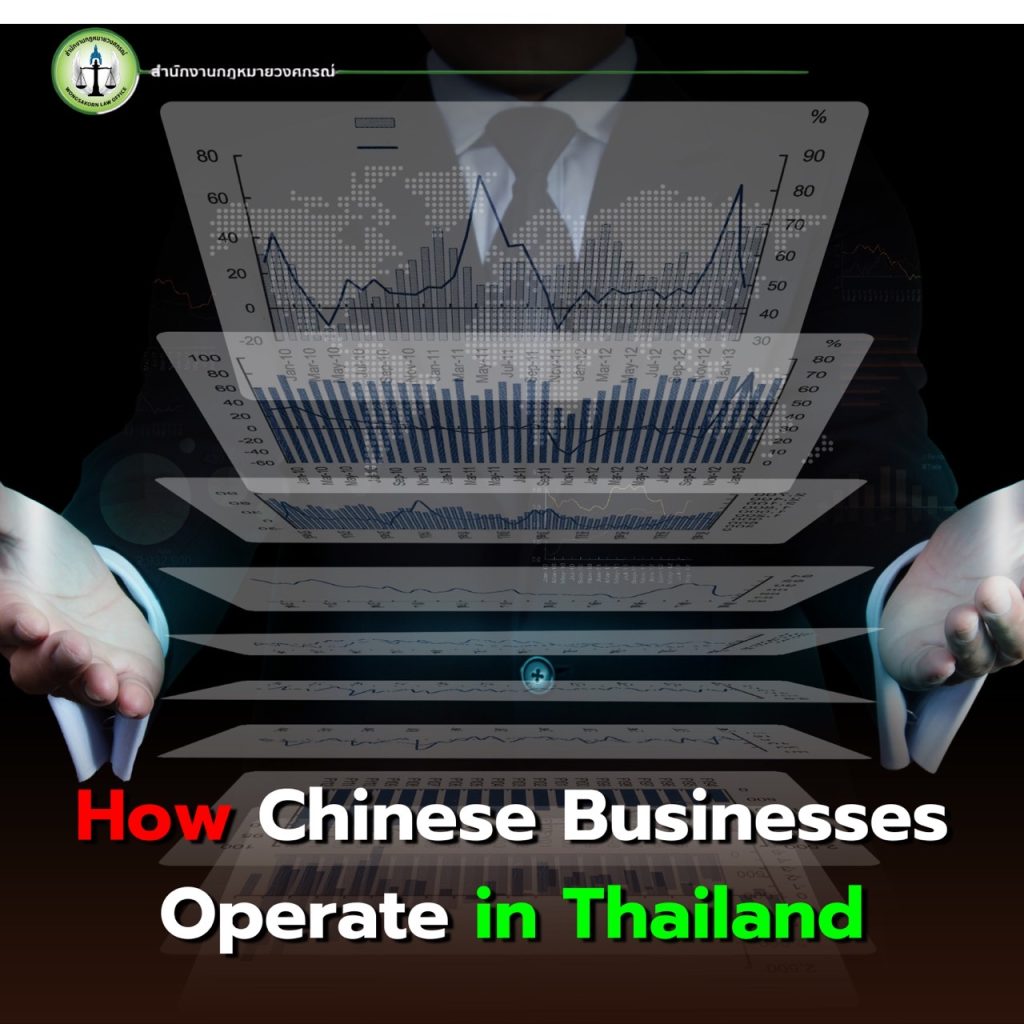
Chinese businesses investing in Thailand span various sectors, including trade, real estate investment, and online ventures. However, some of these businesses may operate in a less transparent manner, such as using shell companies or setting up businesses that do not engage in actual commercial activities but are established to evade taxes or facilitate money laundering.
Furthermore, the use of digital currencies (cryptocurrency) in transactions has made it easier for money laundering operations to function without going through traditional financial channels, which makes it difficult for law enforcement authorities to track and control these activities.
Money Laundering and the Illicit Business Operations
Money laundering is a crime that significantly impacts the economic system and national security. Money laundering operations attempt to conceal the source of illegal funds obtained through fraud or drug trafficking by channeling them through seemingly legitimate businesses. These may include investments in real estate, company formations, or even online businesses related to digital assets.
Thai authorities have begun investigating these operations seriously, particularly focusing on the use of “mule accounts” and “nominee companies,” which are methods commonly used by criminal groups to evade government scrutiny. A mule account refers to a bank account opened under someone else’s name, which could be a relative, acquaintance, or even an individual hired or tricked into opening the account. These accounts are used to receive or transfer money from illegal activities, such as online gambling, fraud, or money laundering. The real account owner does not appear in any of the transactions, making it difficult to trace the true perpetrators.
Meanwhile, a nominee company is a business set up with a “nominee” shareholder or operator acting on behalf of another party. The actual beneficiary, often hiding behind the company, may be a person seeking to conceal their identity from authorities, such as a foreigner attempting to own land or operate a business in Thailand while bypassing legal restrictions. These methods have become tools for criminals to obscure the links to illegal transactions, making it complicated and time-consuming for authorities to track the financial flows and take legal action.
Laws and Regulations

In Thailand, money laundering and activities related to non-transparent businesses are punishable by severe legal penalties. Money laundering is considered a criminal offense, and those involved can be prosecuted under criminal law, the Computer Crime Act, and other measures aimed at combating cross-border money laundering.
The Royal Thai Police and related agencies continue to investigate and monitor money laundering operations and illegal businesses, focusing on preventing Thailand from becoming a hub for money laundering or a hiding place for illegal assets.
Chinese Business Operations in Thailand: Both Positive and Negative Aspects The business activities of Chinese investors in Thailand have both positive and negative aspects. While many types of businesses contribute to the economy and investment in the country, the exploitation of legal loopholes and non-transparent operations by certain Chinese entrepreneurs can pose a threat to the nation’s financial security. In particular, money laundering resulting from illegal business practices, if not strictly controlled, could have long-term negative impacts on society and the economy.
For those who suspect they may have fallen victim to money laundering or have been deceived by illegal investments, you can contact us for accurate information and advice on legal procedures.
Written by : Kannikar Charoenweerawong (Internship Student in Chinese Language)