



In today’s borderless economy, cross-border investment has become a norm in the business world. One of the most popular forms of business setup in Thailand is the establishment of a Joint Venture between foreign and Thai partners. This model plays a crucial role in enabling foreign investors to legally and effectively access the Thai market.
What is Joint Venture?

A Joint Venture refers to a business arrangement in which two or more individuals or legal entities come together to invest, establish, or operate a business. The parties enter into a clear agreement outlining the distribution of benefits, profits, risks, and management responsibilities according to the proportion agreed upon.
Joint ventures can take place over both short-term and long-term periods. For example, a short-term joint venture may be formed for a single construction project, while a long-term venture might involve establishing a company to jointly produce products or provide services.
The intelligent way for Foreigners doing business in Thailand
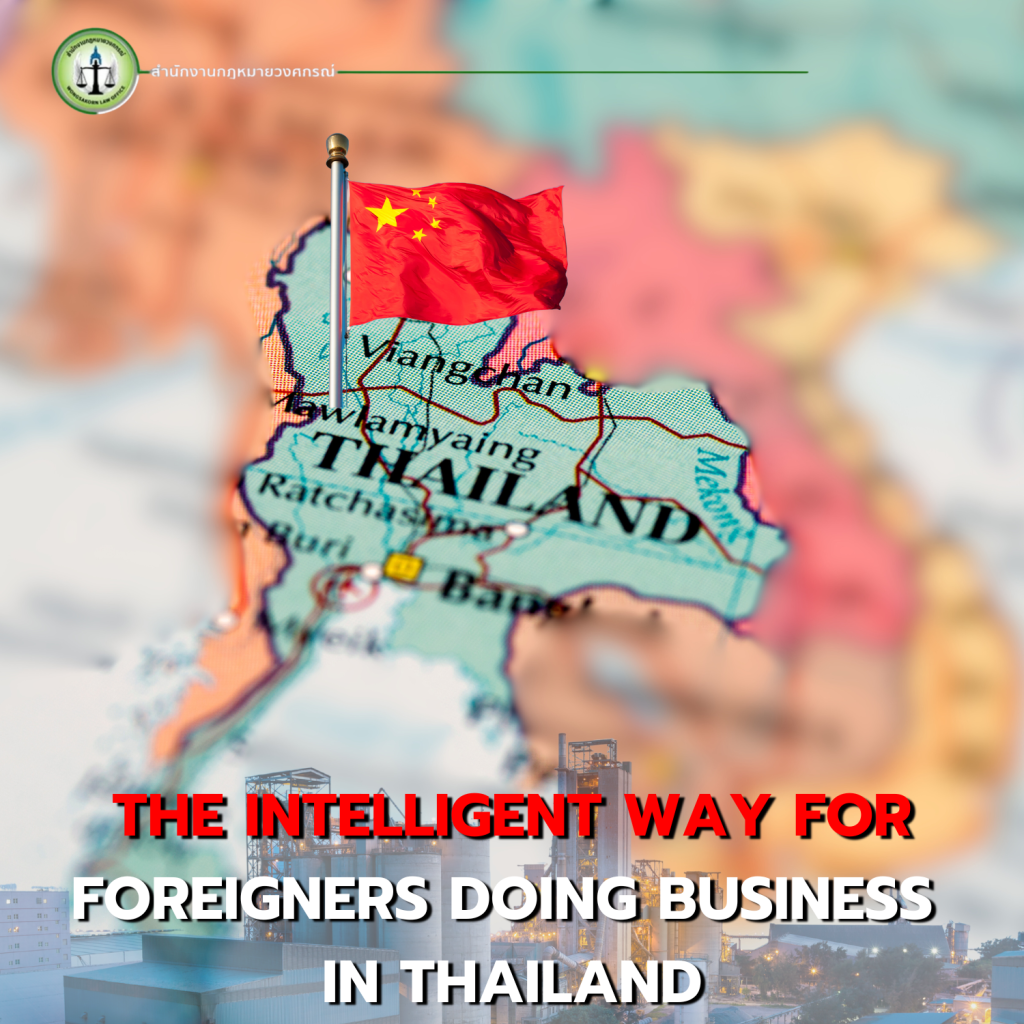
In cases where foreigners wish to start a business in Thailand, one of the most popular approaches—particularly among Chinese investors—is to operate through a joint venture rather than fully owning the business. This is because Thai law still restricts foreign ownership in many sectors. Therefore, partnering with Thai nationals through a joint venture has become a widely accepted and strategic option, offering several key advantages:
1. Easier Compliance with Thai Laws
Thailand imposes limitations on foreign shareholding in many business sectors (as stipulated under the Foreign Business Act), often capping foreign ownership at 49%.
👉 By entering into a joint venture with Thai partners who hold more than 50% of the shares, the business can legally operate as a “Thai entity,” which may eliminate the need for special licenses or permits from government authorities.
2. Leverage Local Knowledge
Thai partners understand the local market, culture, consumer behavior, and government procedures. This helps move the business forward more smoothly and efficiently.
3. Access to Local Networks and Resources
Thai partners often have better access to land, business connections, and even collaborations with local government agencies—resources that can be difficult for foreign investors to secure on their own.
Common Structures of a Joint Venture :

- Incorporating a new company together, where both parties invest capital and hold shares based on the agreed proportion.
- Temporary collaborations for specific projects, such as construction, research, or development efforts.
A Joint Venture Agreement is typically drafted to outline:- Capital contributions
- Management and decision-making structure
- Profit and loss sharing
- Duration of the venture
- Exit strategies or termination clauses
Example:
A Chinese company (Company A) wants to set up a manufacturing plant in Thailand.
➡ It forms a joint venture with a Thai company (Company B), where the Thai partner holds the majority of shares.
➡ A new entity (Company C) is established, with Company A holding 49% and Company B holding 51%.
➡ Company C can now operate legally in Thailand as a Thai company, in compliance with local laws.
Think Before You Invest, Don’t Fall for Scams

A Joint Venture is more than just a handshake between two parties — it is a strategic business collaboration that demands clarity, transparency, and careful planning. This is especially true when it comes to joint ventures between foreign investors and Thai nationals in Thailand. Such partnerships require a deep understanding of local laws and careful management of business relationships.
Avoid setting up “nominee” companies where Thai nationals hold shares on behalf of foreigners without genuine involvement in management — this practice is illegal and may lead to criminal liability.
Before entering into any investment, it is crucial to take the following steps:
- Verify the transparency and credibility of your Thai business partner before forming a joint venture.
- Have a clear exit strategy in case one party decides to withdraw from the business in the future.
Is a lawyer essential for your business?

Absolutely. Having a lawyer who specializes in international business and investment law in Thailand is crucial when setting up a joint venture. Why?
- To analyze relevant laws and determine whether your type of business requires any special permits or licenses.
- To draft and review contracts to ensure clarity, prevent future disputes, and protect your interests.
- To structure shareholding arrangements legally and safely for both parties.
- To handle company registration with the Department of Business Development (DBD) and coordinate with related agencies, such as the BOI (Board of Investment), if seeking investment incentives.
At Wongsakorn Law Firm,
We prioritize drafting joint venture agreements that are clear, comprehensive, and tailored to cover all situations — both in normal operations and in the event of a dispute. This helps you avoid legal risks and protect your rights in every aspect.
Having a legal advisor with in-depth knowledge of both Thai law and international commerce ensures that your joint venture is built on a strong, secure foundation — a key step toward success in the Thai market.
At Wongsakorn Law Office, our experienced legal consultants specialize in contract law, business registration, and assisting foreign investors doing business in Thailand. If you need legal support for setting up a joint venture or entering into a business partnership in Thailand, we are here to guide and support you — every step of the way.
👉 >> Contact Us << Today to Maximize Your Legal Advantage.
Reference : https://finance.oou.cmu.ac.th/?q=th/node/26705
Written by : Wararat Wongpothisarn (Internship Student in Chinese Language)