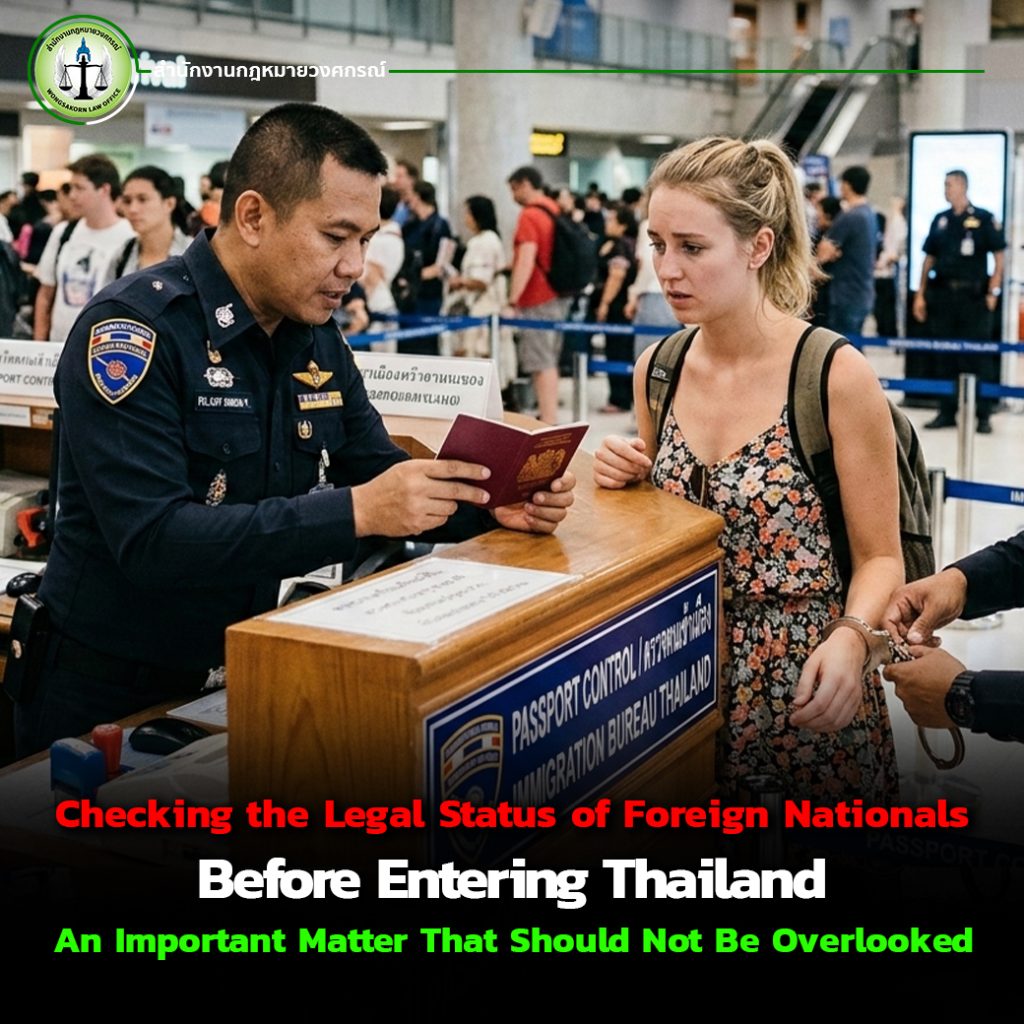
Checking the Legal Status of Foreign Nationals Before Entering Thailand: An Important Matter That Should Not Be Overlooked

In today’s globalized world, international travel has become faster and more convenient than ever before. Thailand has become a major destination for foreigners for various purposes, including tourism, investment, business operations, and employment within organizations across the country. However, one important issue that is often overlooked is checking the legal status of foreign nationals before entering Thailand.

Verifying legal status through government authorities, particularly the Immigration Bureau, is an essential process that can help prevent legal complications in the future. This applies not only to the foreign individual but also to organizations, companies, and individuals in Thailand who work with or have business relationships with foreign nationals.

This article from Wongsakorn Law Office explains why checking legal status is important, the benefits of conducting such verification, and why foreign nationals should ensure their legal status is clear before entering Thailand.

What Does Checking the Legal Status of Foreign Nationals Mean?
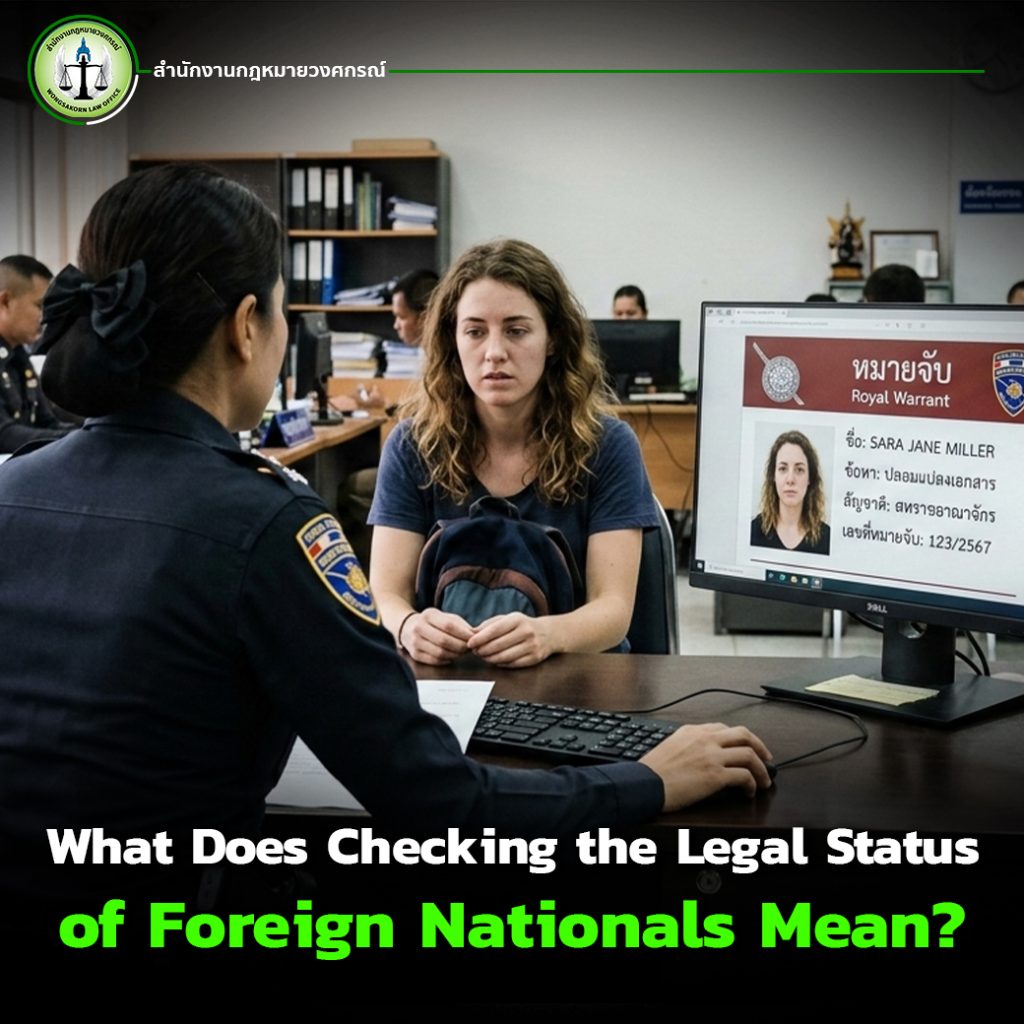
Checking legal status refers to verifying whether a person has any criminal record, ongoing criminal case, or arrest warrant in Thailand. Such information may be verified through relevant government authorities, including the Immigration Bureau and other agencies involved in the Thai justice system.

This type of verification is commonly used in situations such as:

  • Foreign nationals who wish to reside in Thailand for an extended period
  • Foreign investors planning to conduct business in Thailand
  • Individuals preparing to work for companies or organizations in Thailand
  • Persons involved in property ownership or financial investments in Thailand
  • Individuals who wish to confirm whether they have any legal issues in Thailand

Therefore, checking legal status is an important step in ensuring both legal certainty and personal security.

Why Should Foreign Nationals Check Their Legal Status Before Entering Thailand?
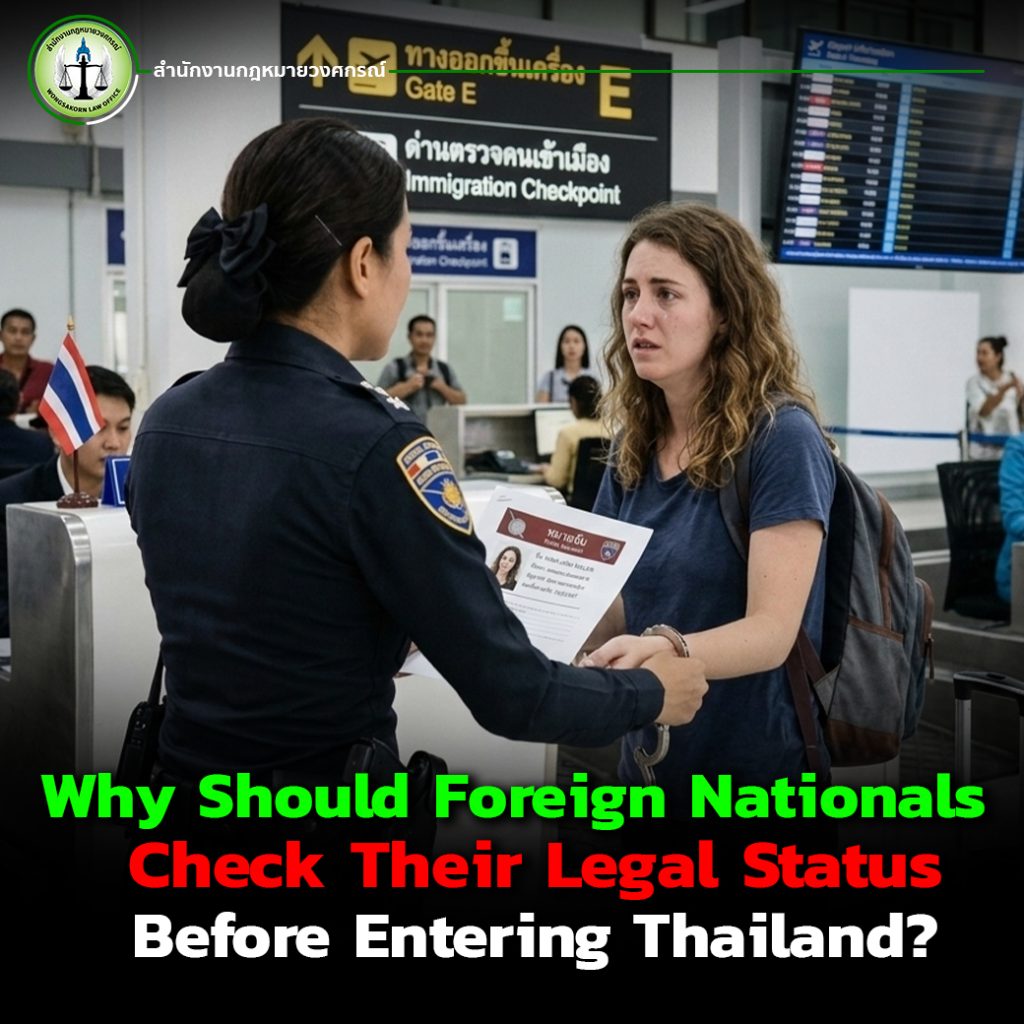
In some cases, foreign nationals may not even realize that they are connected to a legal case or arrest warrant in Thailand. This may occur due to prior business disputes, civil cases that later lead to legal action, or criminal cases that are still under investigation.

If an individual travels to Thailand without checking their legal status beforehand, several situations may arise:

1. Immediate Detention at the Airport

If authorities discover an arrest warrant or legal case associated with the individual, they may be detained immediately by immigration officers upon arrival.

2. Denial of Entry into Thailand

In certain circumstances, immigration authorities may refuse entry into the country.

3. Damage to Business or Investment Plans

Foreign investors facing legal issues may be unable to proceed with their planned business activities in Thailand.

4. Reputation and Credibility Risks

Legal complications may negatively affect the individual’s or organization’s reputation and credibility.

For these reasons, checking legal status in advance can significantly reduce these risks.

Benefits of Checking Legal Status Before Traveling to Thailand
Conducting legal verification before entering Thailand offers several important advantages:

1. Reducing Legal Risks

Knowing one’s legal status in advance allows individuals to resolve legal issues or prepare appropriate legal action before traveling.

2. Confidence When Traveling

Foreign nationals can travel with peace of mind if they know they have no legal complications in Thailand.

3. Supporting Organizational Screening Processes

Companies and organizations that work with foreign nationals can use legal status verification as part of their due diligence and screening process.

4. Preventing Long-Term Damage

Advance verification helps avoid potential future problems such as arrest, legal proceedings, or financial losses.

Who Should Especially Consider Checking Their Legal Status?
Legal status verification is particularly important for the following groups:

  • Foreign investors who intend to conduct business in Thailand
  • Individuals planning to purchase or hold real estate in Thailand
  • Foreign nationals married to Thai citizens
  • Foreign employees planning to work in Thailand
  • Individuals who previously had disputes or legal cases in Thailand

By checking legal information before entering the country, these individuals can plan their travel, business activities, and residence in Thailand more safely and effectively.

The Importance of Legal Status Verification for Businesses in Thailand

Not only foreign nationals should be concerned about legal verification. Thai companies and organizations that work with foreigners should also consider checking legal status as part of their risk management process.

Examples include:

  • Companies hiring foreign executives
  • Businesses with foreign partners or shareholders
  • Companies conducting financial transactions with foreign individuals
  • Organizations involved in joint investments with international investors

Conducting legal status verification can reduce the risk of becoming associated with individuals who may have legal complications.

Consulting a Lawyer Before Conducting Legal Status Checks

Although legal status verification can be conducted through government authorities, consulting a lawyer beforehand can be extremely beneficial.

A lawyer can:

  • Analyze the legal situation
  • Review case-related information
  • Provide guidance on legal procedures
  • Contact relevant government authorities
  • Develop legal strategies if any legal issues are discovered

Having legal professionals involved from the beginning helps reduce the risk of procedural mistakes and ensures the process is handled correctly.

Legal Status Verification: The Best Prevention Against Legal Problems
In a world where international travel and cross-border business occur rapidly, legal issues can also arise unexpectedly. Checking legal status is therefore an important tool for preventing risks for both individuals and organizations.

For foreign nationals planning to enter Thailand, verifying legal status beforehand ensures that their entry into the country will proceed smoothly, safely, and without legal obstacles.

At the same time, businesses and organizations that work with foreign nationals should also give importance to such verification to prevent potential damage in the future.

Preparing in advance and verifying legal information is always better than having to resolve legal problems after they occur.

Consult a Lawyer >> Contact Us << Wongsakorn Law Office
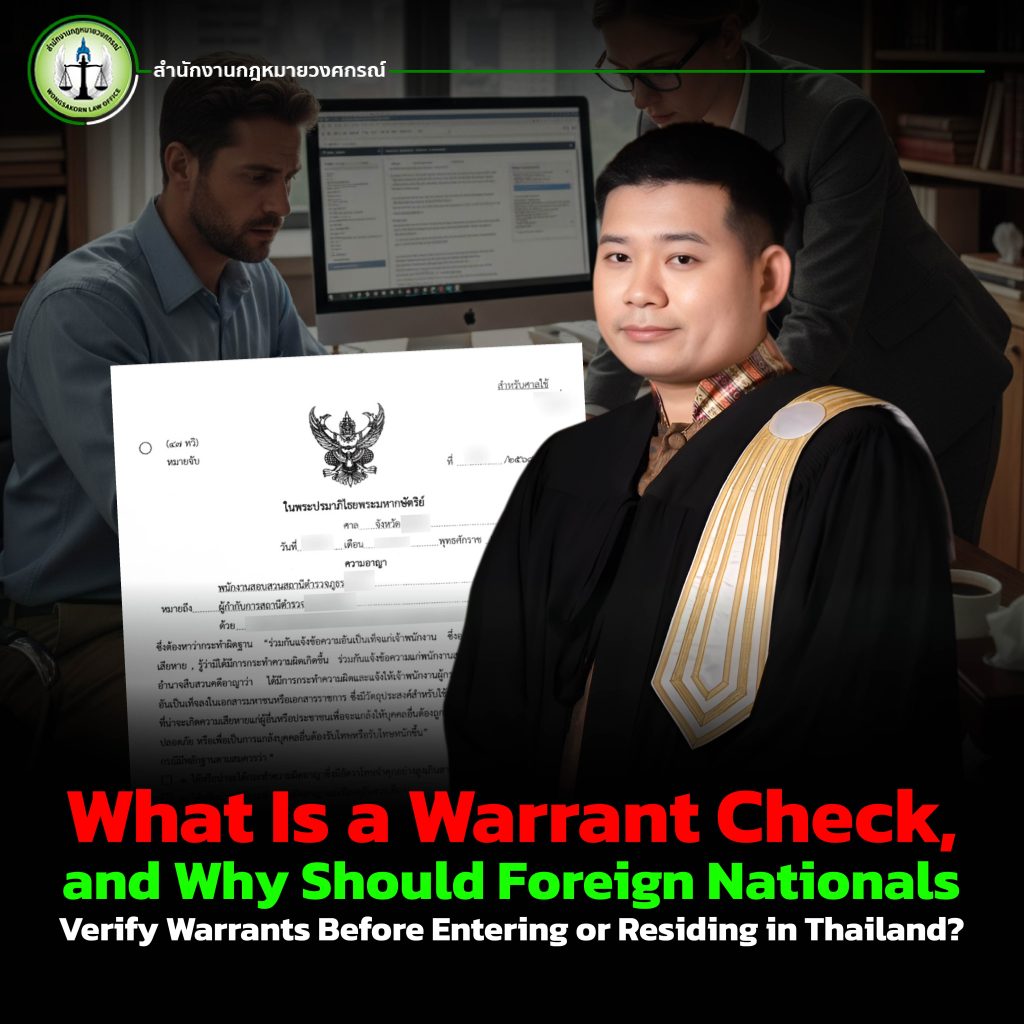
What Is a Warrant Check, and Why Should Foreign Nationals Verify Warrants Before Entering or Residing in Thailand?

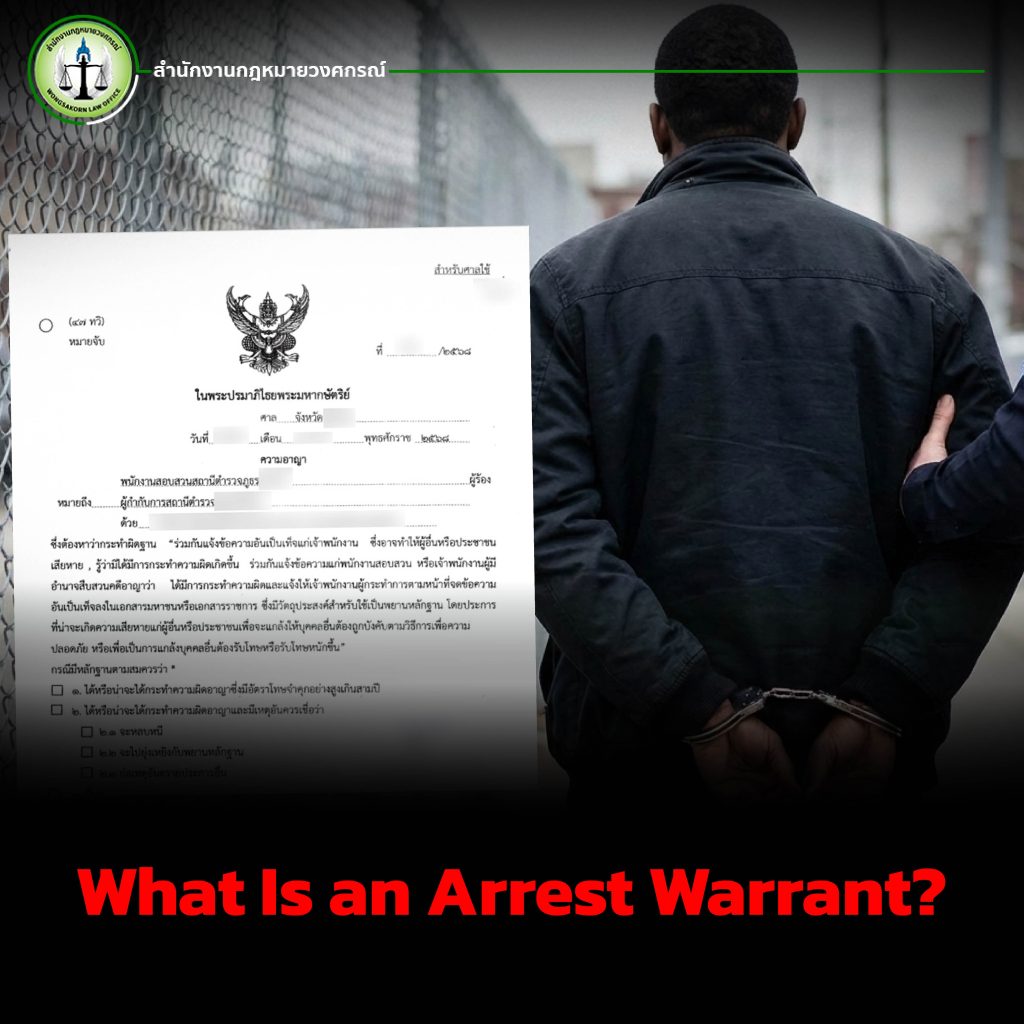
In Thailand’s criminal justice system, an arrest warrant is a legal instrument that directly affects an individual’s personal liberty. If an arrest warrant has been issued, the person concerned may be arrested immediately without prior notice, regardless of location or personal circumstances. For this reason, conducting a warrant check is of critical importance particularly for foreign nationals who enter Thailand to reside, work, travel, or conduct business.

This article explains what a warrant check is, the legal implications of arrest warrants under Thai law, and why foreign nationals should never overlook the importance of verifying their warrant status before or during their stay in Thailand.

What Is an Arrest Warrant?

An arrest warrant is a court order issued upon the request of an inquiry officer or a public prosecutor, authorizing law enforcement officers to arrest a person suspected of having committed a criminal offense. A warrant is generally issued when there are reasonable grounds to believe that the suspect may flee, interfere with evidence, or fail to appear in response to a summons.

Once issued by the court, an arrest warrant is enforceable throughout the Kingdom of Thailand. Law enforcement officers may execute the arrest immediately without prior notice, regardless of whether the individual has entered Thailand or is already residing in the country.


What Types of Cases Are Typically Associated with Arrest Warrants?

In general, arrest warrants in Thailand are related to criminal cases, including but not limited to:

  • General criminal offenses
  • Economic and financial crimes
  • Money laundering cases
  • Fraud offenses
  • Labor-related offenses
  • Immigration-related offenses

In many cases, the person subject to an arrest warrant may be unaware of its existence particularly in matters arising from past incidents, complaints filed without knowledge of the suspect’s whereabouts, or cases that continue while the suspect is residing abroad.

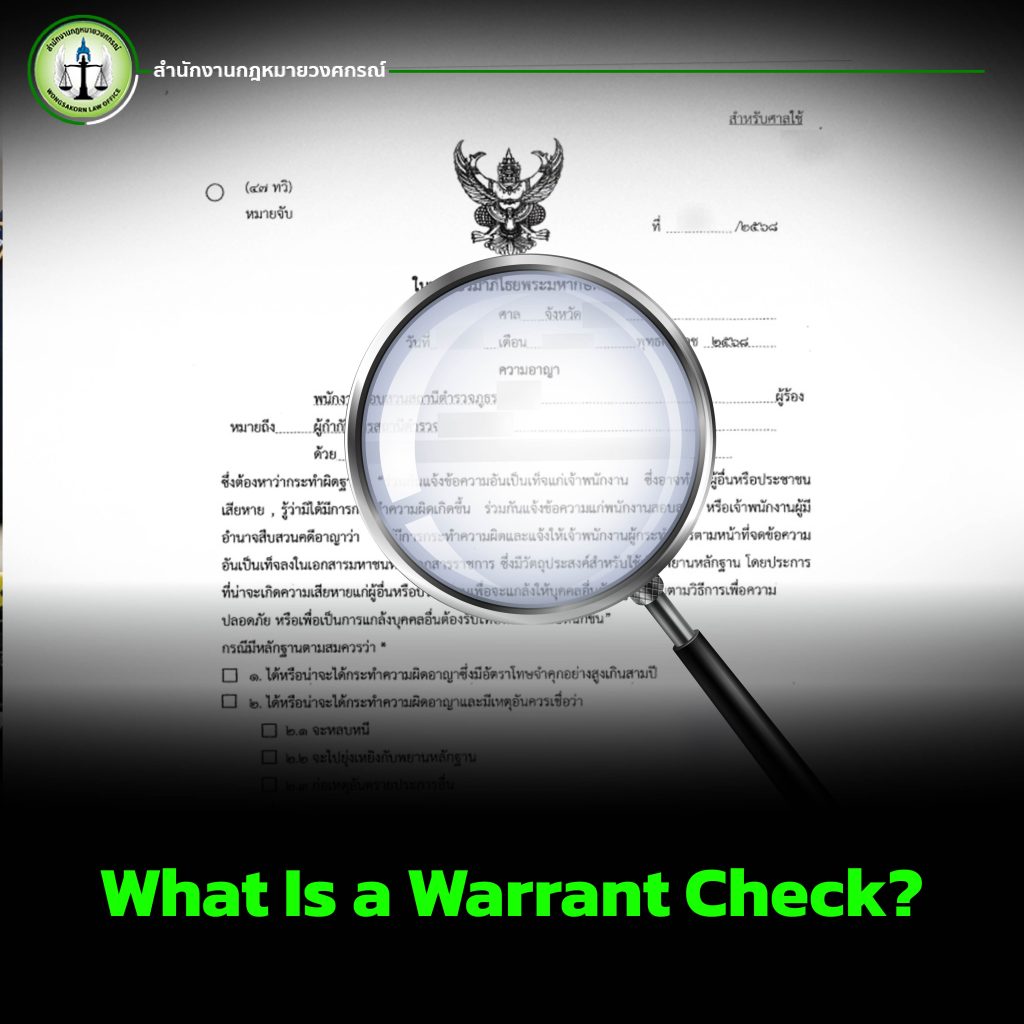
What Is a Warrant Check?

A warrant check is the process of verifying whether a specific individual has an outstanding arrest warrant recorded in the court system or with law enforcement authorities. A warrant check helps determine:

  • Whether an arrest warrant exists
  • Which court issued the warrant
  • The nature of the case
  • The current stage of the legal proceedings

Having this information in advance is essential, as it allows for careful and informed legal planning.

How Can Foreign Nationals Conduct a Warrant Check?

In practice, a warrant check cannot be easily conducted by individuals on their own. It involves access to legal records, interaction with relevant authorities, and proper legal interpretation. Conducting a warrant check through an experienced lawyer ensures that the process is carried out accurately, discreetly, and without creating additional legal risks for the individual concerned.

Why Should Foreign Nationals Check for Arrest Warrants?

For foreign nationals, verifying warrant status is far more important than many realize. The existence of an arrest warrant may have serious consequences, including:

1.  Immediate Risk of Arrest
A foreign national with an outstanding warrant may be arrested at immigration checkpoints, airports, hotels, or workplaces, potentially causing severe reputational and business damage.

2.  Impact on Travel and Visa Status
The discovery of an arrest warrant may affect immigration status, visa renewals, or even result in revocation of the right to remain in Thailand.

3.  Language and Legal System Barriers
Foreign nationals arrested without prior knowledge may face significant disadvantages due to language barriers and unfamiliarity with Thai legal procedures.

4.  Business and Reputational Consequences
For investors and business operators, an unexpected arrest may undermine the confidence of business partners, stakeholders, and affiliated organizations.

Warrant Checks: A Key to Strategic Legal Planning

Before a criminal matter escalates into an unexpected arrest, conducting a warrant check is a crucial step in preparing a structured and secure legal strategy. Knowing one’s legal status from the outset helps reduce the risk of sudden arrest and enables appropriate case management with legal counsel.

A prior warrant check allows individuals to:

  • Prepare for a voluntary and properly coordinated meeting with inquiry officers
  • Plan and submit an application for temporary release (bail) effectively
  • Gather relevant documents and evidence in advance
  • Consult with a lawyer to establish a sound defense strategy

In many cases, voluntarily appearing before authorities with legal representation from the outset can reduce case tension, enhance credibility in the justice process, and significantly increase the likelihood of being granted bail compared to an unexpected arrest.

Warrant Checks as Legal Risk Prevention

Arrest warrants should never be overlooked especially by foreign nationals residing in or traveling to Thailand. Conducting a warrant check in advance serves as an essential form of legal risk prevention, enabling individuals to respond appropriately and minimize potential impacts on personal liberty, daily life, and business operations.

If you are a foreign national or have concerns regarding your legal status in Thailand, consulting a lawyer to conduct a warrant check is the safest and most prudent course of action. Proper legal advice allows you to live and conduct business in Thailand with confidence and in full compliance with Thai law.

Which Court Has Jurisdiction? Thailand or China When Foreign Partners Dispute Company Shares?

Registering a business partnership isn’t just about completing paperwork. From a legal standpoint, when business partners are from different countries such as a Chinese and a Thai national one key question often arises:
“If a dispute occurs, which country’s court has the authority to decide the case?”
This article explains the issue in simple terms, with real-world examples that often occur in international business operations.

Case Example: Thai–Chinese Partners with a Company in Thailand but Contract Signed in China

Mr. A, a Chinese citizen, and Mr. B, a Thai citizen, entered into a business contract in China. Later, Mr. A established a company in Thailand and allowed Mr. B to hold some shares, making him a business partner in the Thai company.
As the business grew, Mr. A, the real owner, decided that he should hold all the shares and wanted to sue to reclaim the shares from Mr. B.

This raises the question:
Should the lawsuit be filed in a Thai court or a Chinese court?
The answer depends on legal principles governing company registration and jurisdiction in each country.

Legal Principle: Jurisdiction (“Which Court Has Authority”)

The first issue to consider is which country the dispute directly concerns. For example:

  • If the dispute relates to the business contract made in China, such as profit sharing or investment terms, then the case falls under Chinese jurisdiction.
  • But if the dispute concerns shares in a company registered in Thailand, regardless of who the shareholders are, it must be filed in a Thai court, as it concerns a Thai legal entity governed by Thai law.

Therefore, if the shares in question belong to a company registered in Thailand, even if the agreement originated in China, the case should be brought before a Thai court.

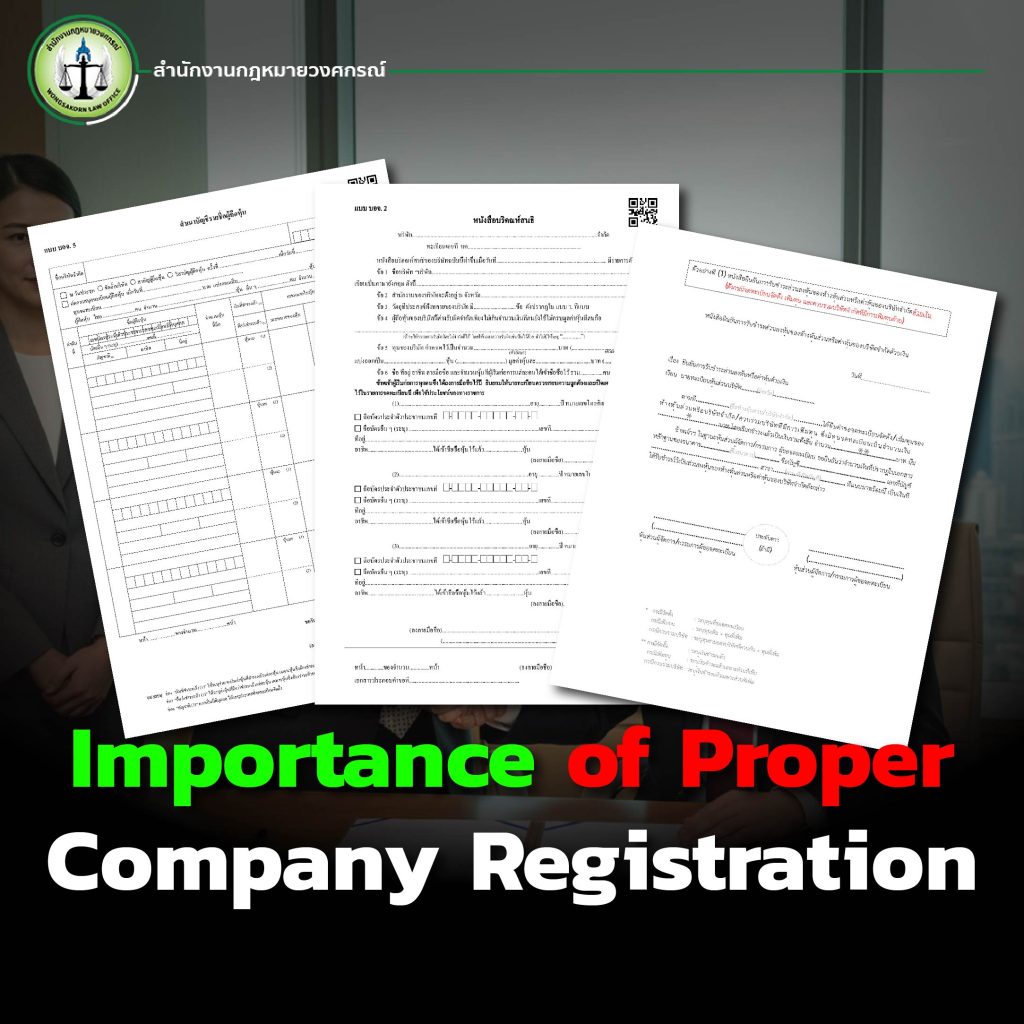
Importance of Proper Company Registration

This case highlights how proper company or partnership registration directly affects jurisdiction and shareholder rights.

If Mr. A and Mr. B had clearly specified the governing law and jurisdiction clause in their initial contract for instance, naming which court would handle disputes the matter would have been simpler.
However, many business partners overlook this step, forcing courts to later determine where the dispute arose and which court has jurisdiction.

That’s why, when registering a company or partnership, especially one involving foreign investors, it’s essential to have a lawyer experienced in international law review the agreement to prevent future conflicts over jurisdiction and shareholder rights.

Filing a Lawsuit to Reclaim Shares in a Thai Company

In the above case, since the company is registered in Thailand, a lawsuit to reclaim the shares must be filed in a Thai civil court, such as:

  • A petition to remove an unlawfully listed shareholder,
  • A lawsuit to transfer the shares back, or
  • A claim to recover dividends or benefits derived from the shares.

The Thai court will consider the case under the Civil and Commercial Code, along with corporate documents such as the company’s Articles of Association, shareholder list (Bor Chor 5), and proof of share payment.

If Mr. A also claims that the original contract made in China was breached, he may file a separate lawsuit in China, though its judgment will not directly affect the Thai share registry unless formally recognized by a Thai court, a process that can be complex and time-consuming.

Understanding “Two Legal Systems” in Cross-Border Business

International business partnerships require understanding both countries’ legal systems.
For example, if a Chinese national invests in Thailand, Chinese law may impose restrictions on foreign investment or currency transfers. Therefore, having a legal team familiar with both Thai and Chinese law is crucial to structuring the business properly and avoiding legal risks.

Wongsakorn Law Office Your Legal Partner in Thailand and China

If you or your company are facing disputes involving foreign shareholders or shares in a Thai-registered company, consult with a lawyer experienced in company registration and international business law.

Wongsakorn Law Office has a team of experts in both Thai and foreign law including Chinese lawyers based in our firm  who can handle and coordinate cases both in Thailand and China professionally.

Whether your case involves company registration, share transfer, or shareholder disputes,
We’re ready to represent and assist you across both Thailand and China.

Line @ คลิก! โทรหาเรา คลิก!