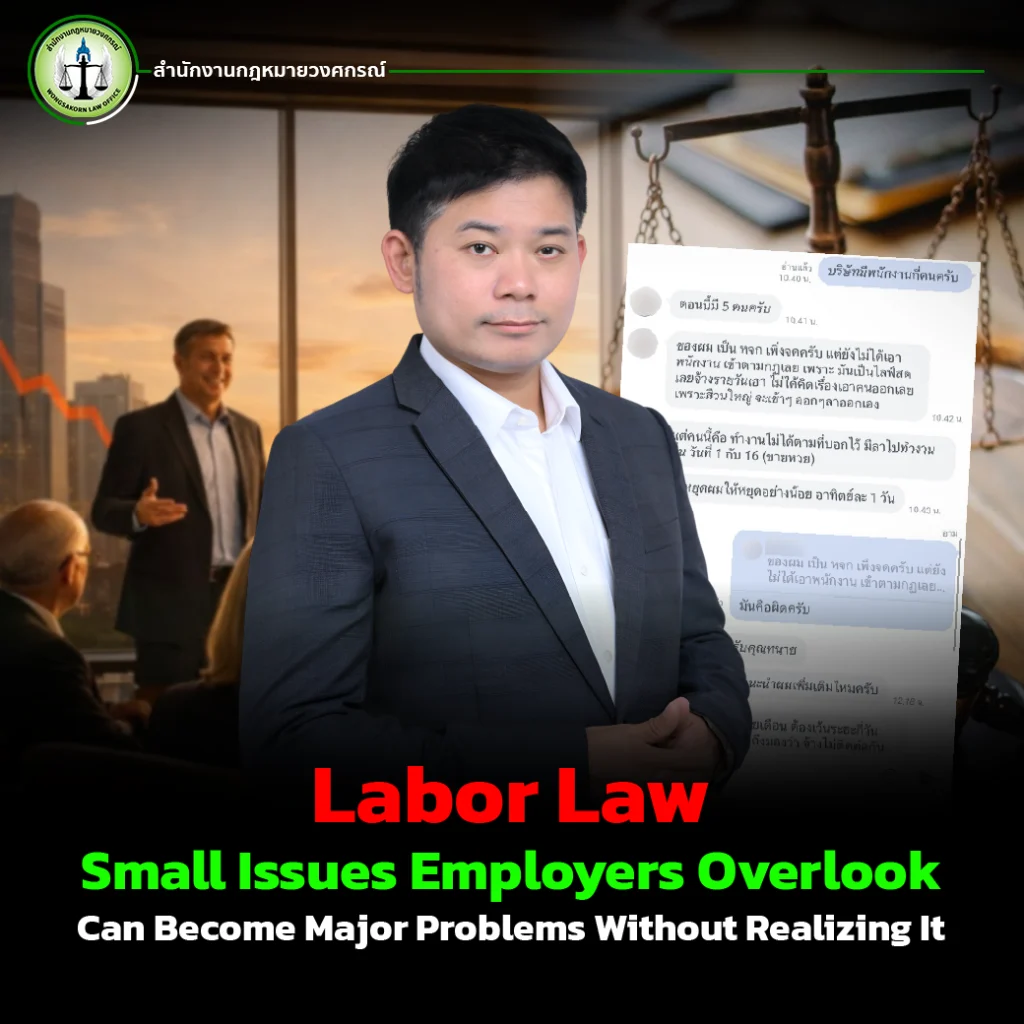
Labor law and employment-related issues are among the unavoidable challenges faced by business owners in the world of business. Regardless of whether a business is small or large, once employees are hired, labor law immediately becomes involved.
The key issue is that many employers do not intentionally violate the law, but instead unknowingly make mistakes due to a lack of understanding of legal requirements or the absence of professional legal guidance from the very beginning.
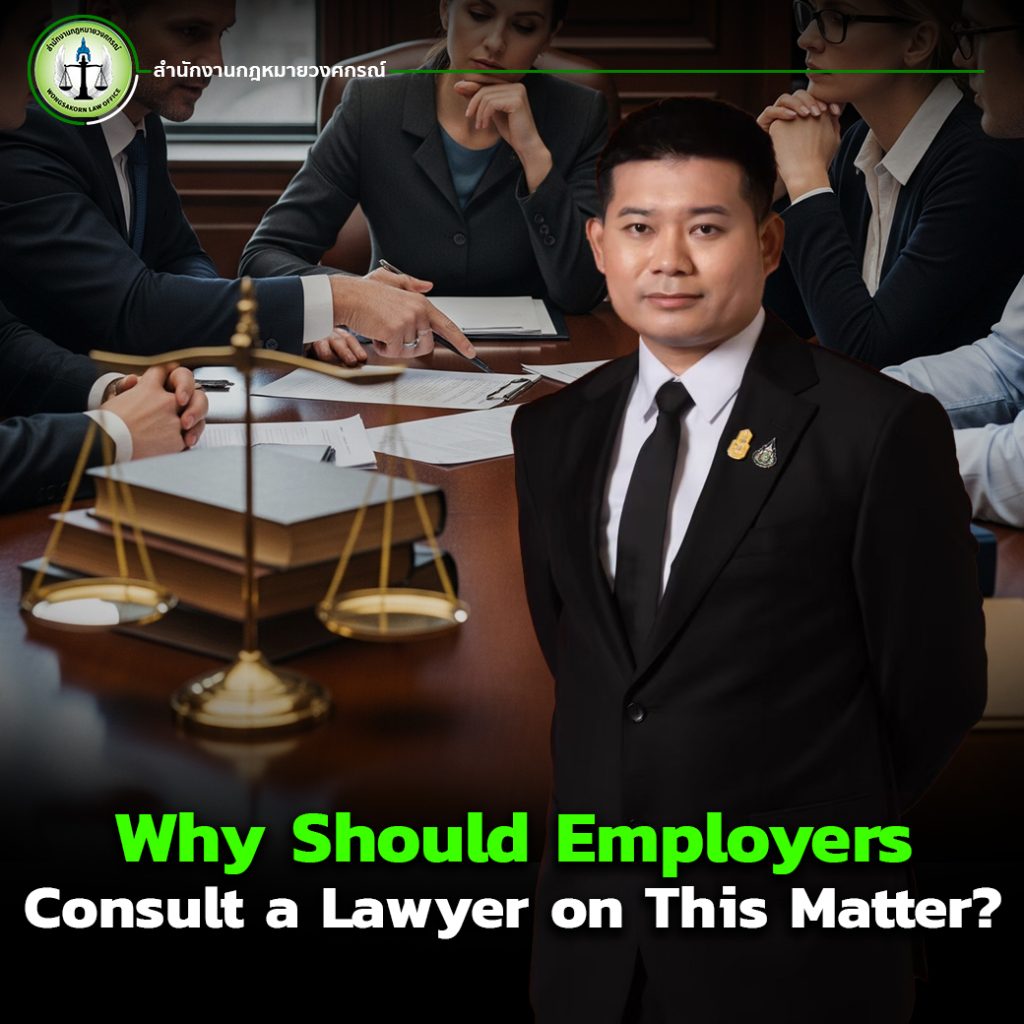
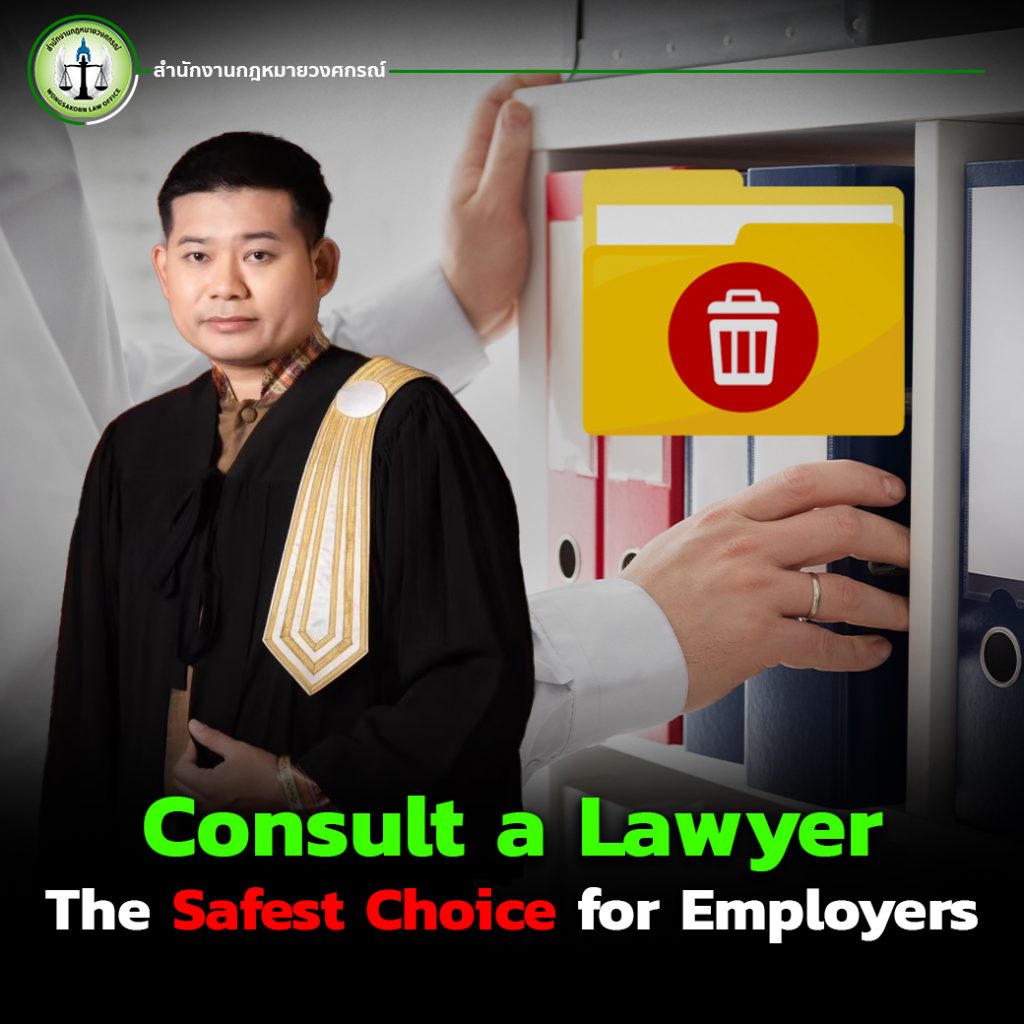
Recently, Lawyer Arm Supasit Siri spoke out about another real issue that frequently occurs in Thai workplaces. This has become an important matter that employers should be aware of, because many business owners engage in these practices every day without realizing that they may be at risk of violating labor law.
Issue No. 1: What Employers Need to Know About Immediate Termination?
One of the most common issues between employers and employees is when an employer orders an employee to “leave the job immediately.” Many employers mistakenly believe that if there is no written employment contract, the individual is not considered an employee, or that the employer is not legally responsible.
However, in reality, under labor law principles, an “employee” relationship is established immediately once there is an agreement for employment.
This means that even without a written employment contract, if there is an agreement for work to be performed and wages are paid, that person is already considered an employee under the law.
Therefore, if an employer orders an employee to leave immediately without lawful grounds, the employer may be required to pay severance compensation, payment in lieu of advance notice, or other damages in accordance with labor law.
Termination Is Not Just About Telling an Employee to Leave
Many companies believe that if they are dissatisfied with an employee, they can immediately ask the employee to stop working. However, legally, the issue is more complicated than many people think, especially regarding the “grounds for termination.” If the employer does not have clear evidence or cannot prove that the employee actually committed serious misconduct, the employer may ultimately become the disadvantaged party in a labor case.
Can an Employer Require an Employee to Leave Immediately?
In practice, if an employer wants an employee to leave immediately, the key is to handle the process properly and in accordance with the legal system.
Lawyer Arm Supasit shared an interesting perspective that employers are able to record in the Social Security system that:
- the employee’s employment has ended,
- together with the reason for the termination.
Such information will be recorded in the Social Security system, and in the future, the employee may also look back on or remember these events or employment records as well. For this reason, employers must handle the matter carefully and always remain within the framework of labor law.
Issue No. 2: Is It Illegal If an Employer Does Not Register Daily Employees for Social Security?
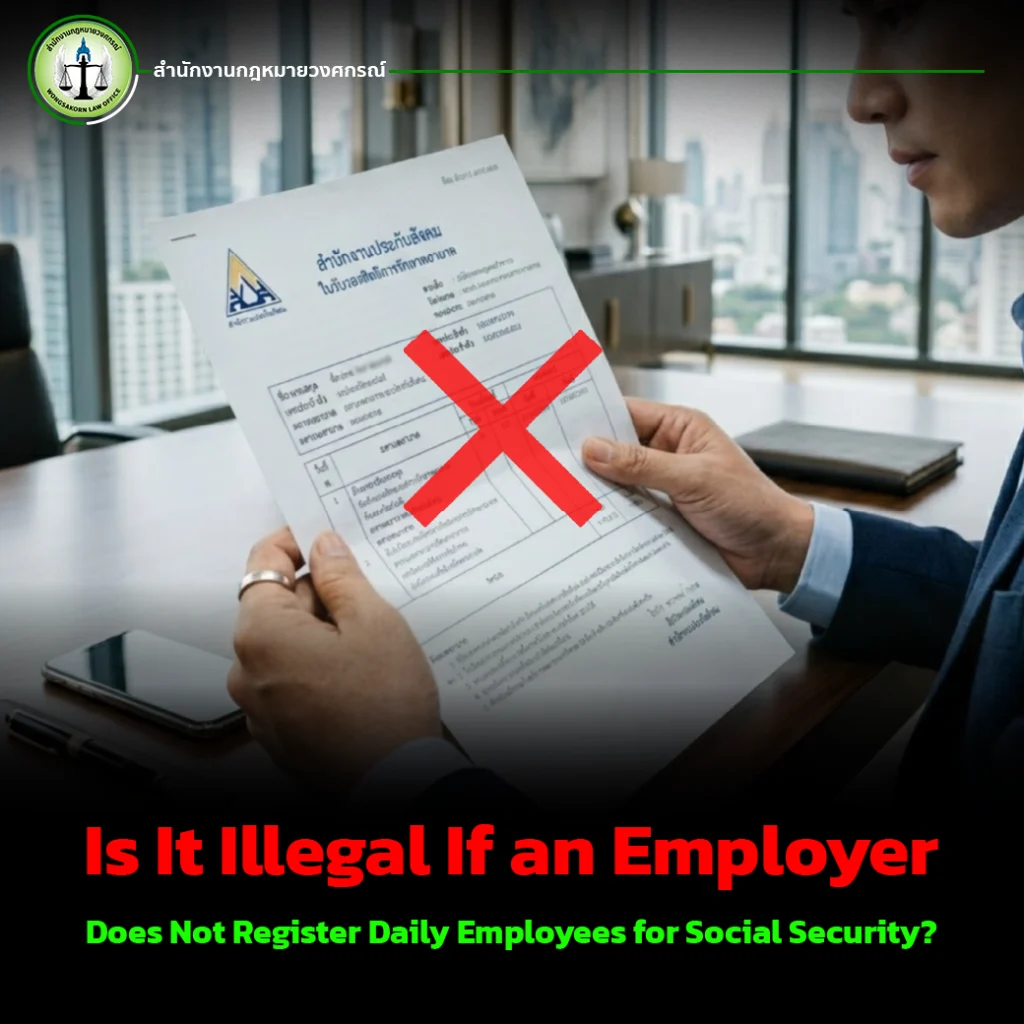
Another real case brought to Lawyer Arm involved a company with only five employees hired on a “daily wage” basis. The employer believed that there was no need to register them in the Social Security system. However, in reality, Lawyer Arm Supasit clearly confirmed that this is “against the law.” Under labor law and social security law, once an employee starts working on the very first day, the employer is legally required to register that employee in the Social Security system immediately.
Just Opening a Company or Recently Registering a Business Is Not an Excuse

Many employers often claim that:
- the business has just started,
- the company was only recently registered,
- or the business is still small.
However, legally speaking, these reasons are not exceptions. The moment a person becomes an “employer” and hires an “employee,” legal obligations arise immediately as well.
Labor Problems Often Begin with Small Issues
One concerning reality in labor law is that many labor disputes do not begin with major problems. Instead, they often start from “small issues” that employers overlook, such as:
- incomplete documentation,
- failure to register employees for Social Security,
- incorrect wage payments,
- terminating employees without understanding the law,
- or issuing company regulations improperly.
When these issues accumulate over time, they can eventually develop into labor disputes that may cause significant damage to a business.
If You Have Legal Counsel, the Problem May Never Occur
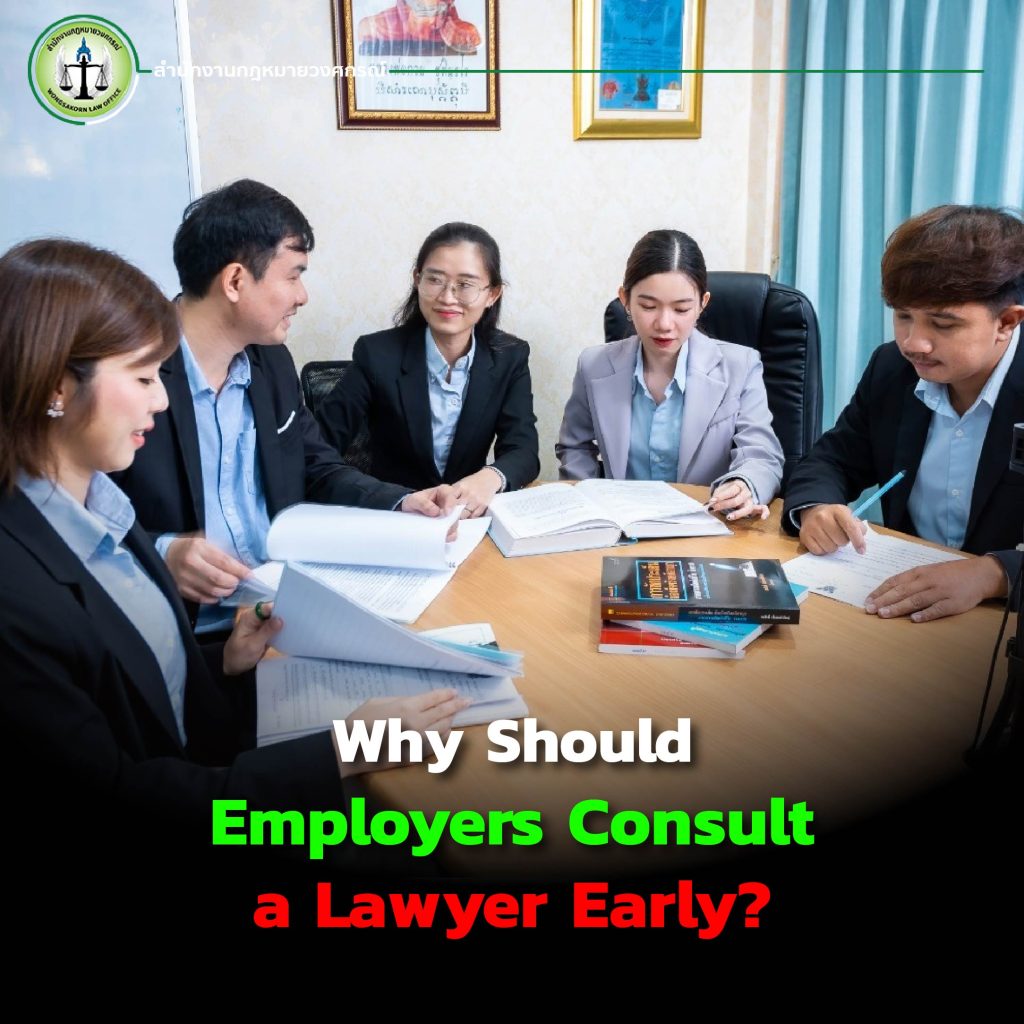
This is one of the key reasons why modern businesses should have legal counsel. A lawyer’s role is not simply to wait until a lawsuit happens, but to help “establish proper systems,” especially in labor law matters.
For example:
- reviewing employment contracts,
- establishing company regulations,
- reviewing Social Security compliance systems,
- providing legal advice before termination,
- and setting proper labor management guidelines.
All of these can significantly reduce legal risks.
Having Good Legal Counsel Makes It Easier for Employers to Handle Problems
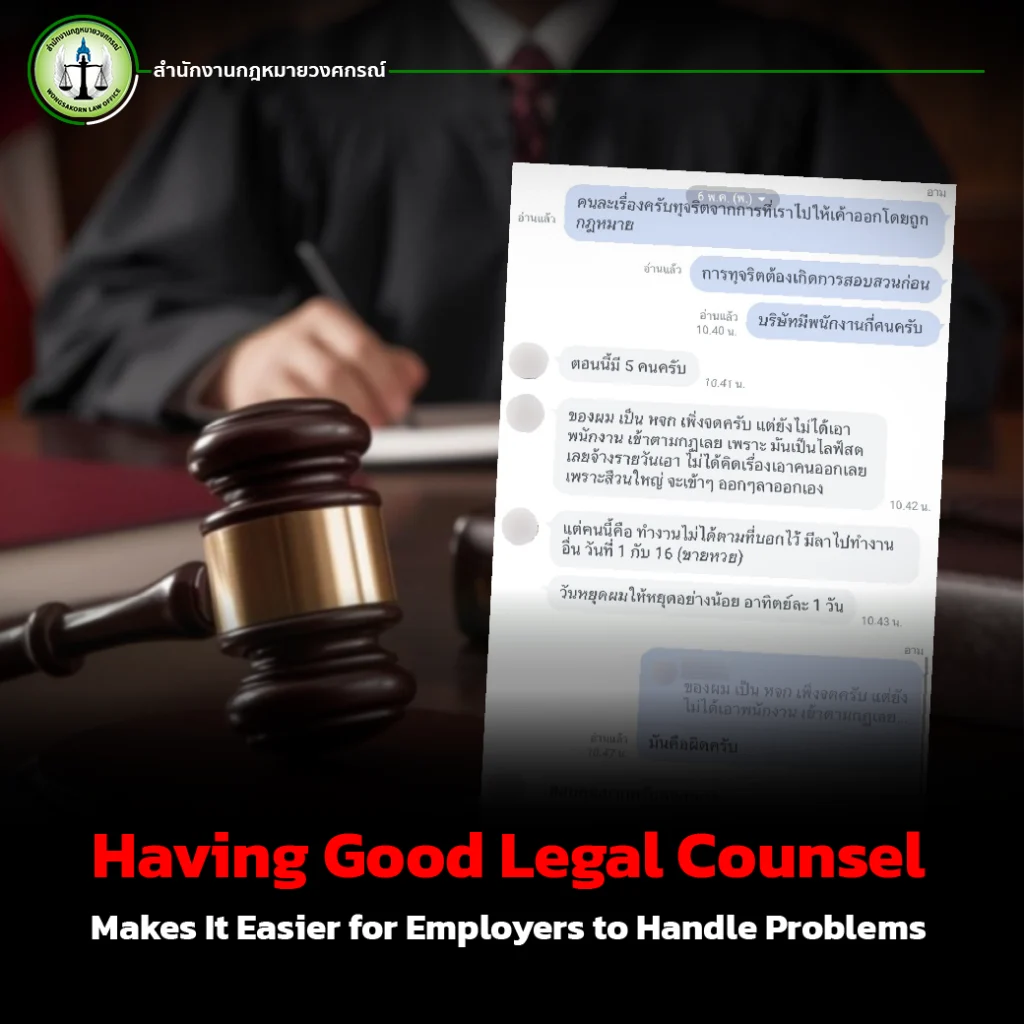
When problems arise, the most important things are evidence and systems. If a company has managed things properly from the beginning, such as documentation, company regulations, Social Security systems, and recordkeeping, employers will be able to handle labor issues much more easily.
Labor Law Is Not a Distant Issue for Business Owners
Many business owners focus heavily on sales, profit, and marketing, while overlooking labor law. In reality, however, labor law is one of the most important risks within any organization because as long as you have employees, labor-related issues are unavoidable.
A Small Issue Today May Become a Major Case Tomorrow
From the case examples shared by Lawyer Arm Supasit Siri, it is clear that many problems often begin as “small issues” that employers tend to overlook. However, in the context of labor law, these small matters can always develop into major legal disputes.
Therefore, the best solution is to have legal counsel involved from the very beginning.