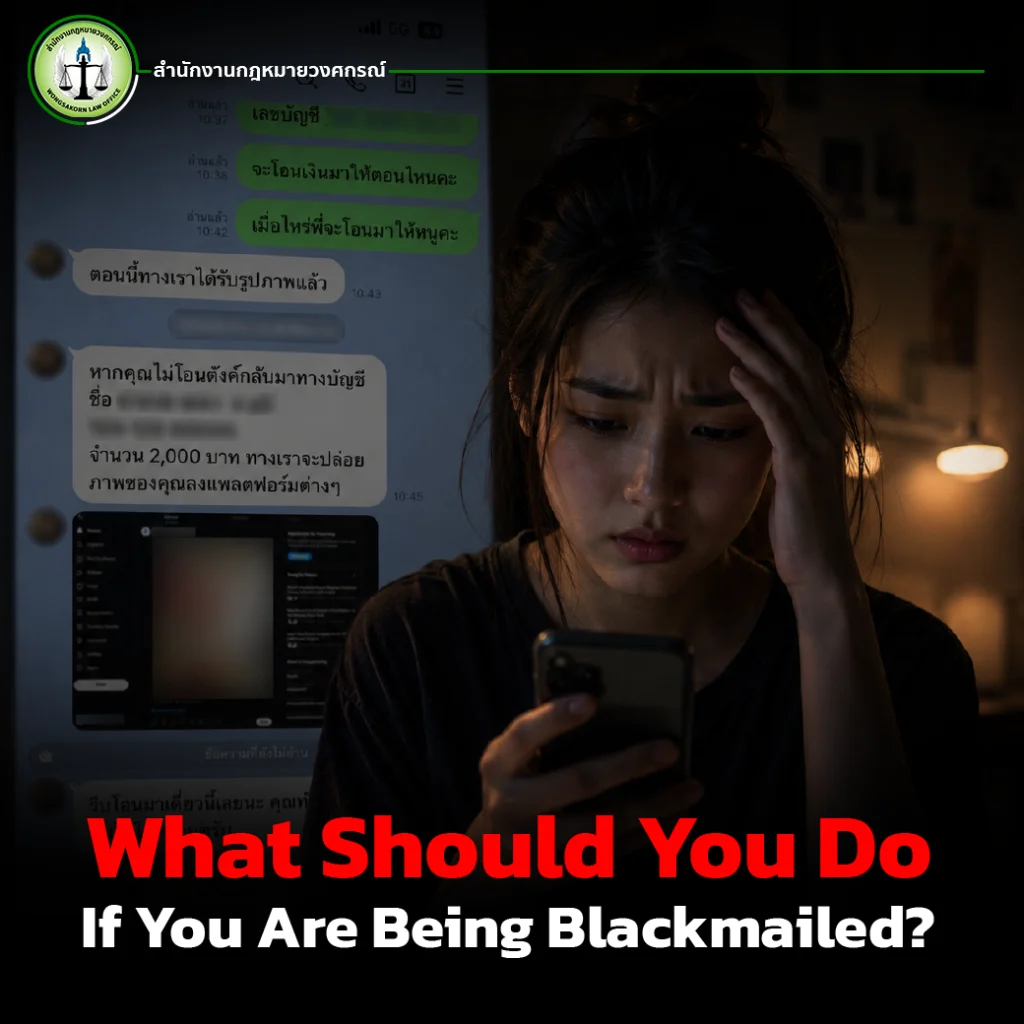
Leaked Intimate Video? Being Blackmailed by an Ex-Partner? Don’t Rush to File a Police Report Yet! Lawyer Arm Shares Real Case Experience and Explains the Crucial Steps to Take Before It’s Too Late. 

In an era where smartphones can capture every moment of our lives with a single tap, cases involving leaked intimate videos and blackmail using private photos or videos have become increasingly common. Such cases are particularly prevalent among students, university students, and working adults in romantic relationships. Many individuals trust their partners enough to allow intimate photos or videos to be taken. However, when the relationship ends, what was once a private memory can become a tool for extortion, financial blackmail, or coercion to resume the relationship.

Drawing on extensive experience handling such cases, Lawyer Arm Supasit Siri of Wongsakorn Law Firm has found that these incidents often cause devastating harm to victims, affecting not only their mental well-being but also their reputation, education, career, and family life. By sharing the following case as a cautionary example, he hopes to raise public awareness and help others avoid becoming victims of similar situations.

While in love, everything may seem ordinary. Yet once the relationship comes to an end, that is often when the real problems begin.

Lawyer Arm Supasit Siri explained that many of the cases he has handled begin in almost exactly the same way. While the couple is still in a relationship, both parties trust one another and willingly take or record intimate photos or videos, believing that such content will never become a problem.

However, once the relationship ends, some individuals turn those private images or videos into tools of blackmail, using them to threaten the other party, demand money, or coerce them into resuming the relationship. Such conduct is not only unethical but may also constitute multiple criminal offenses under the law.

What is particularly concerning is that many victims blame themselves for what happened. In reality, the person who uses, threatens to disclose, or distributes another person’s private images or videos without consent is the one who may be held legally responsible.

The Case of a 19-Year-Old: The Investigation Began with an X Account and Ultimately Led to an Arrest Warrant.
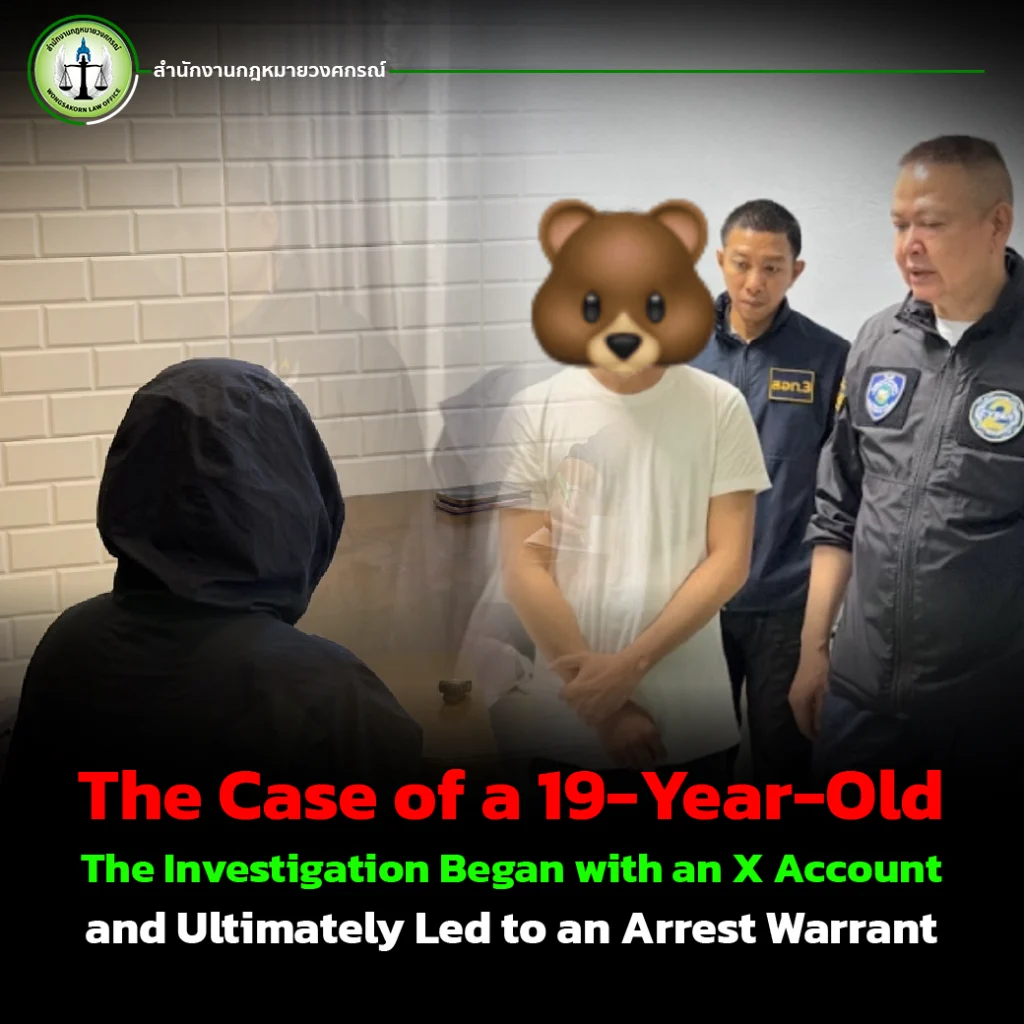
One of the cases handled by Lawyer Arm Supasit Siri involved a 19-year-old female university student whose former boyfriend unlawfully distributed her intimate video online without her consent.

The investigation began after the video was discovered on an X account (formerly Twitter). Investigators then traced the account to associated Instagram profiles and other online platforms, connecting relevant digital evidence until the individuals involved could be identified.

Following the collection of evidence and close coordination with the police, the case ultimately resulted in the issuance of an arrest warrant for the suspect. Authorities are currently continuing their investigation to locate two additional individuals believed to be connected to the case.

This case demonstrates that many people mistakenly believe they can remain anonymous when posting content online. In reality, when digital evidence is properly collected and analyzed, law enforcement authorities are often able to trace online activities and pursue legal action against those responsible.
A Leaked Intimate Video Is Not the End of Your Life.
According to Lawyer Arm Supasit Siri, his greatest concern is not merely whether legal proceedings can be pursued, but the emotional and psychological well-being of the victims.

There have been several heartbreaking cases in which young people, overwhelmed by threats from former partners to release their intimate photos or videos, experienced severe emotional distress and ultimately resorted to harming themselves.

Such tragedies should never happen.

If you are being threatened with the release of an intimate video or private images, remember this: you are not alone, and you still have legal avenues available to protect your rights.

Remaining calm, seeking legal advice from a qualified lawyer, and developing an appropriate legal strategy are far more effective than making impulsive decisions driven by fear or panic. Doing so can help safeguard your rights and prevent further harm.

Why Does Lawyer Arm Advise, “Don’t Rush to File a Police Report Yet”? 
Many people may wonder, if someone is being blackmailed, why shouldn’t they report the matter to the police immediately?

According to Lawyer Arm Supasit Siri, this advice does not mean that victims should refrain from reporting the crime. Rather, it means they should avoid taking legal action before developing an appropriate strategy.
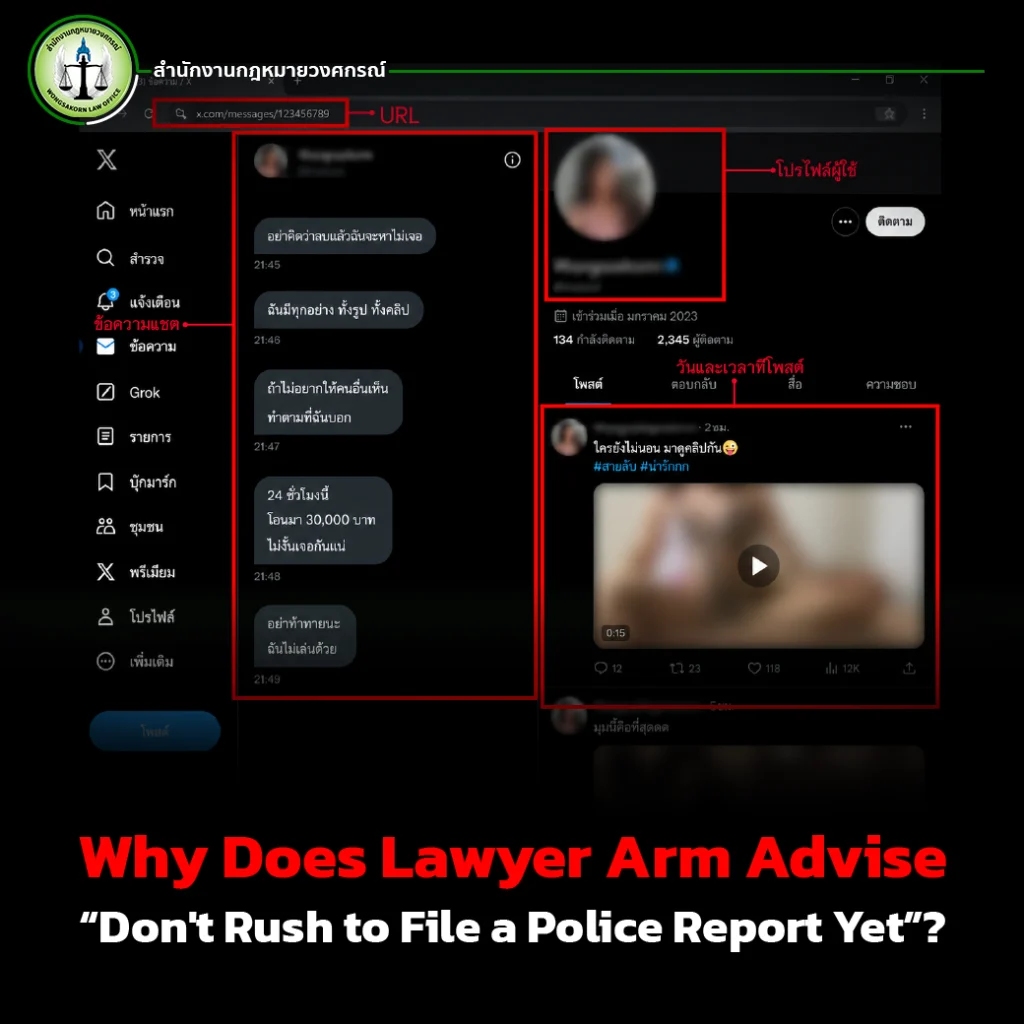
In many cases, victims report the incident immediately out of fear or panic without first preserving essential digital evidence, such as:

  • Chat conversations
  • Links to the published content
  • Website URLs
  • The date and time the content was posted
  • Proper screenshots
  • Evidence of threats or blackmail
  • Relevant user accounts or online profiles

Without adequate preparation, the perpetrator may become aware of the investigation, delete crucial evidence, or accelerate the public distribution of the intimate video, making it significantly more difficult for investigators to trace and preserve the digital evidence.

For this reason, consulting a lawyer and developing a legal strategy before filing a police report can help ensure that evidence is collected systematically and that the case is handled in a careful and effective manner.

The Cooperation of Law Enforcement Authorities Is Crucial.

In one case handled in Sakon Nakhon Province, Lawyer Arm Supasit Siri expressed his sincere appreciation to the investigating officers of the Mueang Sakon Nakhon Police Station for their professionalism and close cooperation throughout the legal process.

Effective collaboration among the victim, legal counsel, and law enforcement authorities was instrumental in identifying the suspect, securing the necessary evidence, and ultimately obtaining an arrest warrant.

Cases involving leaked intimate videos and blackmail should not be viewed as battles that victims must face alone. With proper planning and effective coordination between lawyers and the police, the legal process can be carried out far more efficiently and effectively.

A Lesson for Everyone: Never Underestimate the Importance of Digital Privacy

Above all, never underestimate the importance of protecting your personal information in the digital age. Even if two people are deeply in love today, no one can guarantee what the future may hold.

Whenever possible, avoid creating or storing intimate photos or videos that could cause harm if disclosed in the future. Once such content exists in digital form, it can be copied, shared, or distributed at any time, and the consequences may be difficult—or even impossible—to fully reverse.

What Should You Do If You Are Threatened with the Release of an Intimate Video?
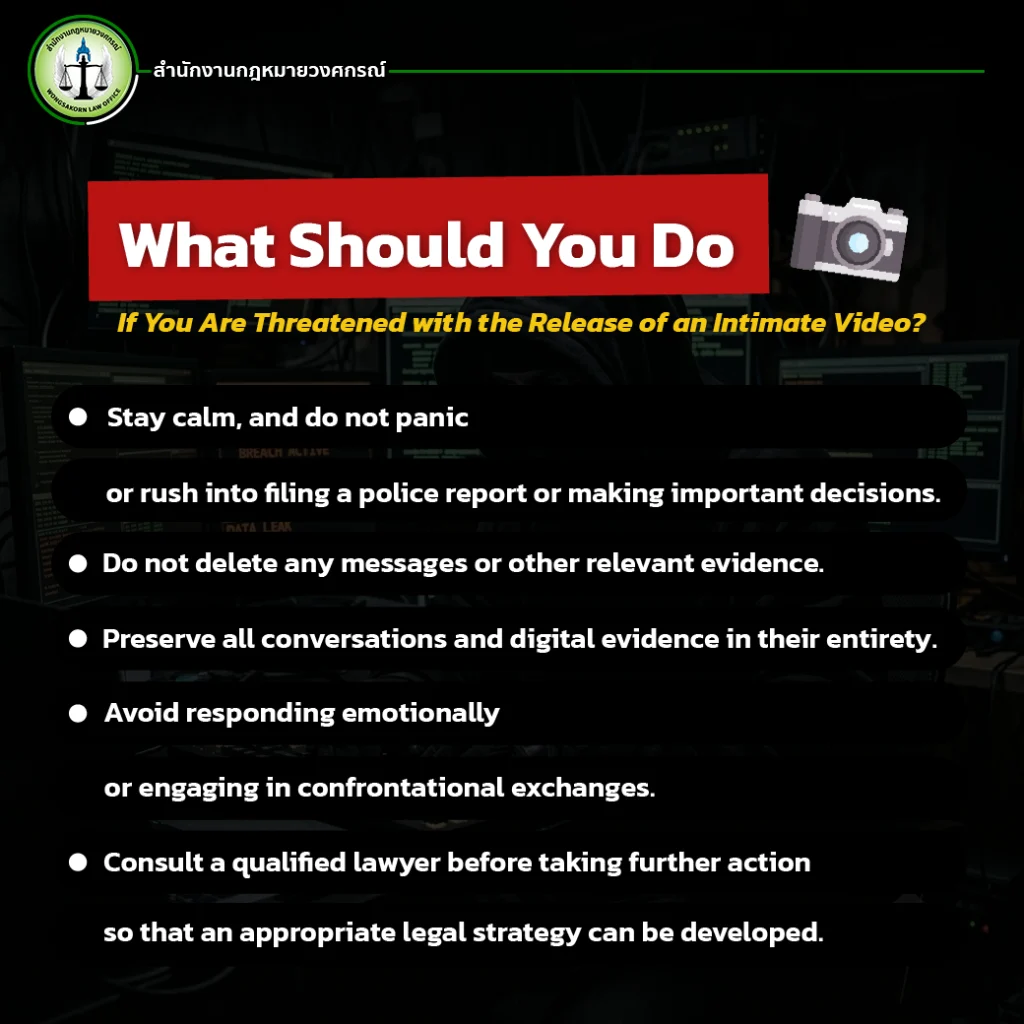
If your former partner or any other person is using your private photos or intimate videos to blackmail you, we recommend taking the following steps:

  • Stay calm, and do not panic or rush into filing a police report or making important decisions.
  • Do not delete any messages or other relevant evidence.
  • Preserve all conversations and digital evidence in their entirety.
  • Avoid responding emotionally or engaging in confrontational exchanges.
  • Consult a qualified lawyer before taking further action so that an appropriate legal strategy can be developed.

Wongsakorn Law Firm has extensive experience assisting victims in cases involving leaked intimate videos, blackmail, and other offenses related to the unauthorized online dissemination of personal information.

If you or someone close to you is facing a similar situation, you are welcome to contact Lawyer Arm Supasit Siri through our “Contact Us” page for legal advice. We will work with you to develop a carefully planned legal strategy aimed at minimizing harm and protecting your legal rights to the fullest extent possible.
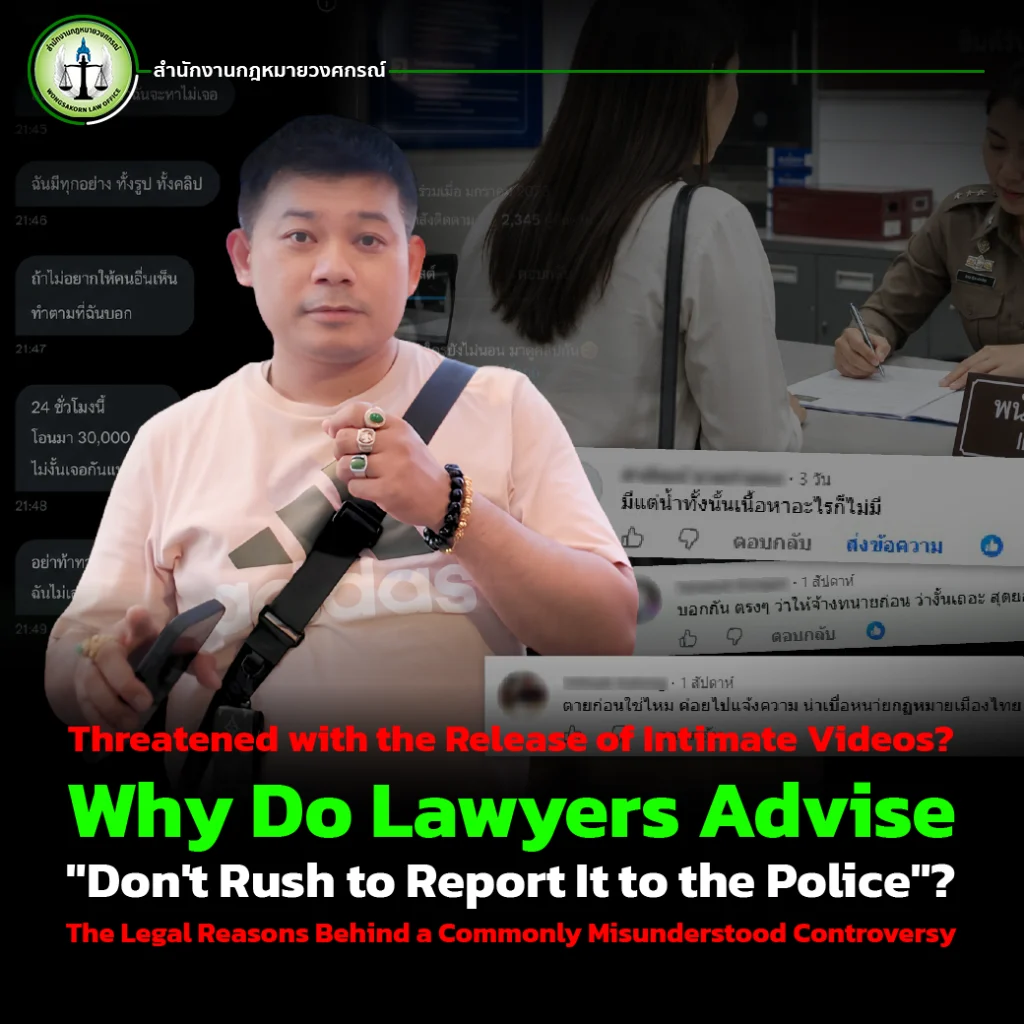
Threatened with the Release of Intimate Videos? Why Do Lawyers Advise, “Don’t Rush to Report It to the Police”? The Legal Reasons Behind a Commonly Misunderstood Controversy 

Recently, Wongsakorn Law Firm released an educational video providing legal guidance on cases in which victims are threatened with the disclosure of intimate videos or private photographs taken during a romantic relationship. In the video, Lawyer Arm Supasit Siri advised that:
“Do not rush to file a police report. Consult a lawyer first.”
However, after the video was released, it sparked widespread discussion in the comment section of Wongsakorn Law Firm’s Facebook page. While some viewers understood the message the video intended to convey, many others raised questions, including:

  • “I watched the entire video, but it did not provide any substantial information. It simply advised viewers not to rush to file a police report without explaining the reason.” 
  • What message is this video actually trying to convey?” 
  • “If victims are not supposed to file a police report immediately, what should they do instead? Why wasn’t this explained?” 

These comments indicate that many people may have interpreted the advice, “Do not rush to file a police report,” differently from its intended meaning.
In this article, Lawyer Arm Supasit provides a clear explanation of why lawyers make such a recommendation and why careful legal planning before initiating legal proceedings is essential, particularly in cases involving the disclosure of intimate videos and online threats.

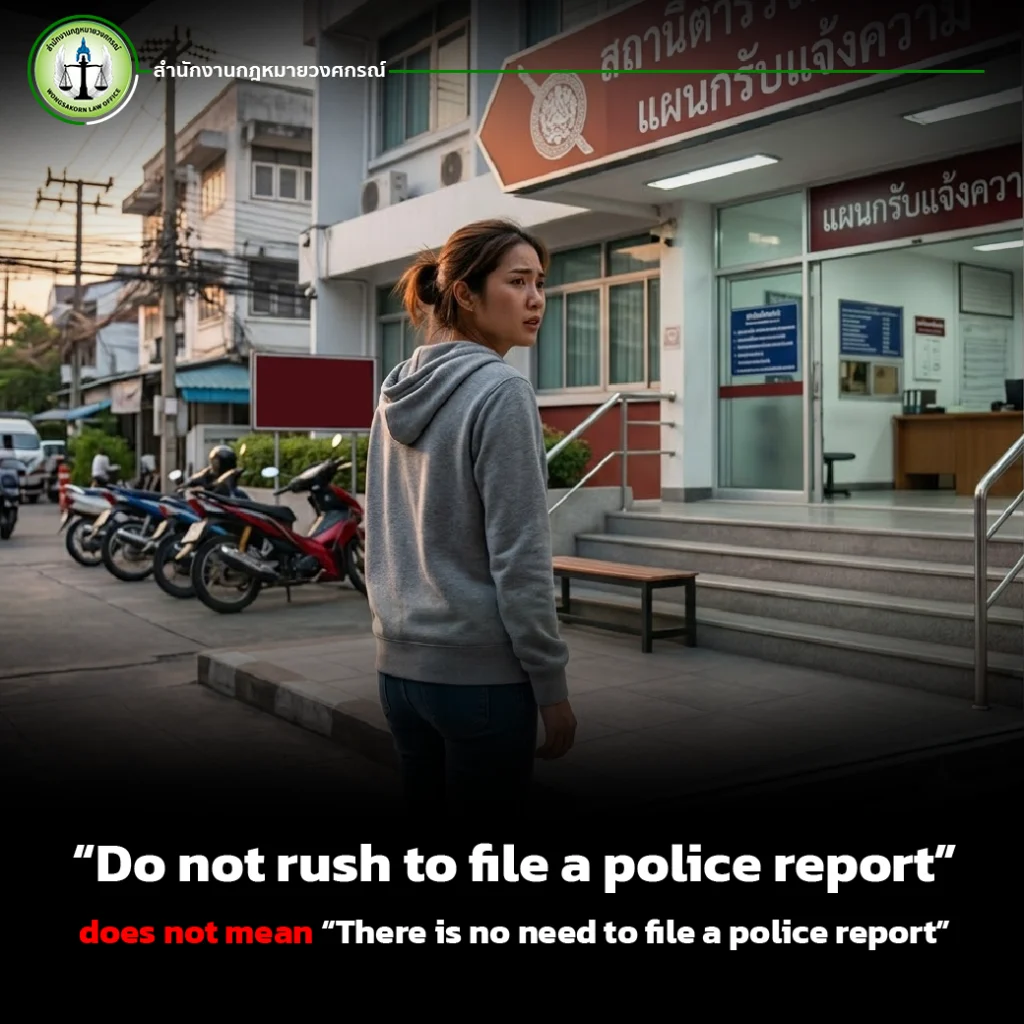
‘Do not rush to file a police report’ does not mean ‘There is no need to file a police report.’

A key misunderstanding stems from interpreting only part of the statement.
What Lawyer Arm intended to communicate is as follows:
Instead, it means that:

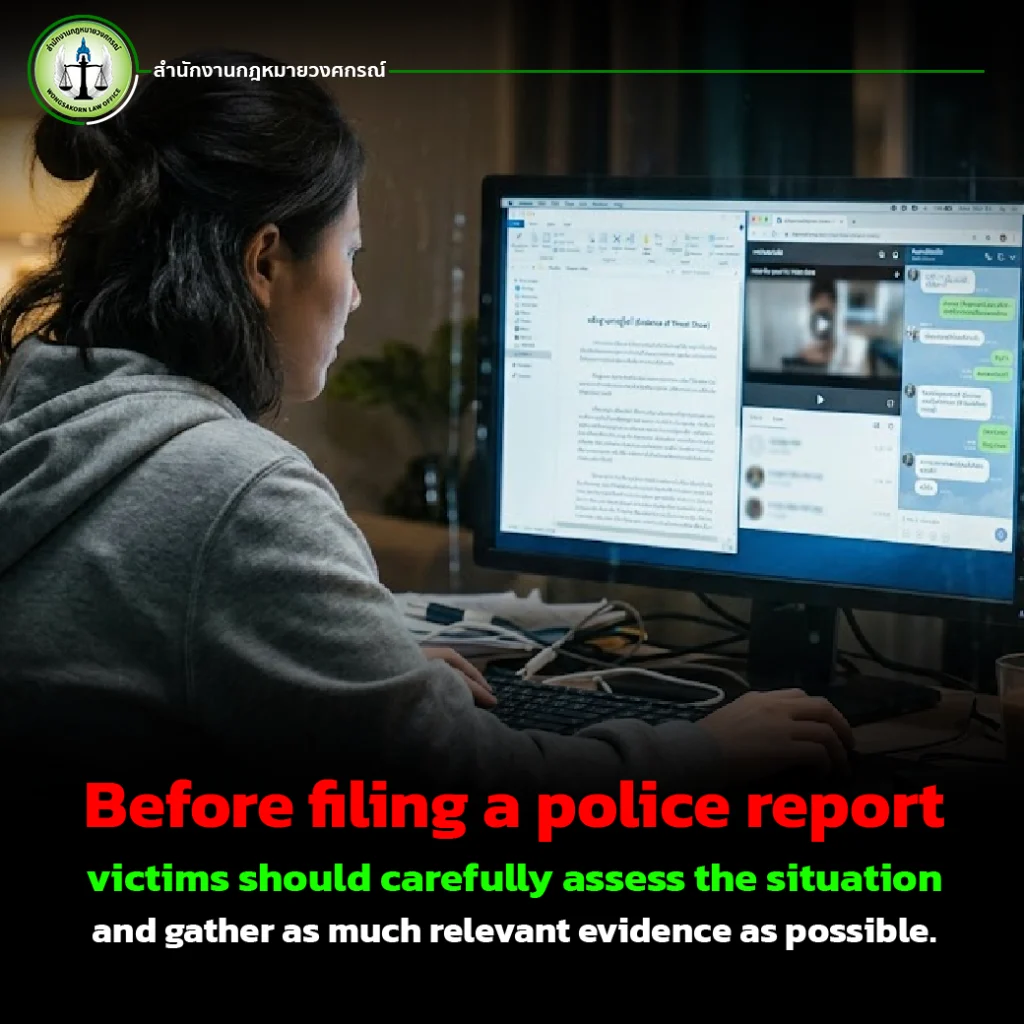
Before filing a police report, victims should carefully assess the situation and gather as much relevant evidence as possible. 

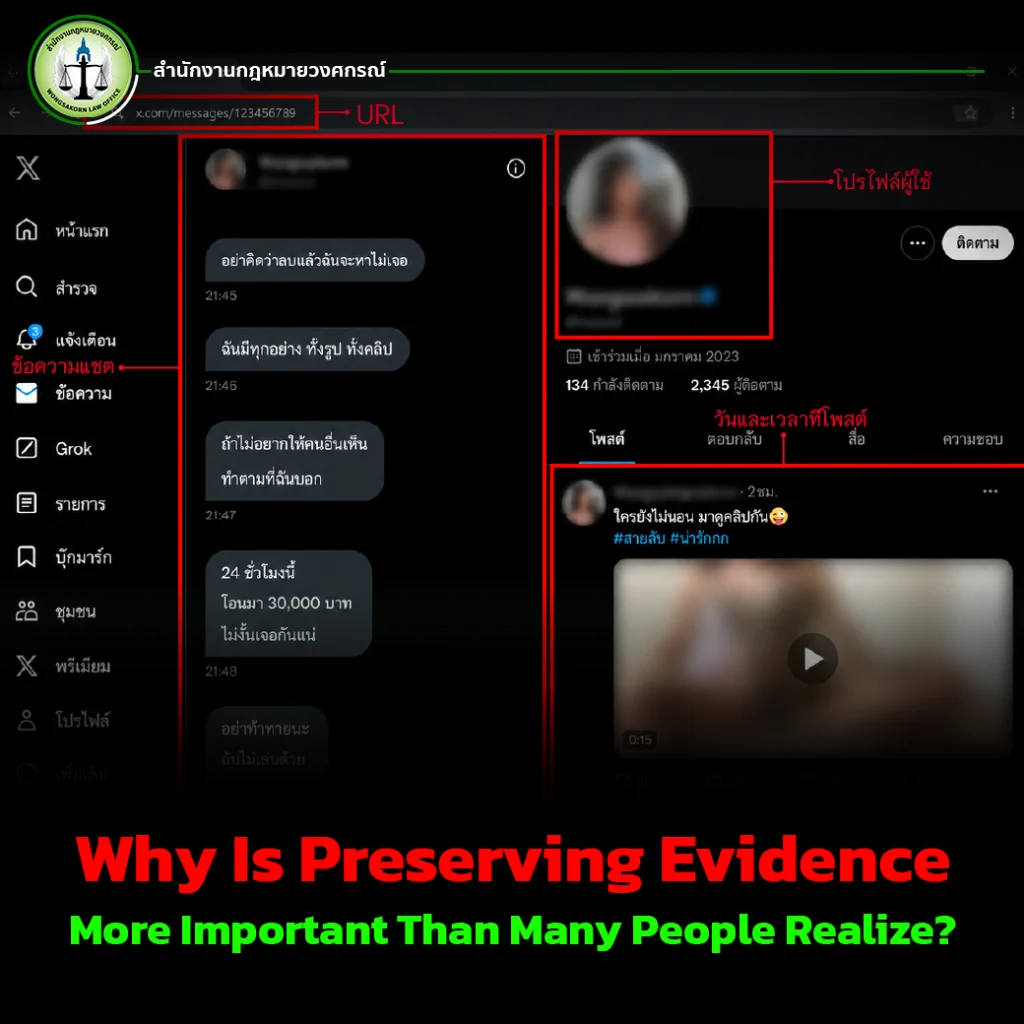
This is because, in cases involving the disclosure of intimate videos or blackmail, much of the key evidence exists in digital form, such as:

  • Chat messages
  • URLs
  • User profiles
  • Social media accounts
  • Dates and times of posts
  • Money transfer records
  • Screenshots
  • Data stored in cloud services or electronic devices

Some of this digital evidence may be deleted, altered, or become unavailable within a very short period of time.

Why Is Preserving Evidence More Important Than Many People Realize?

In cases involving the disclosure of intimate videos, many victims react with shock and immediately take action as soon as they discover that their videos have been shared.

However, in many cases, acting too quickly before properly preserving the available evidence may result in the loss of critical information, such as:

  • The uploader deleting the video;
  • The user account being deactivated or removed;
  • Messages being deleted;
  • Links becoming inaccessible;
  • Digital evidence being lost.

Once such information is lost, it may become significantly more difficult to establish the facts of the case at a later stage.

For this reason, lawyers often advise victims to first assess the situation and preserve evidence in a systematic manner before taking legal action. The appropriate course of action, however, will always depend on the specific facts and circumstances of each case.

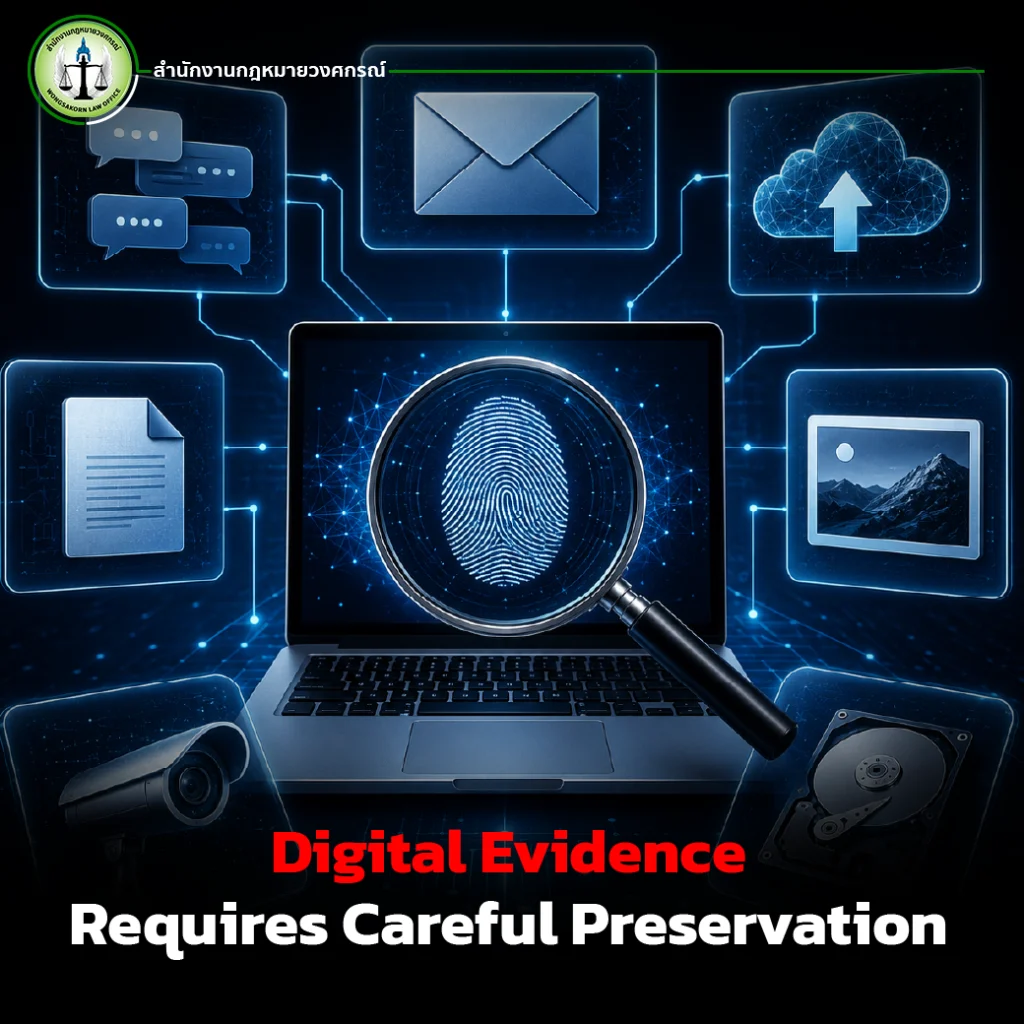
Digital Evidence Requires Careful Preservation

Lawyer Arm Supasit explained that preserving electronic evidence involves much more than simply taking screenshots. It should be carried out carefully to ensure that details which may be crucial to establishing the facts of the case are properly preserved.

In certain types of cases, collecting and preserving evidence thoroughly from the outset can help improve the effectiveness of legal proceedings while reducing the risk of losing critical information.
The Controversy Also Highlights Communication Challenges in the Online Environment

Another noteworthy point is that many comments suggest some viewers may have formed conclusions after watching only part of the video rather than considering its full context.

In the online environment, information is often consumed very quickly, making misunderstandings more likely—particularly when legal issues are involved, as they require context and careful explanation.

Taking the time to read or watch the complete content before expressing an opinion can help reduce misunderstandings and encourage more constructive and informed public discussion.
Does Consulting a Lawyer Require Payment?

Another common question raised by the public is:

“Is there a fee for consulting a lawyer?”

The answer is that the service models and fee structures vary from one law firm to another.

However, obtaining legal advice at an early stage can help victims better understand their legal rights, plan an appropriate legal strategy, and reduce the risk of further harm or complications later on.

In cases involving the disclosure of intimate videos or threats made to extort money, the consequences often extend far beyond reputational damage. Such incidents may also affect a victim’s education, employment, personal relationships, and psychological well-being.

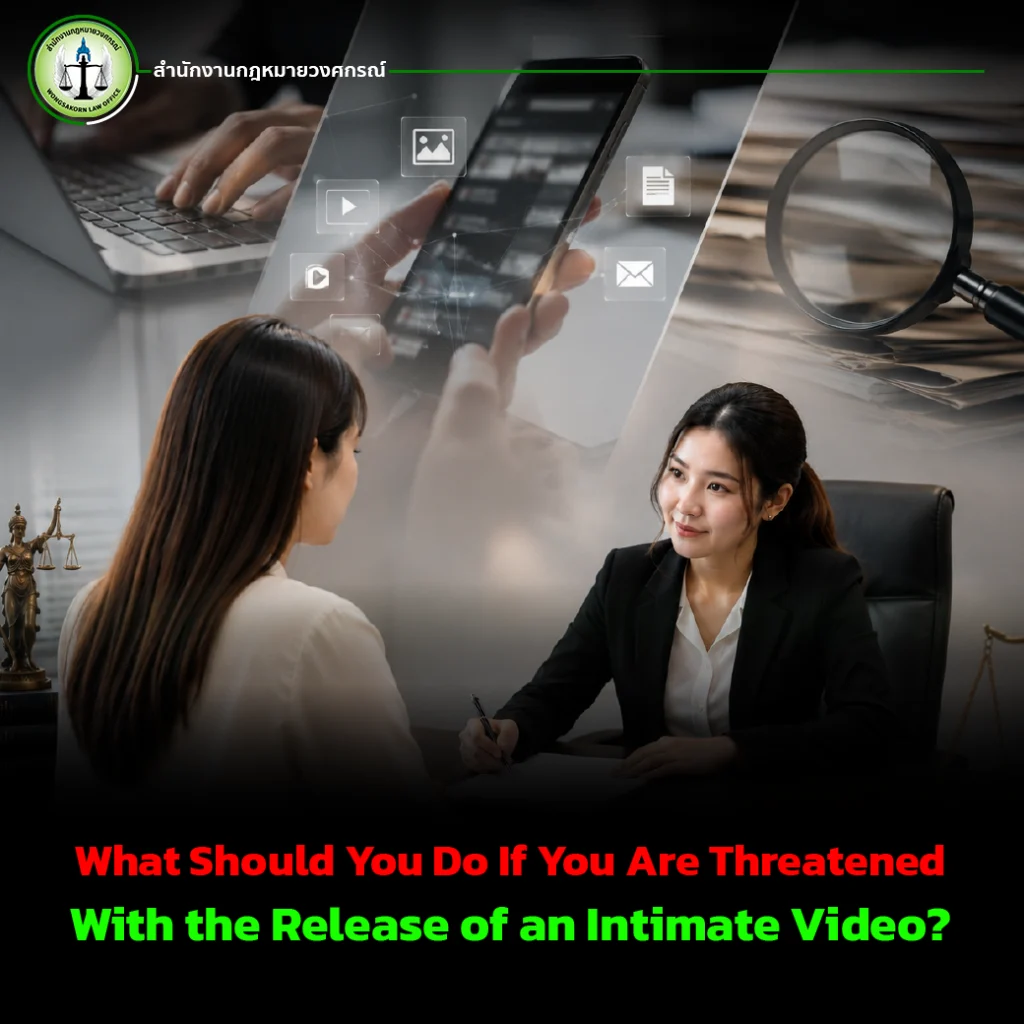
What Should You Do If You Are Threatened With the Release of an Intimate Video?

If you find yourself in such a situation, the following steps are recommended:

  • Stay calm and avoid responding emotionally.
  • Preserve all relevant evidence, including chat messages, screenshots, URLs, and the other party’s contact information.
  • Avoid deleting messages or any other important evidence.
  • Consult a legal professional to assess the most appropriate legal course of action.
  • File a police report or exercise your legal rights when sufficient information and evidence have been gathered, taking into account the specific circumstances of the case.

The controversy that arose following the release of Wongsakorn Law Firm’s video highlights the importance of providing clear and comprehensive explanations when communicating legal issues, so as to minimize misunderstandings and prevent misinterpretation by the public.
The phrase “Do not rush to file a police report” does not mean that victims should refrain from exercising their legal rights. Rather, it emphasizes the importance of preparing carefully, preserving relevant evidence, and planning an appropriate legal strategy before initiating legal proceedings. The most suitable course of action will depend on the specific facts and circumstances of each individual case.
If you or someone close to you is facing the unauthorized disclosure of intimate videos, blackmail, or online harassment, you may seek legal advice from Wongsakorn Law Firm. Our legal team can assess the facts of your case, advise on the proper preservation of evidence, and recommend an appropriate legal strategy before the damage escalates further. Consult a Lawyer >> Contact Us<<

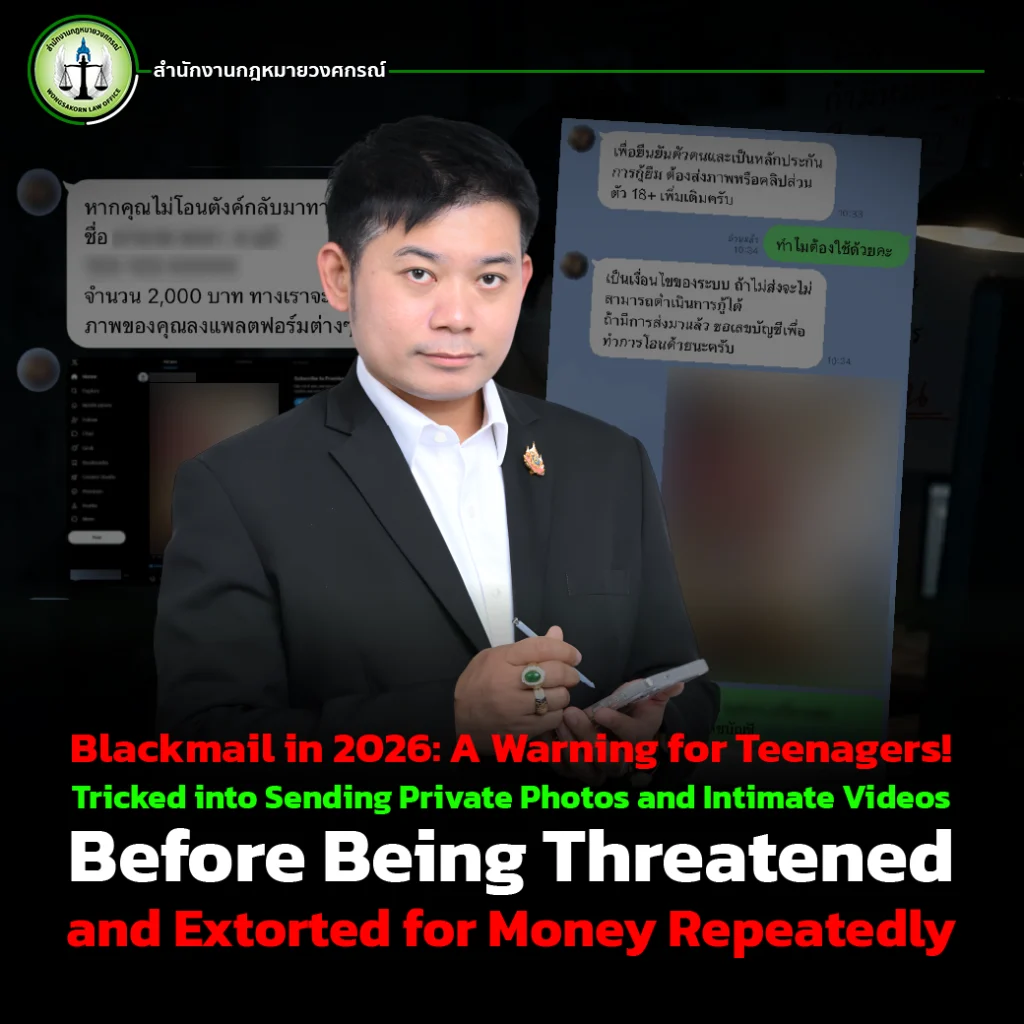
Blackmail in 2026: A Warning for Teenagers! Tricked into Sending Private Photos and Intimate Videos Before Being Threatened and Extorted for Money Repeatedly 

In 2026, blackmail conducted through online channels remains a serious threat that continues to cause significant harm to many people. Teenagers and youths, in particular, have increasingly become targets of new and evolving schemes used by criminals.

Based on the legal consultation experience of Wongsakorn Law Firm, a considerable number of victims have been deceived through social media platforms. Offenders often begin by establishing credibility, building familiarity, and engaging in conversations until trust is formed. They then offer rewards or various incentives to persuade victims to send private photos or personal videos.

Once the offenders obtain the desired content, the promised rewards are never delivered. Instead, the photos or videos are used as tools to threaten and extort money from the victims. As a result, many victims suffer substantial financial losses, while some experience severe psychological distress.

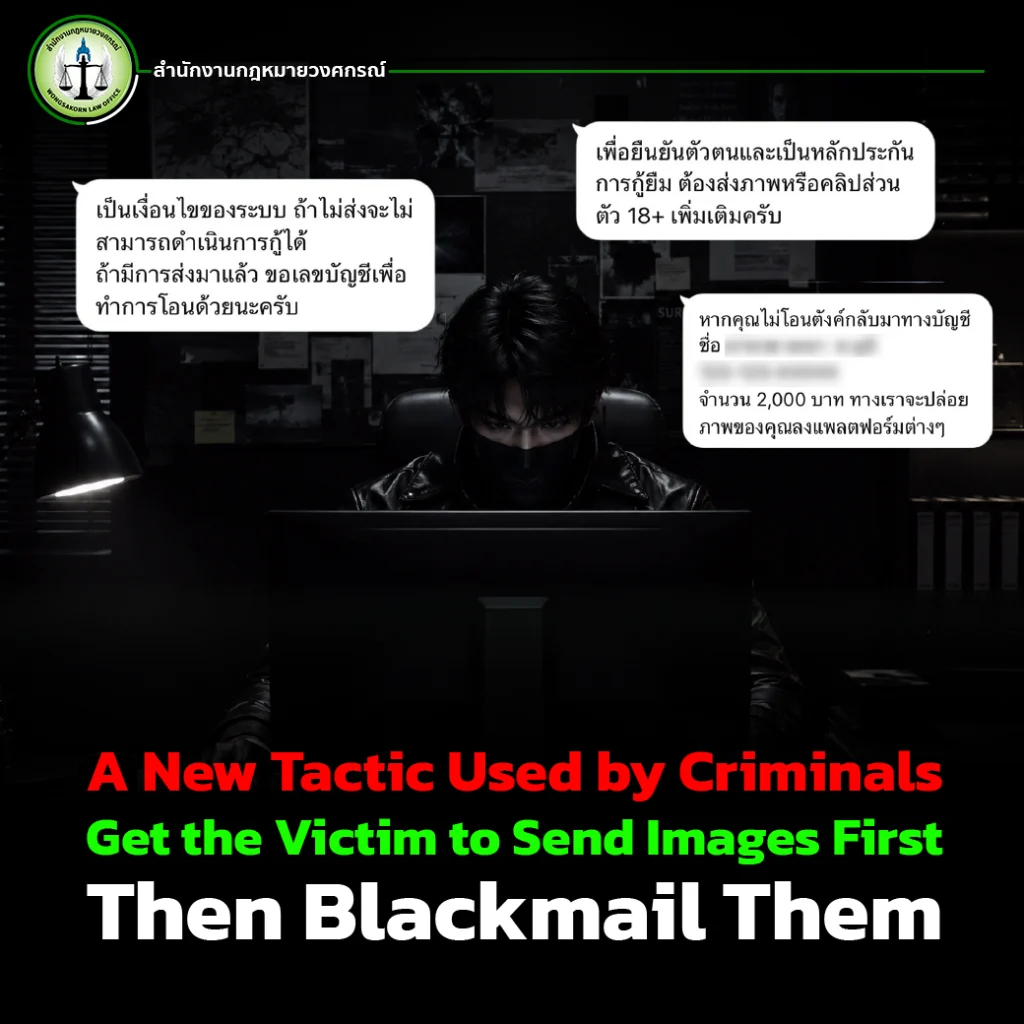
A New Tactic Used by Criminals: Get the Victim to Send Images First, Then Blackmail Them

Today, criminals rarely begin with direct threats. Instead, they create incentives that encourage victims to voluntarily send photos or videos of themselves.

Common examples include:

  • Claiming they will transfer money to the victim
  • Promising special compensation or rewards
  • Offering a brand-new smartphone for free
  • Promising expensive gifts
  • Offering financial assistance
  • Claiming they can provide employment opportunities or make the victim a brand ambassador

Once the victim is persuaded to send private photos or videos, the offender’s behavior changes immediately. The offender then begins threatening to distribute the content to the victim’s family members, friends, school, or the public unless the victim transfers the amount of money being demanded.

This is one of the most common forms of blackmail increasingly seen today.

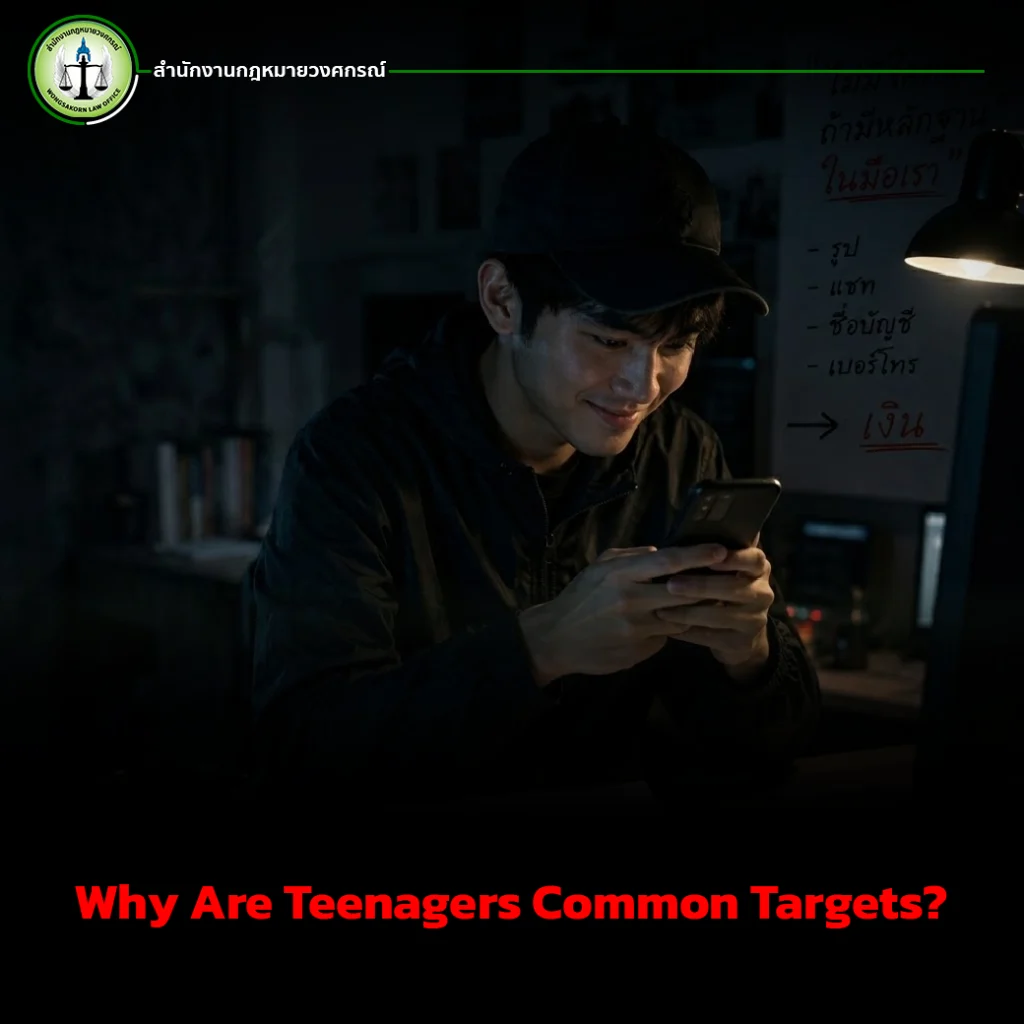
Why Are Teenagers Common Targets?

Teenagers and young people are among the most active users of online platforms and are generally more likely to communicate with strangers through various social media channels.

In addition, offenders often use psychological manipulation to gain trust, such as:

  • Pretending to be someone of a similar age
  • Using trustworthy-looking profile photos
  • Spending a long period building rapport before initiating the scam
  • Creating relationships that resemble friendship or romance
  • Offering benefits or rewards that appear attractive

Once the victim’s trust has been gained, the offender begins requesting private photos or videos, using various reasons to persuade the victim to voluntarily provide the content.

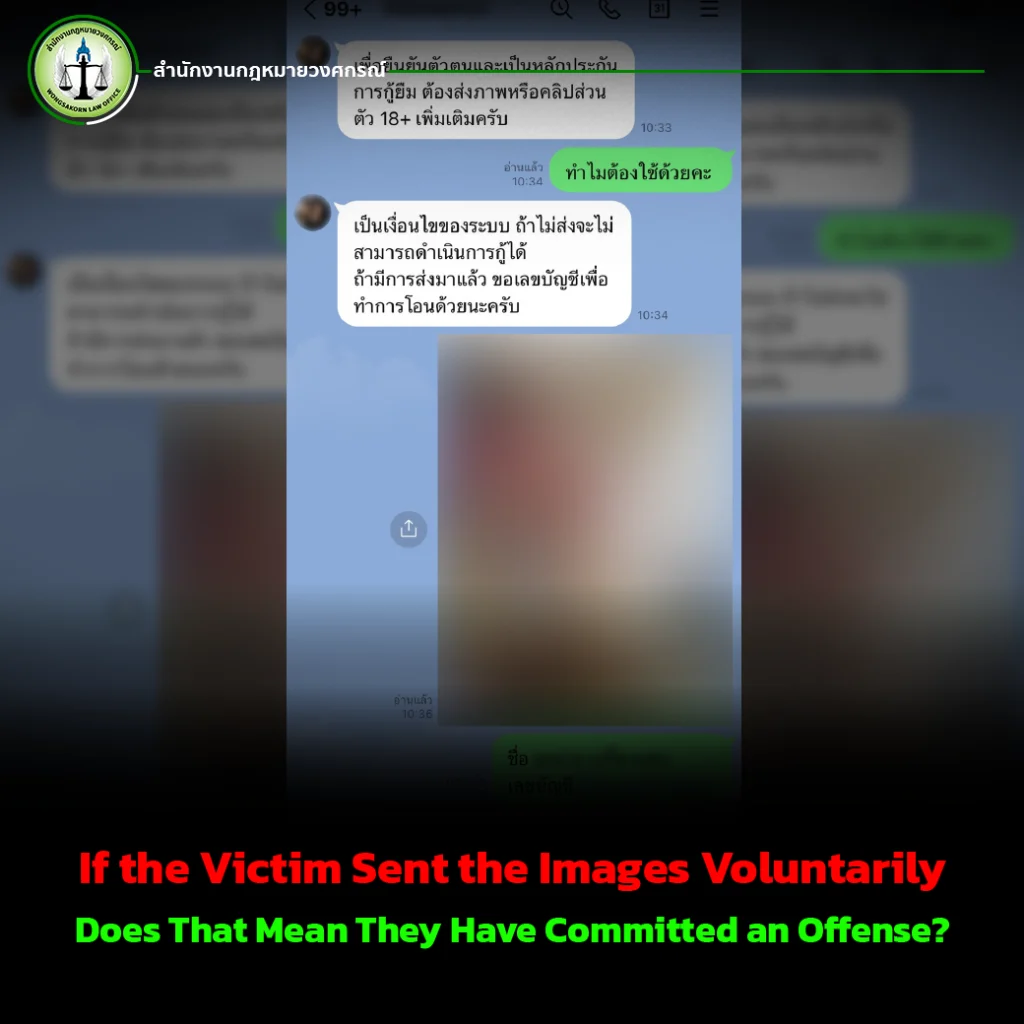
If the Victim Sent the Images Voluntarily, Does That Mean They Have Committed an Offense?

This is one of the most common concerns among victims.

Many people are afraid to seek help because they believe that, since they voluntarily sent the photos or videos, they may not be entitled to legal protection.

In reality, the fact that a victim previously shared personal photos or information does not give another person the right to use that content as a tool for intimidation or financial gain.

If photos or videos are used to coerce, threaten, or demand money from a victim, such conduct may constitute a criminal offense under Thai law.

Therefore, individuals who are threatened or extorted for money using private photos or videos are considered victims, not perpetrators, in cases of blackmail.

Is It True That the More You Pay, the More They Demand?

Based on experience with cases of this nature, the answer is: “Yes, it happens frequently.”

Many victims believe that making the first payment will bring the problem to an end. In reality, however, offenders often keep the photos and videos and continue using them as tools of intimidation.

Once the offender realizes that the victim is willing to pay, additional demands often follow, such as:

  • Requesting more money
  • Demanding repeated transfers
  • Asking for other assets or valuables
  • Threatening the victim into complying with further demands

As a result, some victims lose substantial amounts of money while the problem never truly ends.

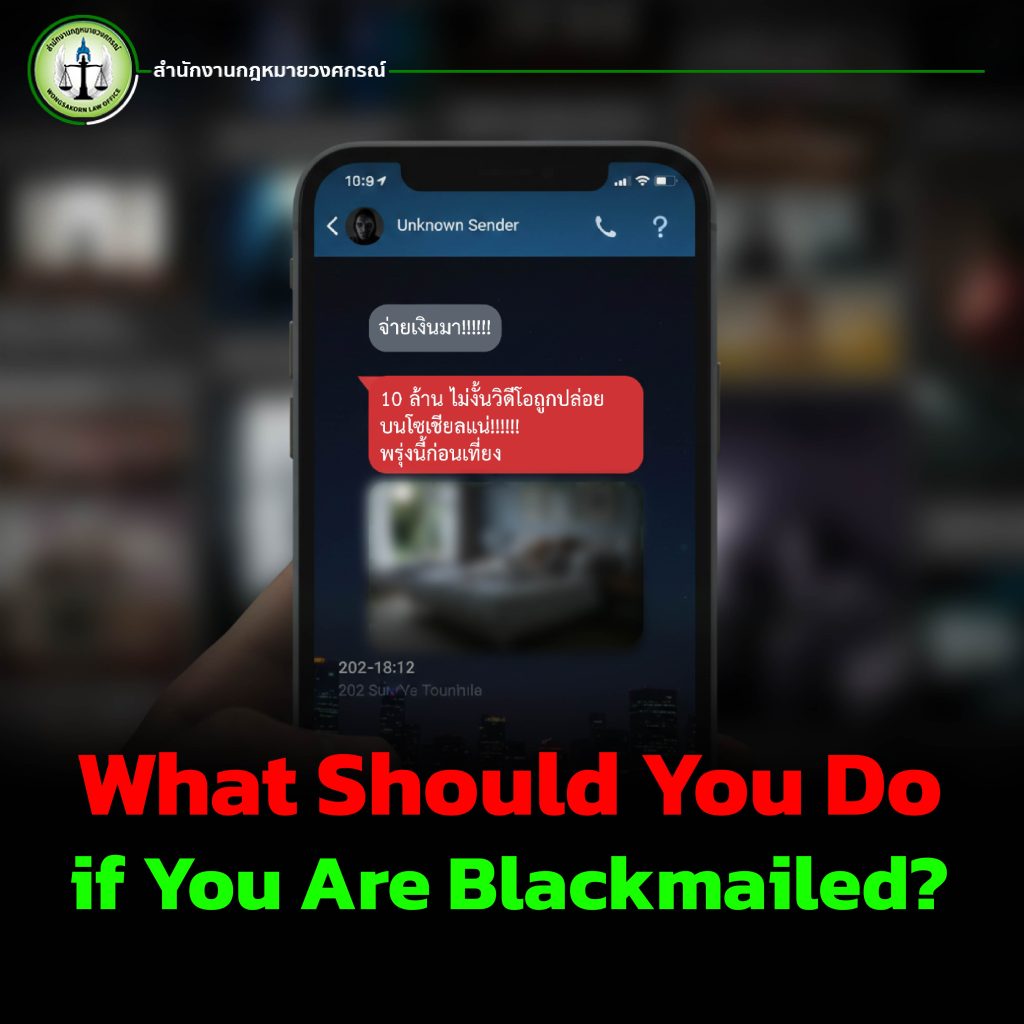
What Should You Do If You Are Being Blackmailed?

The most important thing is not to panic and delete the evidence.

Victims should preserve all relevant information, including:

  • Chat messages and conversation records
  • Screenshots of threats or extortion attempts
  • Proof of money transfers
  • Bank account details used by the offender
  • The offender’s social media accounts
  • Dates and times of all communications

This evidence can play a crucial role in any legal proceedings.

In addition, victims should seek legal advice as soon as possible in order to develop an appropriate strategy, prevent further damage, and take the necessary legal steps.

Do Not Let Fear Cause Greater Harm

What criminals want most is the victim’s fear.

When victims are afraid that their information will be exposed, afraid that their family will find out, or afraid of public embarrassment, offenders use that fear as a tool to continue demanding money.

In many cases, victims who consult a lawyer at an early stage are able to develop an effective response strategy, preserve evidence properly, and pursue legal remedies more effectively than those who attempt to handle the situation alone.

If you or someone close to you is being blackmailed, threatened with the release of private photos or personal videos, or being forced to pay money because of information previously shared with another person, do not let fear prevent you from protecting your legal rights.

Wongsakorn Law Firm is ready to provide legal consultation regarding blackmail cases, extortion cases, and online-related offenses. Our goal is to help victims develop an appropriate legal strategy, minimize potential damage, and protect their rights in accordance with the law.

Remember:

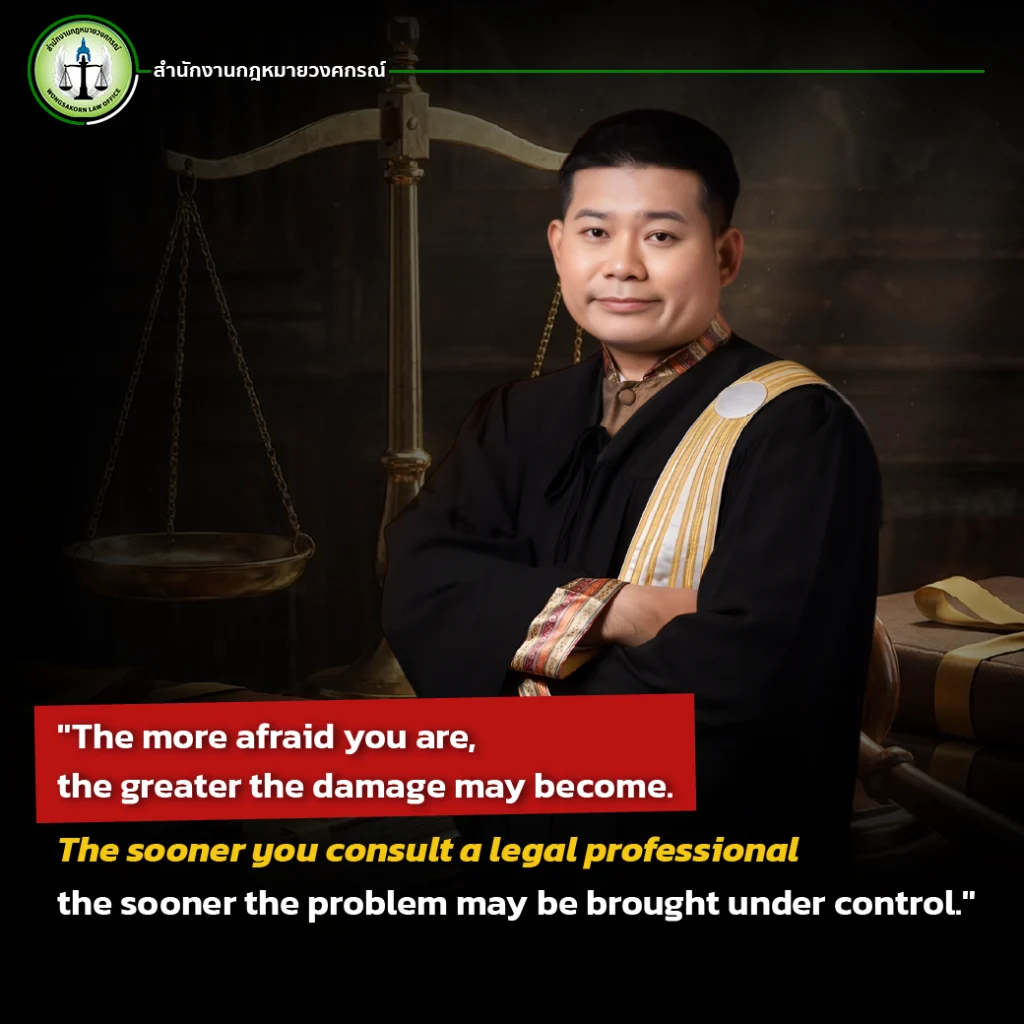
“The more afraid you are, the greater the damage may become. The sooner you consult a legal professional, the sooner the problem may be brought under control.”

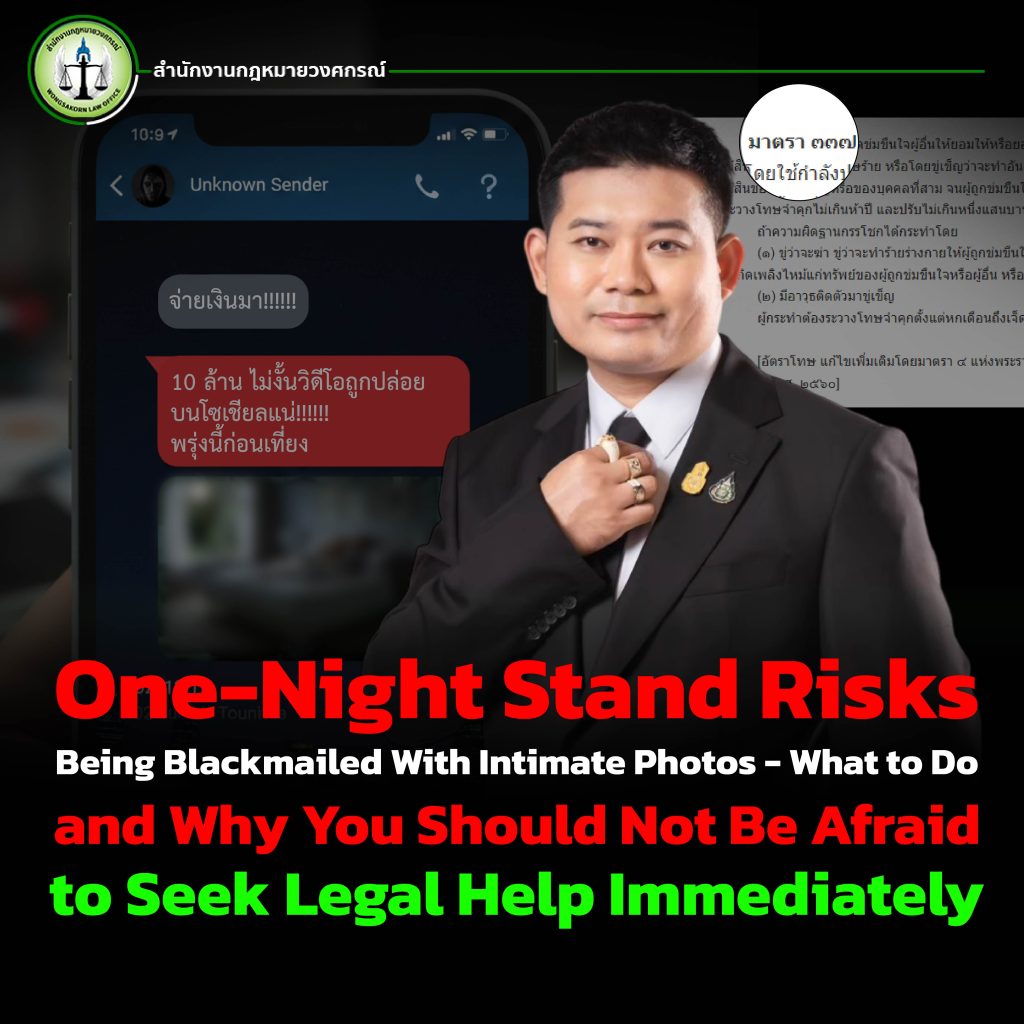
One-Night Stand Risks: Being Blackmailed With Intimate Photos – What to Do and Why You Should Not Be Afraid to Seek Legal Help Immediately

In today’s open and modern society, many people choose to engage in one-night stands or short-lived intimate encounters. While this is increasingly common in the digital era, such relationships often come with significant personal security risks, especially when private images, intimate photos, or videos are shared. These materials can later become tools for blackmail.

There are growing numbers of cases where individuals, after a one-night encounter, are threatened by the other party who uses intimate pictures to demand money, force unwanted meetings, or manipulate the victim into doing things they do not want. This is not a “private matter” , it is a serious crime under Thai law.

This article explains what intimate-image blackmail is, why it is illegal, why people engaging in one-night stands should be cautious, and most importantly, why you must not stay silent or fearful. Instead, you should urgently consult a lawyer from Wongsakorn Law Office to protect your rights and claim damages lawfully.

What Is Intimate-Image Blackmail and Why Is It Illegal?

Blackmail occurs when someone threatens you to hand over money or comply with demands by using something against you, such as:

  • Intimate photos
  • Videos of sexual activity
  • Personal private images
  • Chat logs
  • Sensitive personal information

For one-night stand situations, these materials often arise from consensual sharing during a short encounter but can be weaponized later.

Such actions violate multiple Thai criminal laws, including:

  • Extortion (Section 337 of the Criminal Code)
  • Coercion (Section 309)
  • Computer Crimes Act violations when digital distribution is involved
  • Defamation by publication if intimate images are shared publicly

Even threatening to release such material is already a crime; actual publication is not required.

Victims can file a police report and pursue legal action immediately.

Why Are One-Night Stand Encounters High-Risk?

This type of relationship often involves speed, temporary trust, and limited knowledge of the other person. Common vulnerabilities include:

  • You do not know their background
  • You do not know their true intentions
  • You may not know if they recorded videos or took photos
  • You cannot control what they do with shared files afterward

Some people secretly record intimate moments and use them to blackmail once the relationship ends.

Victims often comply due to fear, shame, or reputation concerns, which only encourages continued blackmail.

What Should You Do if You Are Blackmailed?

Do not panic, do not comply, and do not negotiate with the perpetrator.

Follow these essential steps:

1. Preserve all evidence

Such as:

  • Threatening messages
  • Photos/videos sent by the blackmailer
  • Phone numbers
  • Social media accounts
  • Bank transfer records (if any)

2. Do NOT send money or follow any demands

Complying makes you a long-term target.

3. Do NOT threaten back

You could be counter-accused.

4. Consult a lawyer immediately

Blackmail cases require legal experience and strategic documentation. A lawyer will evaluate your case, prepare evidence, send legal notices if necessary, file police reports properly, and initiate both civil and criminal actions for damages.

Why You Should Not Stay Silent or Afraid

Many victims stay silent due to shame or guilt.
But remember:

  • You did nothing wrong
  • The perpetrator is committing a crime
  • You are protected by law
  • You are entitled to claim financial damages

Why Choose Wongsakorn Law Office?

Professional Strategy for Blackmail Cases — Wongsakorn Law Office

We use a clear, systematic method to protect victims:

1. Strategic Case Analysis
Thoroughly assessing the situation and building a case plan.

2. Detailed Evidence Review
Ensuring all evidence supports a strong legal claim.

3. Issuing Cease-and-Desist Letters
To stop threats immediately when necessary.

4. Pursuing Both Criminal & Civil Action
Ending the conduct and maximizing compensation.

5. 100% Confidentiality
Ensuring client privacy due to the sensitive nature of cases.

6. Protecting Your Reputation
Preventing leaks and stopping further harm.

Do Not Let Anyone Control You With Intimate Images

Having a one-night stand is not a crime.
Blackmailing you with intimate images is.

If this happens:

  • You can stop the perpetrator
  • You can file charges
  • You can claim damages

Do not let fear turn you into a silent victim.
Let Wongsakorn Law Office stand with you.
Consult our lawyers today. >>Contact Us<<

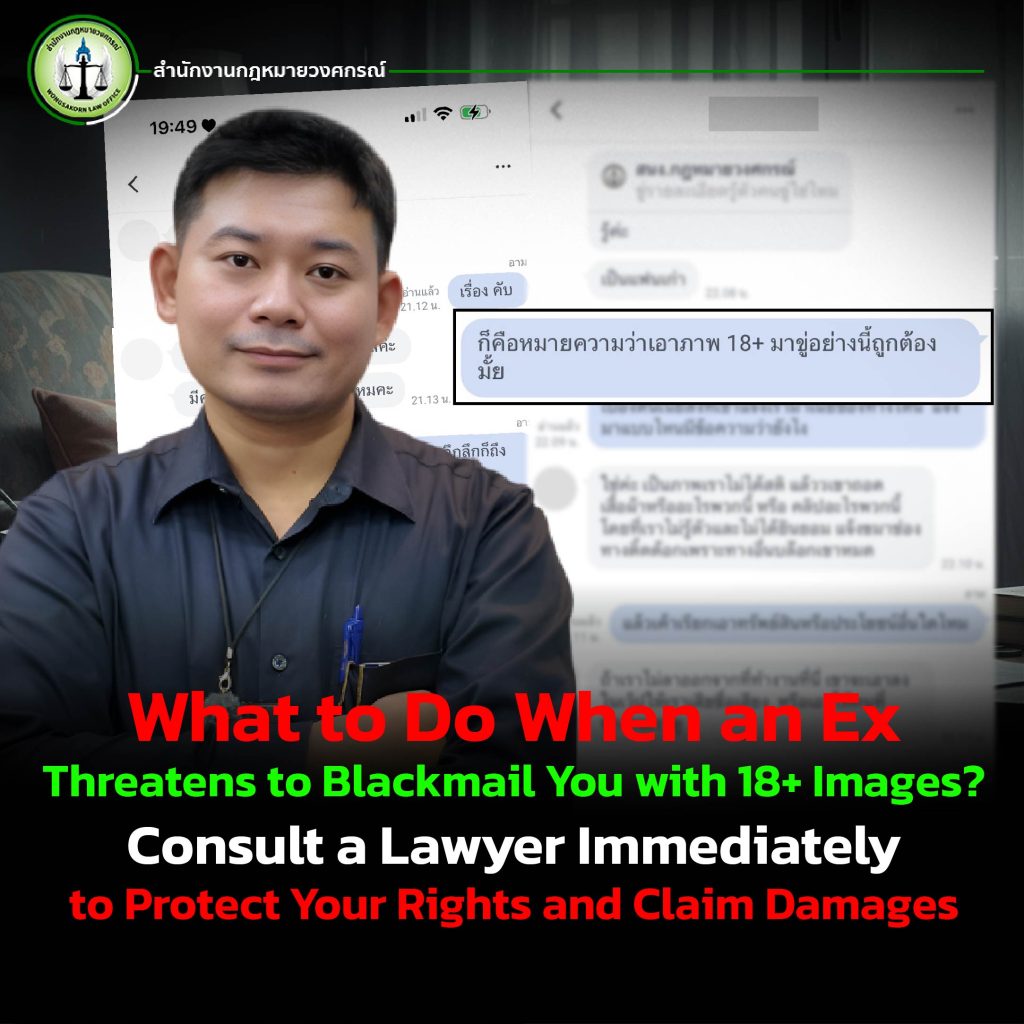
What to Do When an Ex Threatens to Blackmail You with 18+ Images? Consult a Lawyer Immediately to Protect Your Rights and Claim Damages

In today’s digital era, personal data stored on phones and social media can be easily misused. Private images or intimate videos may become tools for wrongdoing, especially when an ex-partner uses such 18+ content to blackmail you demanding money, threatening to expose you, or forcing you to reconcile. This is not a minor issue; it is a serious criminal offense under multiple Thai laws and must be dealt with urgently.

This article explains what you should do if your ex threatens to blackmail you, what legal rights you have, and why you should immediately consult a lawyer from Wongsakorn Law Office to protect yourself and take swift legal action.

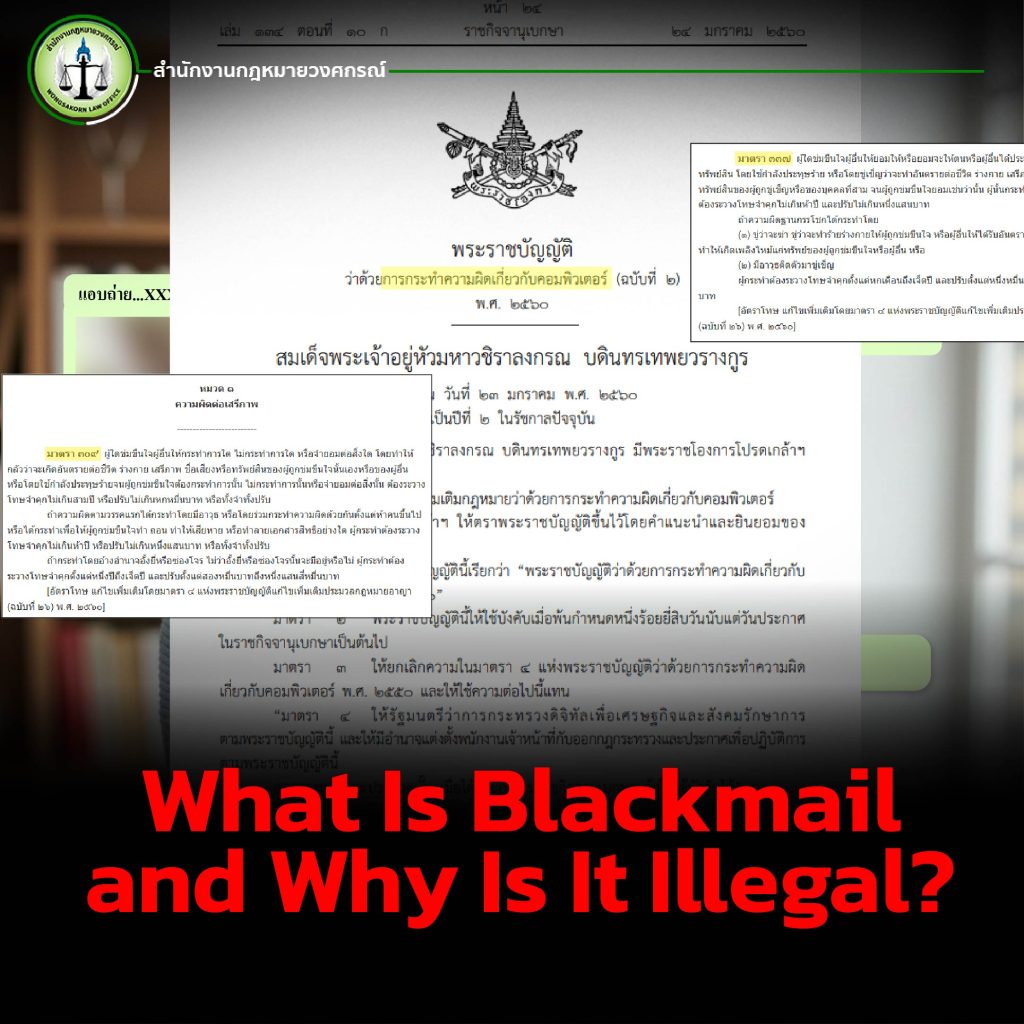
What Is Blackmail and Why Is It Illegal?

Blackmail refers to threatening or coercing someone to give money or comply with demands by using private images, videos, or sensitive information as leverage. The threat usually involves exposing 18+ images or secrets if the victim refuses to comply.

Using intimate materials for blackmail violates multiple laws, such as:

  • Extortion, Criminal Code Section 337
  • Coercion, Criminal Code Section 309
  • Computer Crimes Act, if images are sent, stored, or distributed online
  • Defamation by Publication, if the intent is to damage reputation

Therefore, any ex-partner threatening to release your private content or shame you is committing a criminal offense, and you can file a complaint immediately.

Common Real-Life Blackmail Scenarios

Frequently encountered cases include:

  • An ex keeps intimate images and threatens to release them unless you reconcile
  • Demanding money with threats to send images to your family or workplace
  • Using private images to force you to obey their demands
  • Sending partial images to intimidate you
  • Creating fake accounts to distribute your intimate materials

These situations cause fear, pressure, and severe psychological harm. The law protects you even if the images have not been released yet.

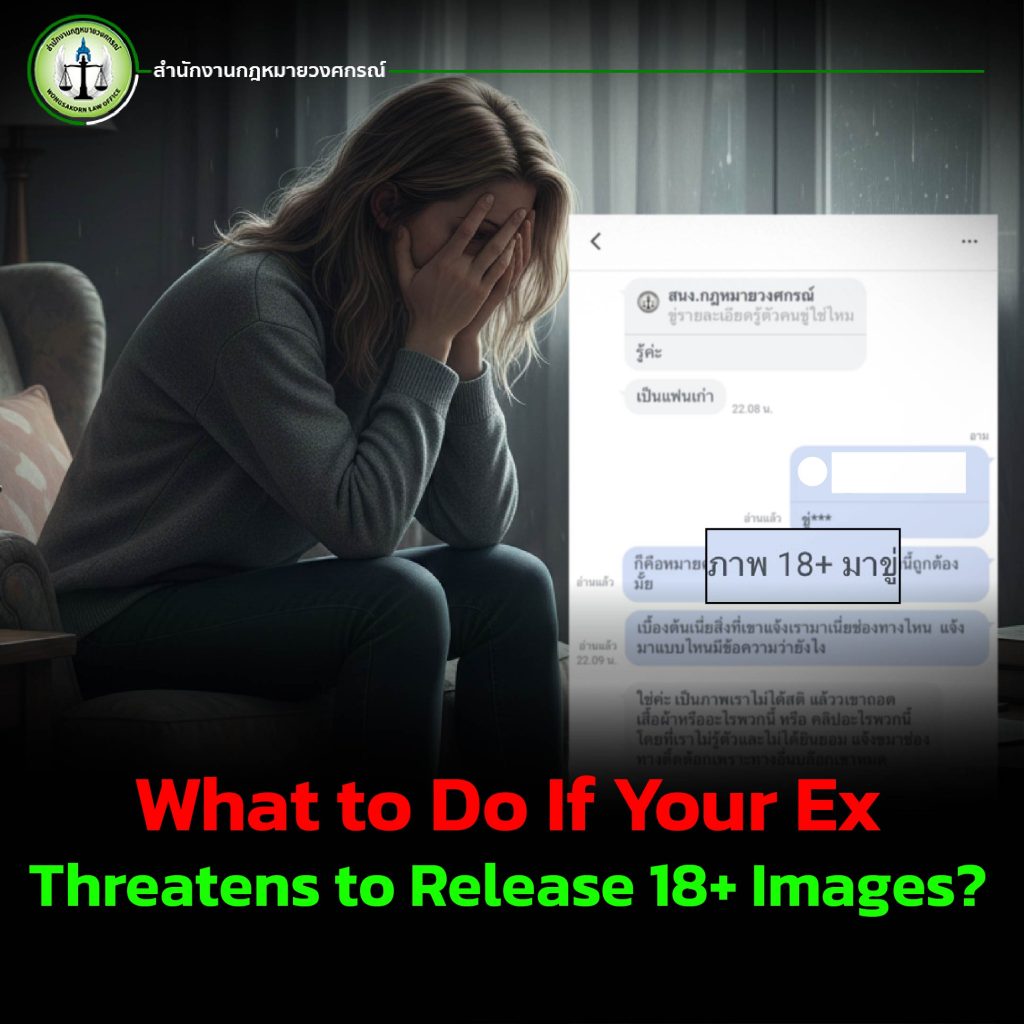
What to Do If Your Ex Threatens to Release 18+ Images?

If you’re being blackmailed, stay calm and take the following steps:

1. Do not delete messages or comply with demands

Save all evidence chat messages, social media conversations, and voice notes. Paying or agreeing may worsen the situation and lead to further threats.

2. Collect all available evidence

Key evidence includes:

  • Chats showing the threats
  • Images or clips used for blackmail
  • Phone numbers or social media accounts of the offender
  • Proof of money transfers (if applicable)

The clearer the evidence, the faster and more effectively a lawyer can act.

3. Do not threaten back or post publicly online

Threatening the offender may turn you into the wrongdoer.
Public exposure may complicate the case and even result in countersuits.

4. Consult a lawyer immediately

Blackmail is a criminal case requiring legal expertise.
A lawyer can help with case assessments, filing the police report properly, preparing warning letters, managing evidence, and ensuring safe and efficient legal proceedings.

5. Pursue legal action to stop the offender

With proper documentation and evidence handled by a lawyer, you can press charges to stop the offender and claim damages.

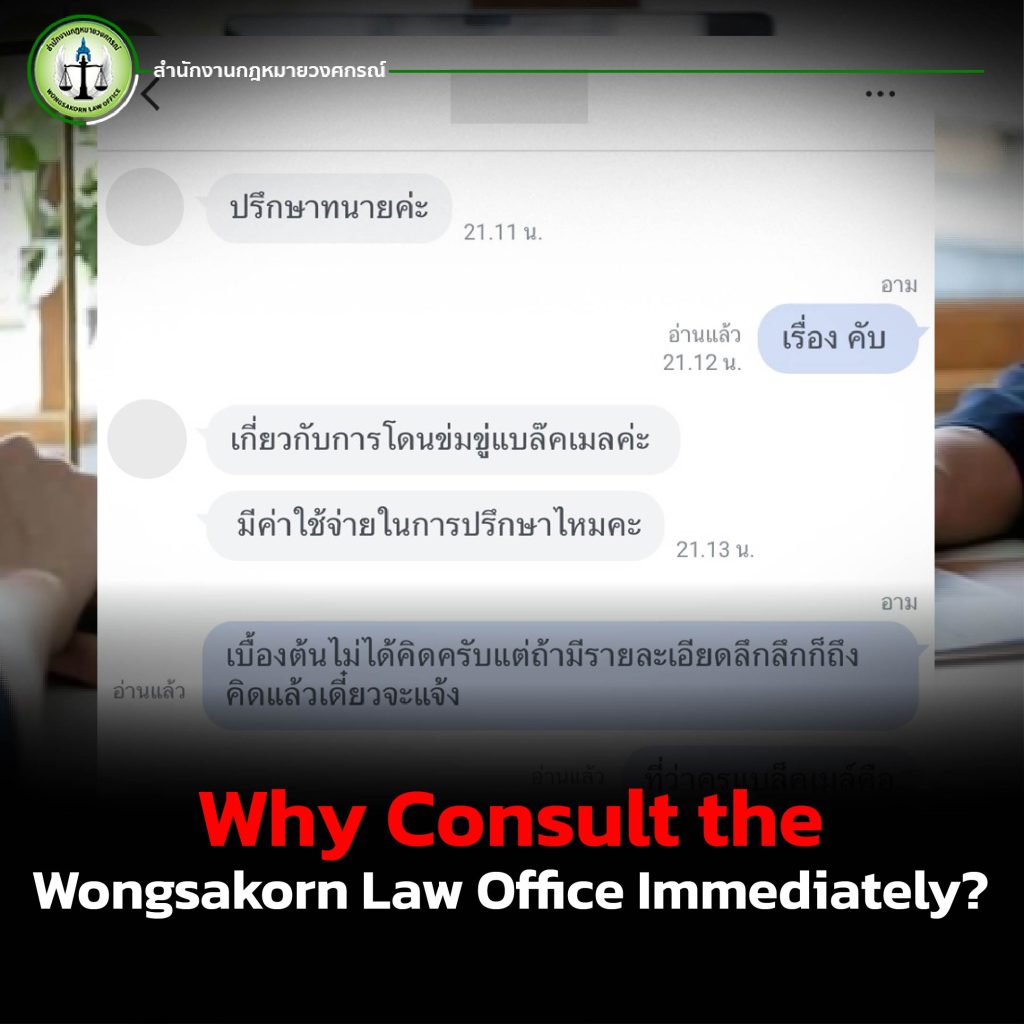
Why Consult the Wongsakorn Law Office Immediately?

Blackmail involving 18+ images is sensitive and requires speed, precision, and accuracy. Mistakes can delay the case or even allow the offender to escape liability.

Strengths of Wongsakorn Law Office

✔ Experienced lawyers specializing in blackmail, privacy violations, and intimate-image cases
✔ Ability to issue warning letters, file police reports, initiate lawsuits, and protect your rights immediately
✔ 100% confidential handling of client information
✔ Expertise in negotiation and legal actions to stop the offender
✔ Case strategies tailored to both criminal and civil proceedings

Delaying action increases risks to your reputation, career, family life, and mental health.
Consulting a professional lawyer is the safest and most effective way to stop the threat.

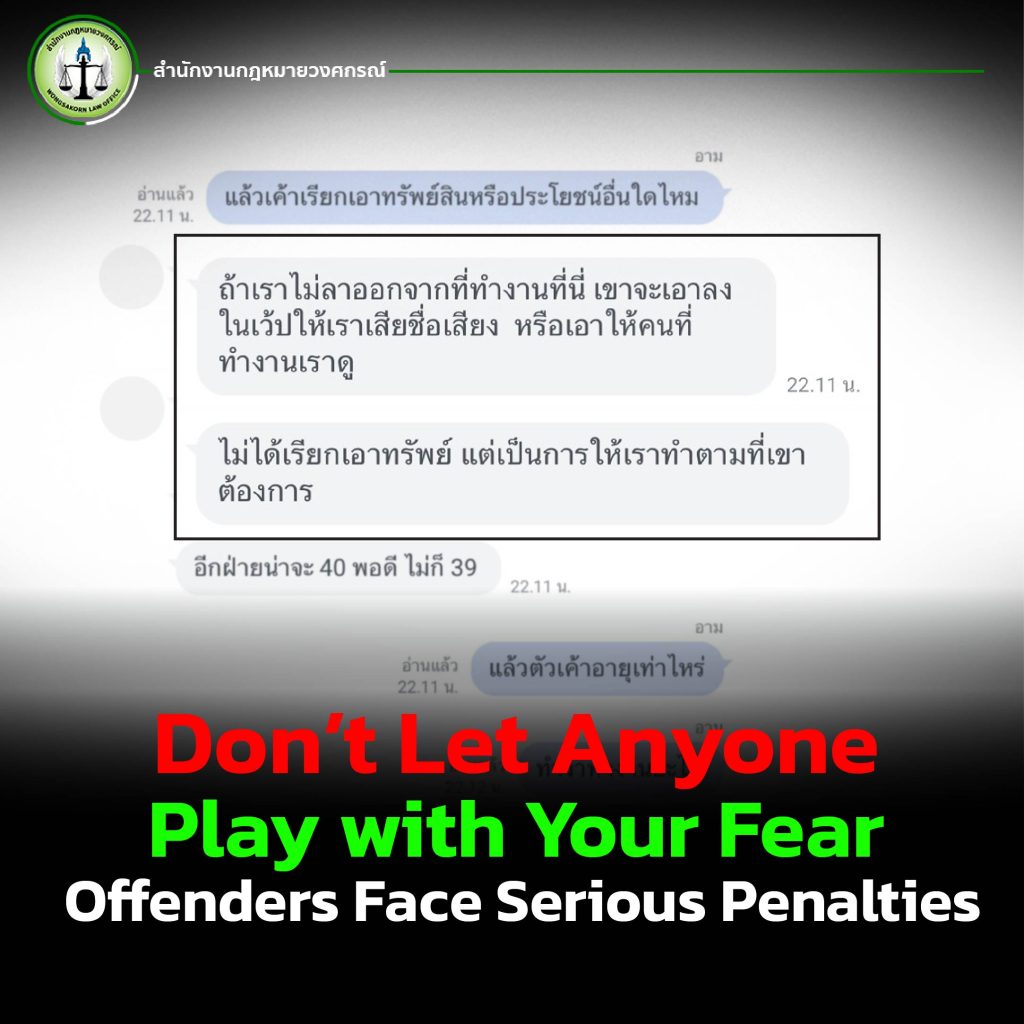
Don’t Let Anyone Play with Your Fear – Offenders Face Serious Penalties

Thai law imposes severe punishments, including:

  • Imprisonment
  • High fines
  • Both imprisonment and fines
  • Additional civil damages

Even a threat alone without releasing the images is illegal.
You are fully protected under the law.

If Your Ex or Anyone Attempts to Blackmail You, Contact Wongsakorn Law Office Immediately

Whether you’re being threatened for money, forced to reconcile, or shamed using 18+ images or personal data it is a crime, and you have the right to seek justice.

Let our legal team protect your rights and pursue compensation.
Click here to contact us >> Contact Us << Tel: 062-195-1661

Let Wongsakorn Law Office stand by you during one of your most critical moments.

Line @ คลิก! โทรหาเรา คลิก!