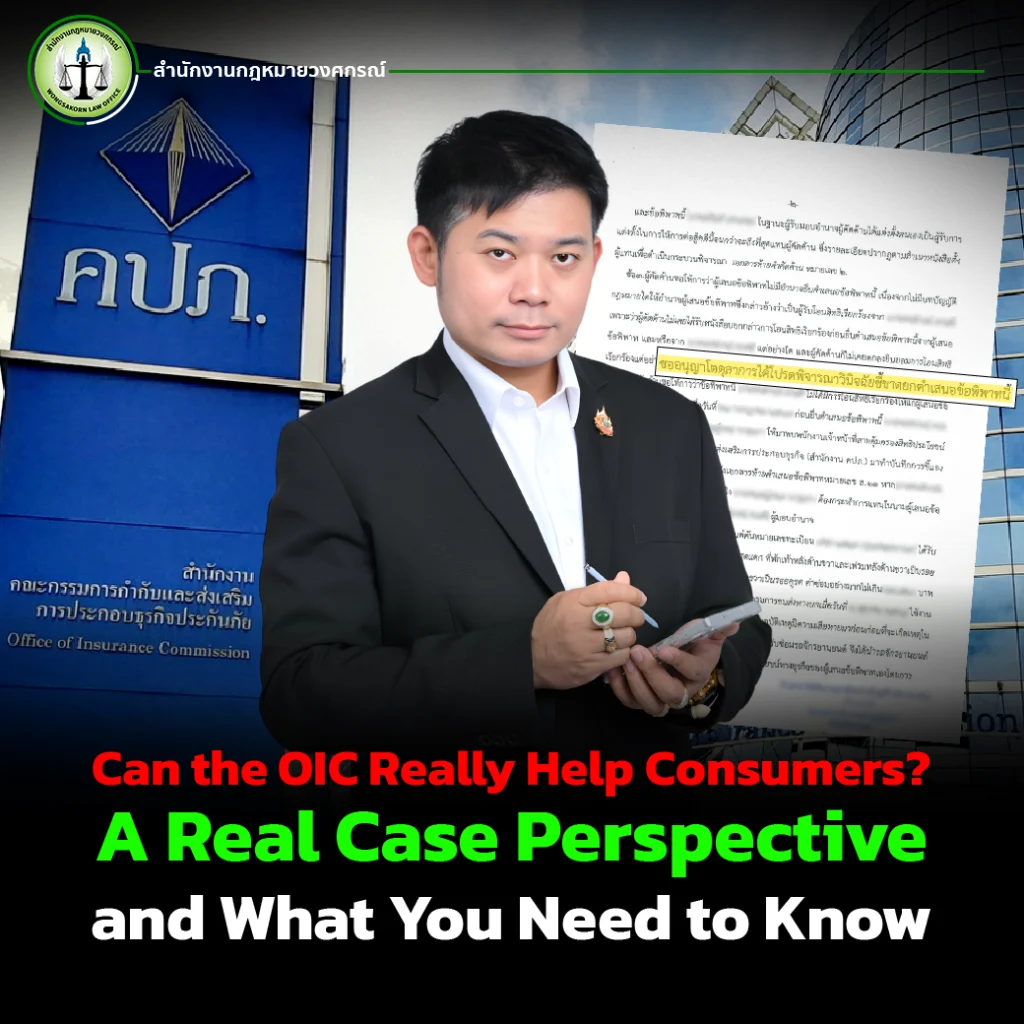
Can the OIC Really Help Consumers? A Real Case Perspective and What You Need to Know

In today’s world, insurance has become essential not only for drivers on the road but also for business operators such as auto repair companies (like our client). One key organization many people are familiar with is the Office of Insurance Commission (OIC), the regulatory body responsible for overseeing insurance companies and assisting the public in dispute situations.

But the crucial question is Can the OIC truly help consumers?

This article by Wongsakorn Law Firm takes a closer look at a real case, offering legal insights to help you better understand the OIC’s role and who you should rely on to avoid losing your rights.

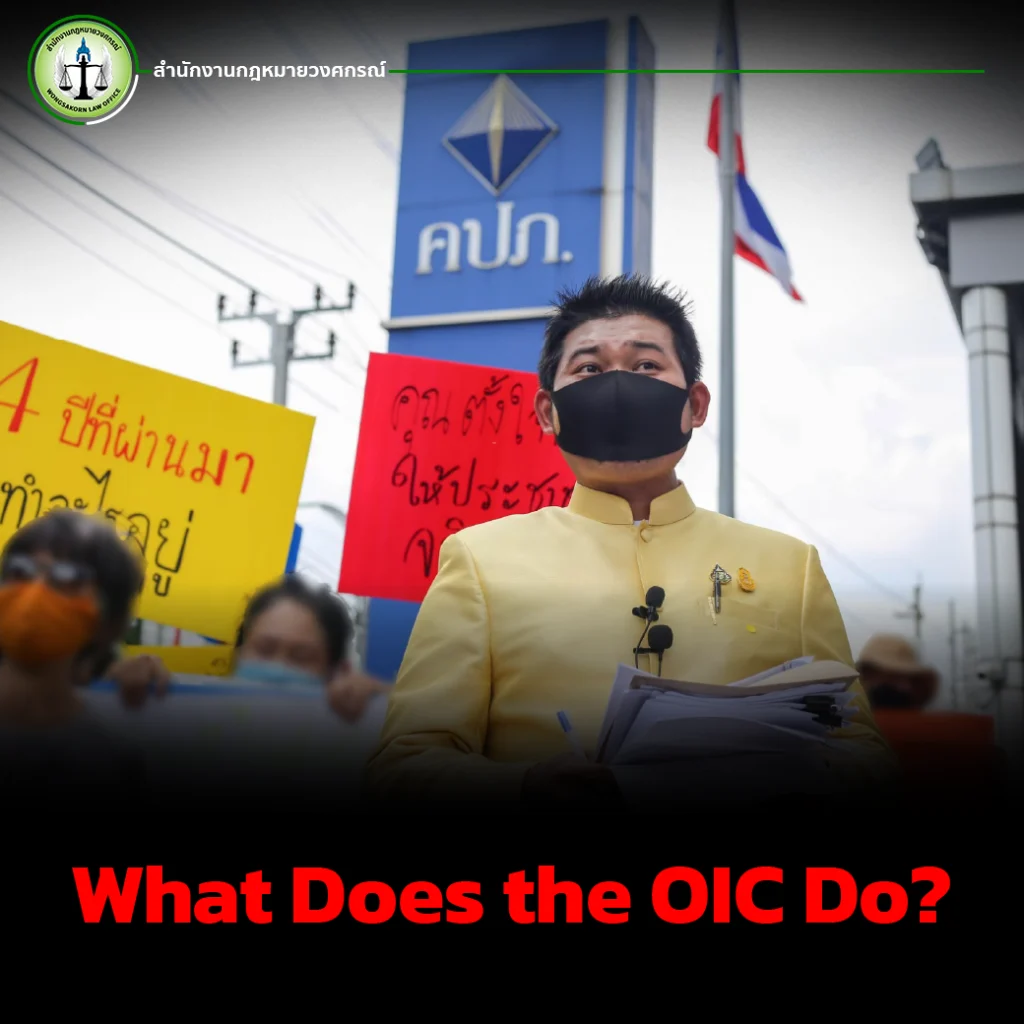
What Does the OIC Do?

The OIC’s main responsibilities include

-Regulating the insurance industry

-Protecting policyholders’ rights

-Acting as a mediator in disputes

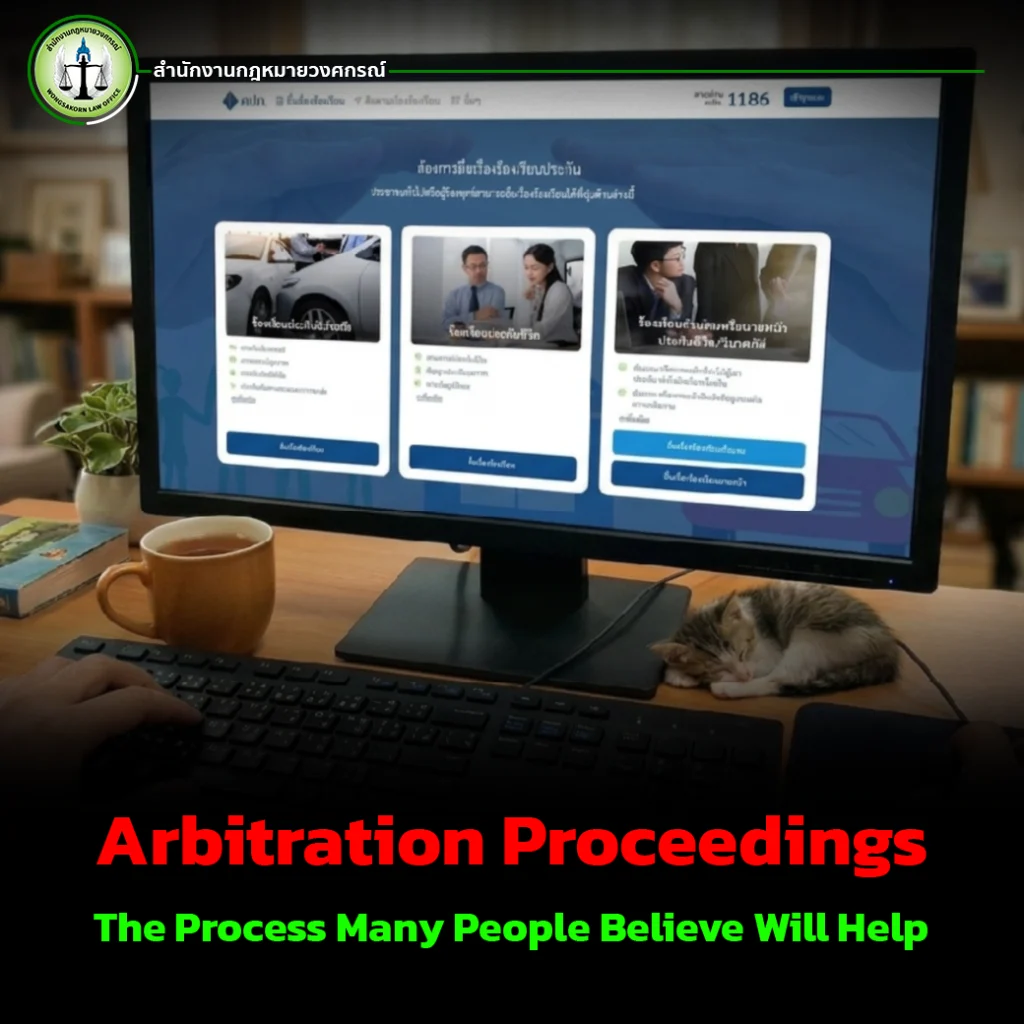
-Providing arbitration as an alternative to court proceedings

On paper, it sounds like a reliable support system for consumers. However, in practice, things do not always work out that way.

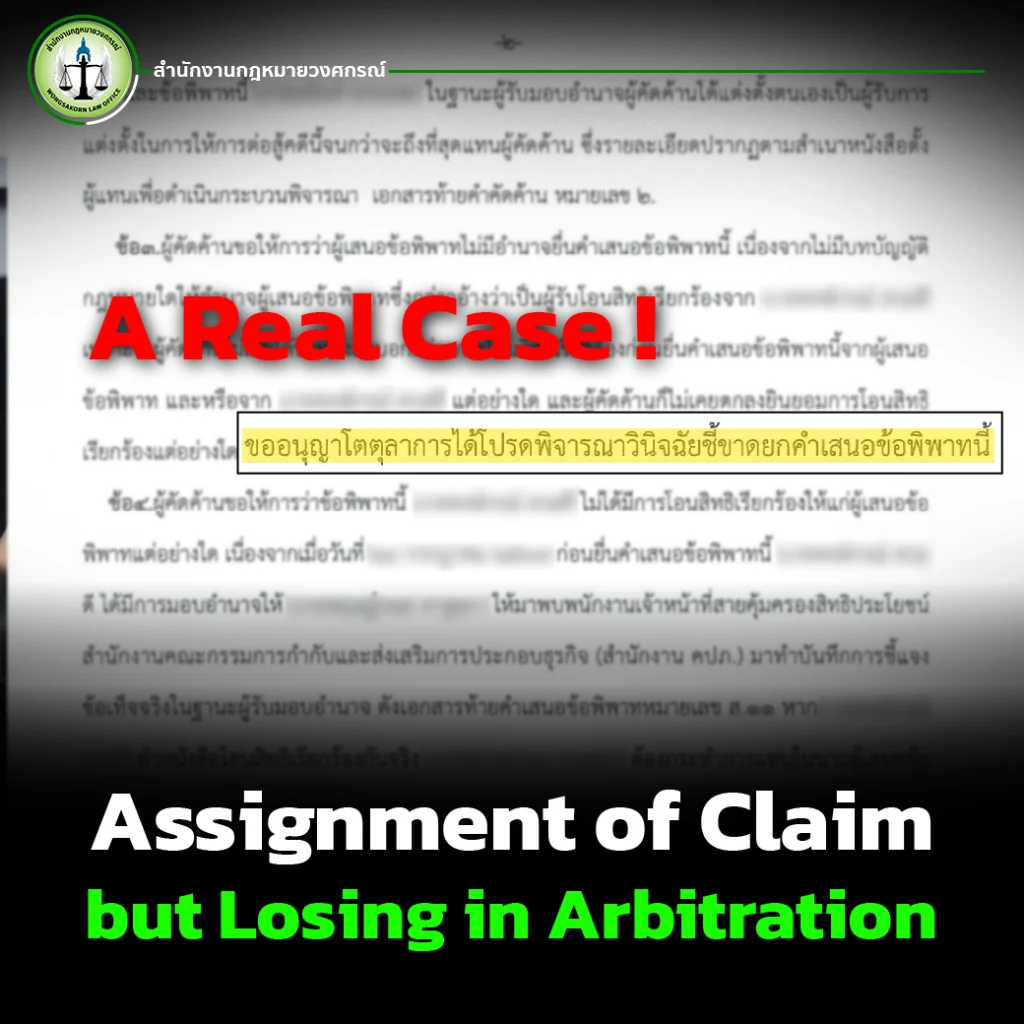
A Real Case Assignment of Claim but Losing in Arbitration

In one notable case, an auto repair company received an assignment of claim from a customer, allowing it to directly claim repair costs from the insurance company.

However, during the OIC process and arbitration, the insurance company argued:

“We were never notified of the assignment of claim.”

This was despite the fact that all relevant documents had already been submitted during the OIC process.

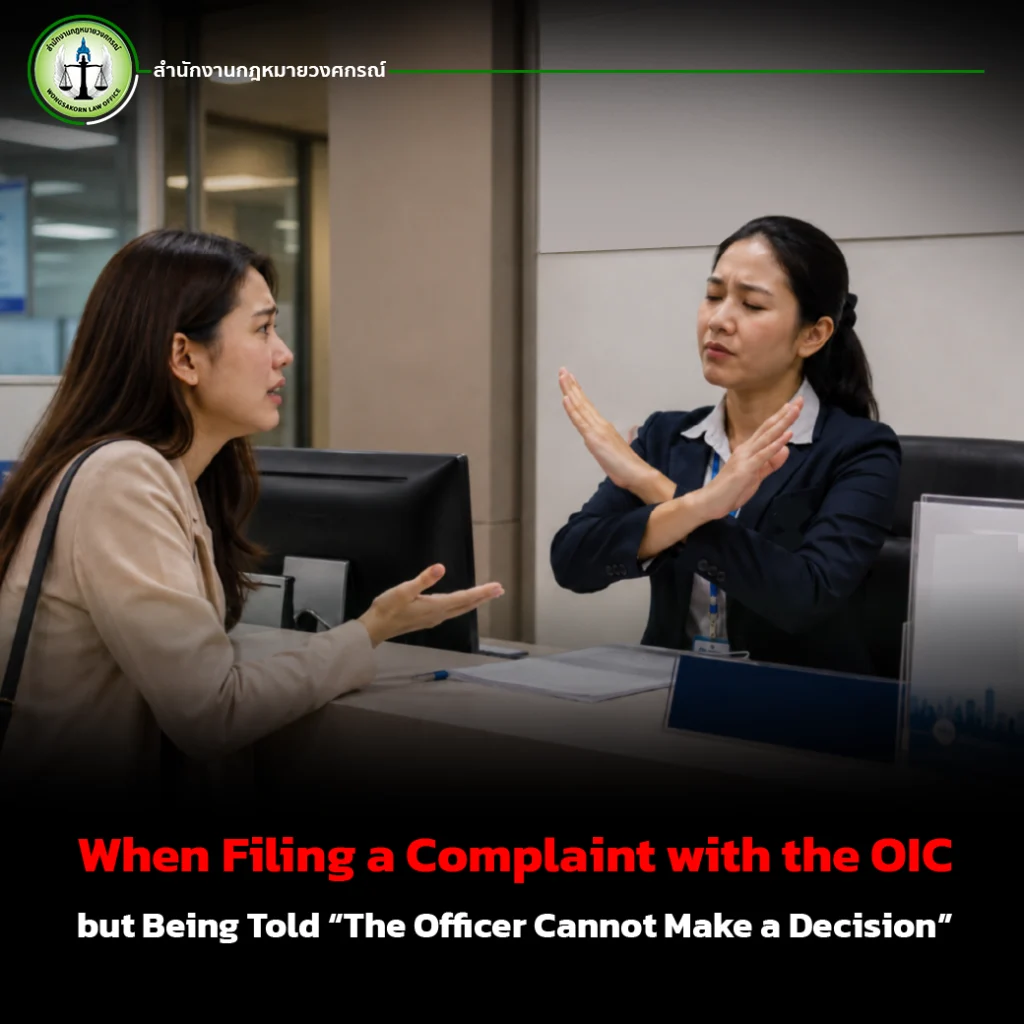
The Turning Point An Internal Issue at the OIC

The critical issue in this case was that an OIC officer failed to properly record a key document.

As a result, the arbitrator ruled that there had been no valid notification, causing the repair company (our client) to lose the case in arbitration.

This raises an important question: Who does the OIC really serve?

Justice from the Court

Although the case was lost at the arbitration stage, the matter was later brought before the court and the outcome was completely different.

The court ruled in favor of our client, citing Section 306 of the Civil and Commercial Code, which states that once a debtor has been informed of an assignment of claim, the assignment is legally valid.

The court found that notification had indeed occurred. As a result:

-The assignment of claim was legally effective

-The arbitration award was set aside

-Justice was ultimately delivered by the court, not the OIC

Is the OIC Still Reliable?

This case highlights several important realities:

-The OIC is not a court of law

-Arbitrators can make errors in evaluating evidence

-Internal processes may have flaws

-Arbitration awards can be challenged and overturned

From our experience handling insurance disputes, such cases where arbitration decisions are overturned are not uncommon.

What Should Consumers Do When Facing Insurance Disputes?

If you are involved in an accident and need to claim compensation from an insurance company, here are key precautions

1. Do Not Rely on Verbal Assurances

Always ensure everything is supported by clear documentation.

2. Monitor the OIC Process Carefully

Even after filing a complaint, follow up to ensure all documents are properly recorded and no key facts are overlooked.

3. Do Not Depend Solely on Arbitration

While faster, arbitration is not always accurate or fair.

4. Consult a Lawyer Early

This is the most important step. An experienced lawyer can:

-Structure your case correctly from the beginning

-Prevent procedural mistakes

-Develop an effective legal strategy

Having a legal expert in insurance disputes not only prevents you from being disadvantaged by insurance companies but also helps you avoid costly mistakes.

In complex disputes, relying solely on the OIC may cause you to lose your rights without realizing it.

Don’t Place All Your Trust in the OIC

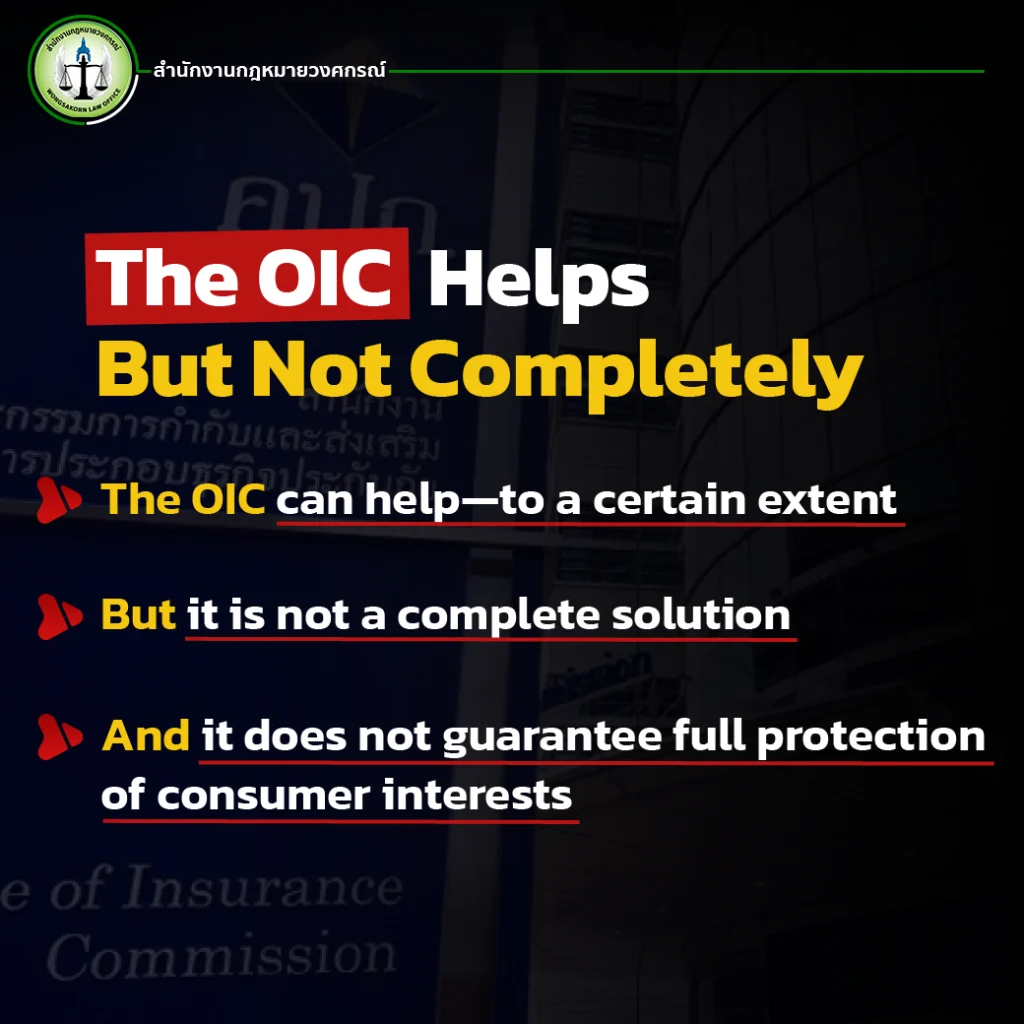
So, can the OIC really help consumers?

The answer is: Yes but not always.

Ultimately, the outcome depends on

-The strength of your evidence

-Legal strategy

-And proper case handling by an experienced lawyer

If You Are Facing an Insurance Dispute

Whether your case involves personal injury or property damage, do not let the situation escalate by filing a complaint with the OIC without proper legal preparation.

Consult with us today. Our legal team specializes in insurance disputes and can:

-Analyze your case

-Develop a strategic legal approach

-Represent you effectively both before the OIC and in court

Because we believe that justice should never depend on systemic errors.

Get legal advice today so you don’t become a victim of the system or insurance companies.

Know Your Insurance: “Get fully treated first, then we’ll discuss compensation” Genuine Advice or a Strategy to Avoid Paying?

When a car accident occurs, especially in cases involving injuries, one of the most common phrases victims hear from insurance companies is

It may sound like well-intentioned advice. However, in reality, this statement could be merely a “strategy” used by insurance companies to delay or avoid paying compensation. If victims believe this, they may unknowingly lose their legal rights, and in some cases, end up “suffering for free” without receiving the compensation they deserve.

This article will help you understand insurance tactics, know your rights, and learn what to do after a car accident.

Why You Should Be Cautious About “Settle Later”?

In practice, insurance companies are highly experienced in handling claims and often have strategies to minimize liability or limit payouts.

Common phrases include:

  • “Get treated first”
  • “We’ll settle everything later”
  • “Let’s wait until you fully recover”

Although these sound reasonable, they are often used to delay the process, because the longer it takes, the lower the chances for victims to claim full compensation.

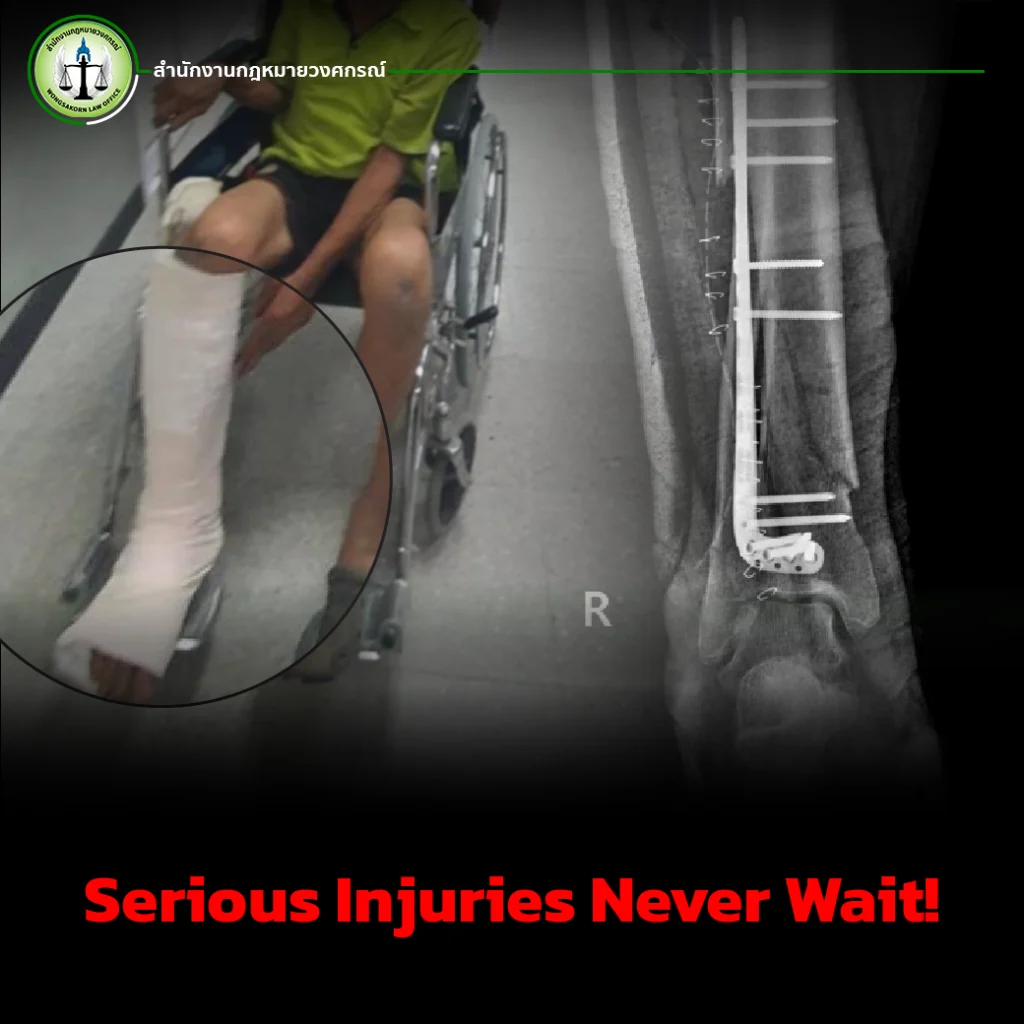
Serious Injuries Never Wait!

-In cases of severe injuries such as

-Bone fractures requiring surgery

-Long-term recovery

-Temporary loss of working ability

You should never wait until full recovery before claiming compensation, because damages include more than just medical expenses

-Loss of income

-Future medical care

-Emotional distress

-Loss of quality of life

Delays may result in missing evidence or incomplete damage assessments.

The Truth You Don’t Need to Wait

Many people misunderstand that they must fully recover before making a claim.

 In reality, this is NOT legally required.

Claims can be pursued alongside medical treatment, and in many cases, the earlier you start, the better your position.

Insurance Tactics You Should Know

Some insurers may

Initially deny claims to test your reaction

-Delay communication

-Request excessive documents

-Offer low compensation

Without legal knowledge, victims may accept less than they deserve.

Timing Is Critical

Time plays a crucial role in injury claims. Delays may lead to

-Lost evidence

-Incomplete evaluations

-Arguments like “you’ve already recovered”

-Reduced compensation

The Right Approach Consult a Lawyer Early

The best way to protect your rights is to consult a lawyer from the very beginning.

A lawyer can help

-Assess your legal rights

-Plan your claim strategy

-Gather evidence

-Negotiate with insurers

-Prevent unfair treatment

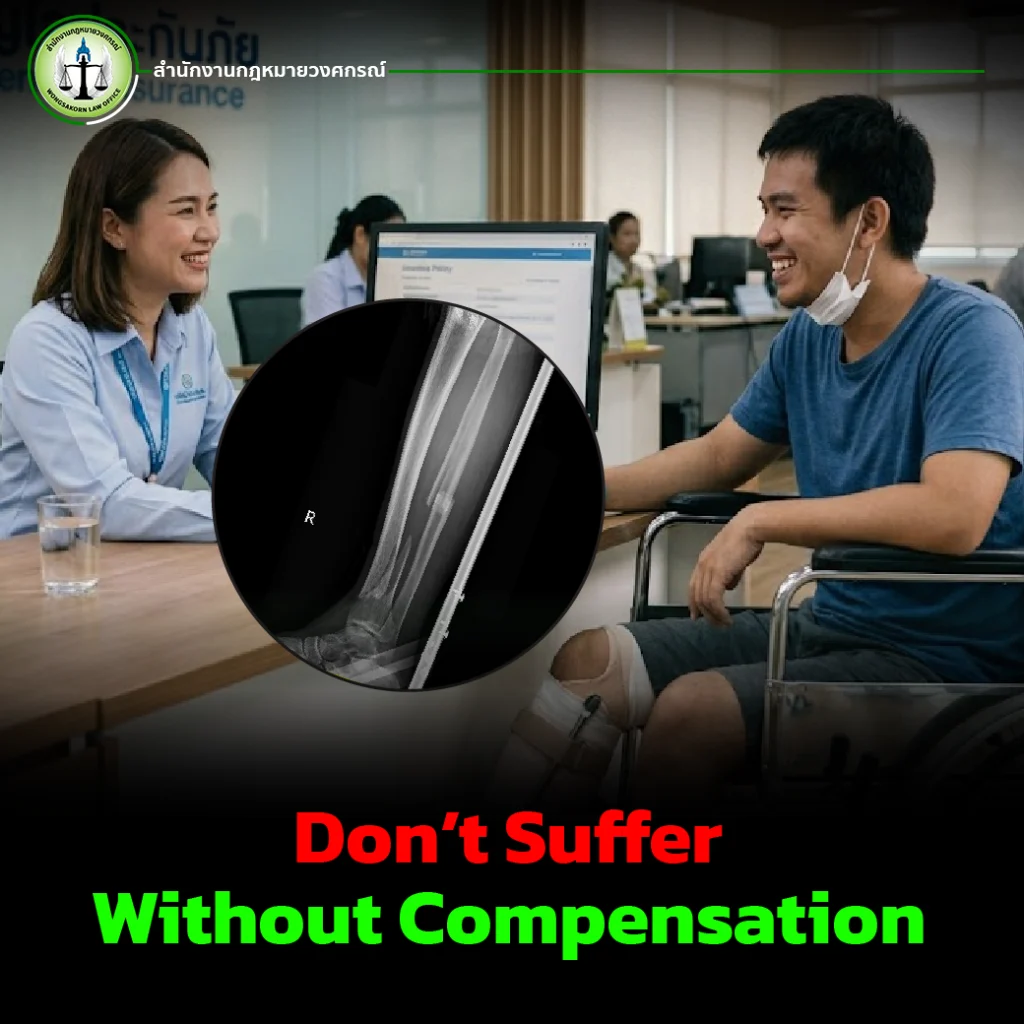
Don’t Suffer Without Compensation

Many victims trust insurers too much, delay action, or fail to seek expert advice, resulting in incomplete or no compensation. With proper legal guidance from the start, victims can fully protect their rights.

Awareness Protects Your Rights

The phrase “Get treated first, then we’ll talk” is not always good advice, it can be a tactic.

Remember

-You don’t need to wait to claim compensation

-Acting early gives you an advantage

-Evidence and timing are crucial

-Legal advice prevents loss of rights

Consult a Lawyer Before It’s Too Late

If you or someone close to you has experienced a car accident and heard this from an insurer, don’t wait.

The sooner you act, the better you can protect your rights.

Wongsakorn Law Office is ready to provide legal advice and strategic support from day one so you don’t suffer both physically and legally.

👉 Contact a lawyer today to fully protect your rights without waiting for full recovery.

Compensation for Car Accidents: If You Are at Fault, Can You Still Claim Insurance? Understand Before You Lose Your Rights

Car accident compensation in cases where you are at fault is a topic that often causes confusion. Accidents can happen to anyone whether you are a new driver or experienced. One of the most common questions is:

“If I am at fault, can I still claim compensation from my insurance company?”

Many people have been told by insurers that “you cannot claim because you are at fault,” leading them to believe they have no rights at all. However, in reality, car accident compensation involves more complex legal considerations, and in some cases, the insured may still have the right to claim.

This article and the accompanying video aim to clearly explain what rights you may have when you are at fault, and under what circumstances you can still claim additional compensation from your insurance company.

What Is Car Accident Compensation?

Car accident compensation refers to the amount paid by an insurance company to the insured or injured party to cover damages caused by an accident, such as:

  • Vehicle repair costs
  • Medical expenses
  • Damage to third-party property
  • Loss of use of the vehicle

However, the right to receive compensation depends on the type of insurance policy, policy conditions, and facts of the accident.

If You Are at Fault, Can You Still Claim Compensation?

Consider a real case where a driver lost control and slid off the road. When contacting the insurance company, they were told:

“You cannot claim because you are at fault.”

Legally, this situation must be analyzed in two key scenarios:

1. General Rule: When You Cannot Claim

If the insured is at fault, for example:

  • Crashing into a pole
  • Rear-ending another vehicle
  • Causing an accident due to negligence

In such cases, you generally cannot claim compensation from your own insurance company for damages caused by your own fault, especially if the policy has coverage limitations.

2. Exceptions: When You May Still Claim

Even if you are at fault, you may still be able to claim compensation if the insurance company:

  • Fails to perform its duties
  • Ignores or delays your claim
  • Does not control or manage repair costs
  • Fails to provide reasonable repair estimates
  • Causes unjustified delays (e.g., waiting indefinitely for assessment)
  • Rejects your claim without valid reasons

In such cases, you may claim damages resulting from the insurer’s negligence or improper conduct.

Examples of Claimable Situations

Case 1:
You caused the accident, but the insurer delays repairs excessively
➡ You may claim compensation for loss of use

Case 2:
The insurer fails to coordinate repairs
➡ This may be considered negligence

Case 3:
The insurer rejects your claim without clear justification
➡ You may challenge the decision

👉 Therefore, being at fault does not always mean losing all rights to compensation.

Key Techniques for Claiming Compensation

Successfully claiming compensation in such cases requires Legal analysis, Evidence collection, Proper case structuring, Strategic claim presentation.

In practice, how the case is structured legally can significantly affect the outcome.

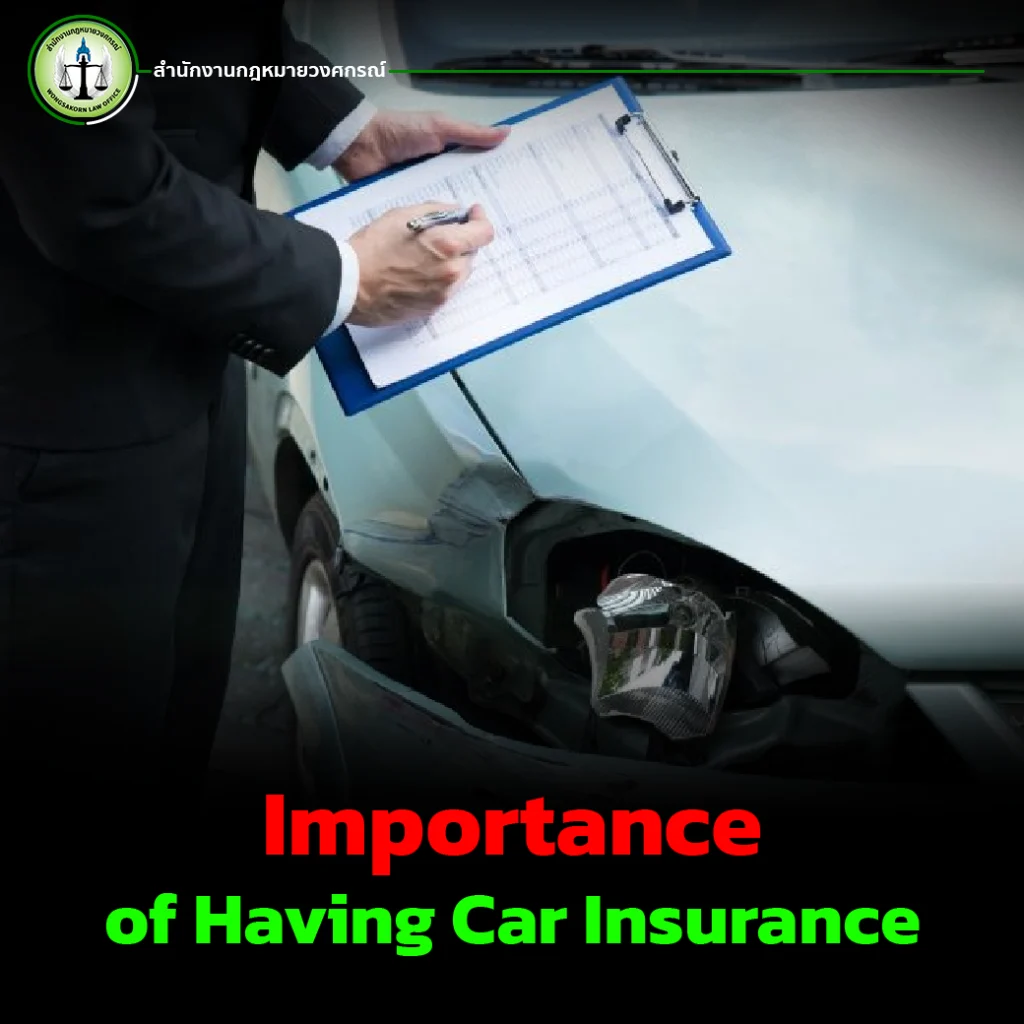
Importance of Having Car Insurance

Car insurance remains essential because it helps reduce financial burdens after an accident. Even if not all damages are claimable, insurance still covers:

  • Third-party liability
  • Medical expenses
  • Property damage

Choosing the right policy and understanding its terms is crucial.

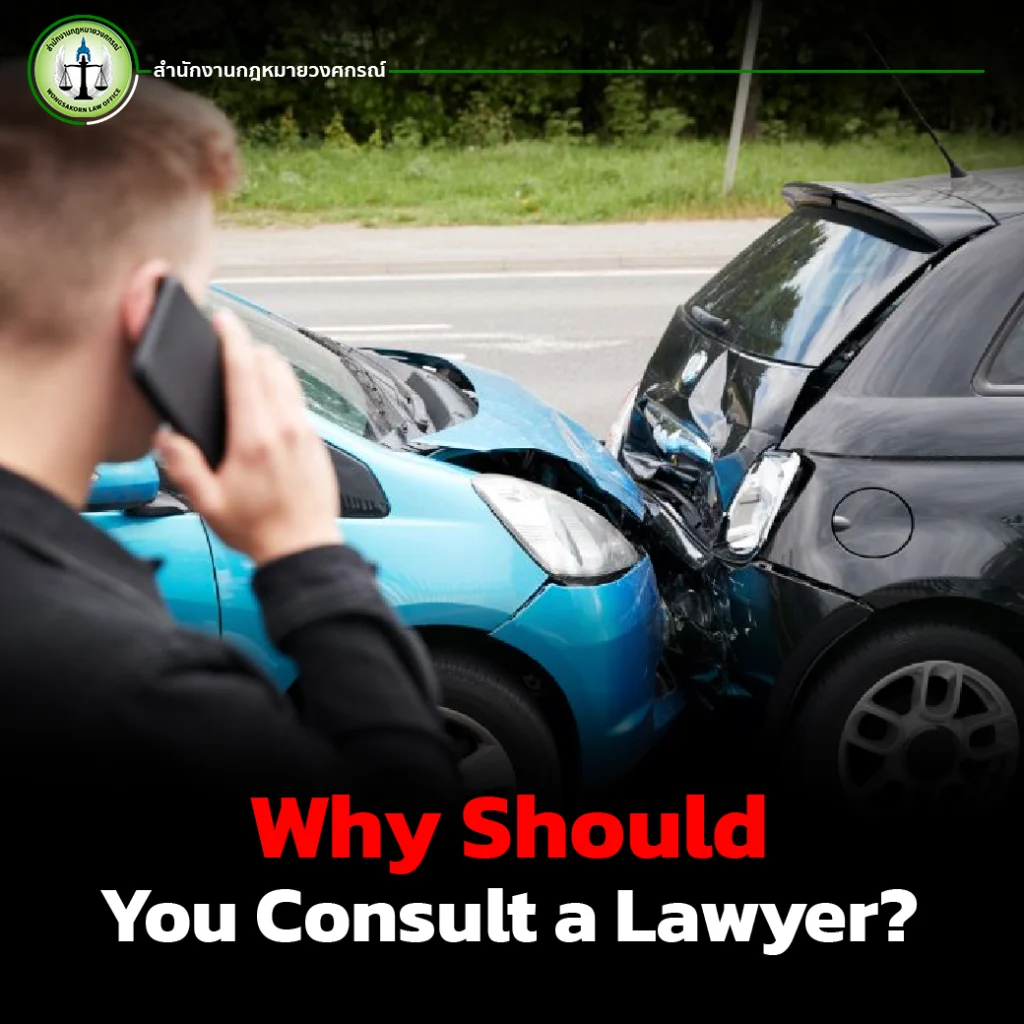
Why Should You Consult a Lawyer?

Many people try to handle claims themselves. However, insurance disputes can be legally complex, especially when dealing with insurer misconduct.

Consulting a lawyer early helps you

  • Understand your rights
  • Evaluate your claim
  • Plan legal strategy
  • Avoid losing benefits

Being at Fault Doesn’t Mean Losing All Rights

Being at fault does not automatically mean you lose all rights to compensation. It depends on the facts and the insurer’s conduct.

If the insurance company acts improperly, delays, or rejects claims unfairly, you still have the right to seek compensation.

Consult a Lawyer to Protect Your Rights

If you are involved in a car accident whether at fault or not consulting a lawyer early is the best decision.

Proper legal guidance from the beginning can help you secure full compensation and protect your rights.

Wongsakorn Law Office, led by Lawyer Arm, is ready to assist you with professional legal strategies to safeguard your interests.
👉 Contact us today

The Importance of Motor Insurance: Protection for Life, Property, and Financial Security

Insurance In today’s world, cars are not only a means of transportation but also an essential factor in daily life, work, and business for many people. However, using a car always comes with unpredictable risks, whether from accidents, collisions, theft, or natural disasters. These incidents may cause damage to both life and property at values much higher than many people expect.

For this reason, motor insurance is not just an extra expense, but an important risk management tool and a financial shield that everyone should have.

What is Motor Insurance and Why is It Necessary?

Motor insurance is a contract between the insured and the insurance company. The insurance company is responsible for compensating for damages resulting from accidents or unexpected events according to the terms stated in the policy. This may include repair costs, medical expenses, third-party property damage, or compensation in cases of death or disability.

Without insurance, when an accident occurs, drivers may have to bear all expenses themselves. These costs may range from tens of thousands to millions of baht and may affect long-term financial stability.

How Insurance Reduces Financial Risk?

Road accidents can happen anytime, no matter how careful a driver is. If an accident involves a luxury car or causes serious injury, the damage costs may exceed what a car owner can afford to pay.

Insurance helps convert large, unpredictable financial risks into predictable insurance premiums. This allows drivers to plan their finances more securely without worrying about losing life savings due to a single accident.

Insurance and Peace of Mind in Daily Life

Beyond financial protection, insurance also provides peace of mind. Drivers can use their vehicles more confidently, knowing that if an unexpected incident occurs, the insurance company will assist in handling processes such as coordinating with repair garages, managing claim documents, or negotiating with third parties.

In real accident situations, many people panic and do not know where to start. Insurance therefore acts like a professional assistant who helps manage the process from beginning to end.

Insurance as Social Responsibility

Having motor insurance is not only about protecting yourself, but also about showing responsibility toward others on the road. If an accident causes damage to others, the insured can be confident that the injured party will receive fair compensation.

This helps reduce conflicts, lawsuits, and promotes a more just society.

How to Choose Insurance Without Being Disadvantaged?

Although insurance is highly beneficial, buying insurance without understanding the details may disadvantage consumers. For example, choosing an unsuitable coverage amount, misunderstanding policy conditions, or not knowing policy exclusions.

In many cases, insured persons only discover coverage limitations after an incident occurs, causing repeated financial and emotional damage.

Therefore, buying insurance with full understanding is crucial. Buyers should receive accurate, transparent, and fair advice to fully understand their rights and obligations.

Buy Insurance with Experts for Confidence in Every Situation

Choosing an insurance office that has knowledge in both insurance and legal matters, with guidance from a Lawyer, helps ensure that insured persons are not placed at a disadvantage against insurance companies. Experts can explain policy conditions, clarify precautions, and protect customer benefits comprehensively.

Having an advisor who understands both insurance systems and consumer rights ensures that buying insurance is not just buying a policy, but truly planning life security.

If you want to buy insurance with a true understanding of the insurance system,

Because good insurance does not only protect you when incidents happen,
But protects you from the moment you decide to buy it.

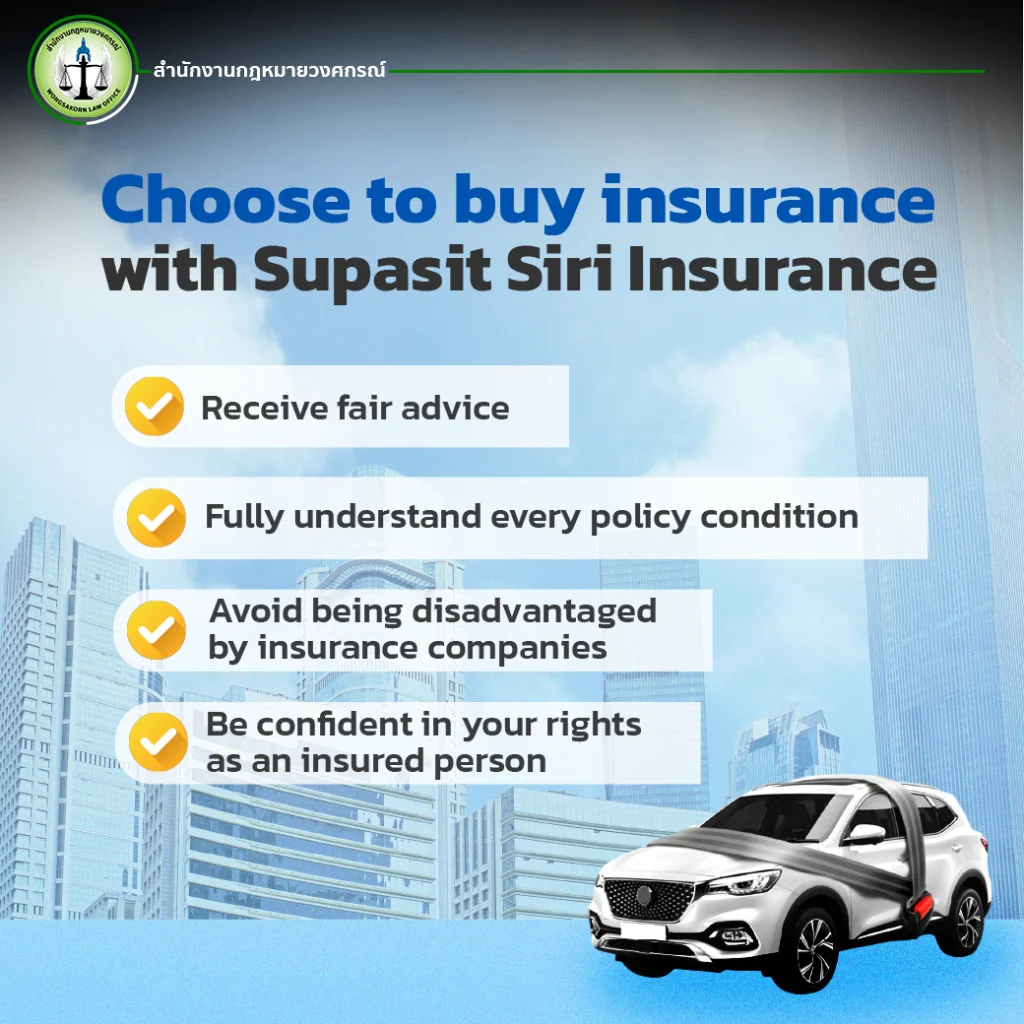
Supasit Siri Insurance Ready to take care of you on every road of life and every risk on the road.

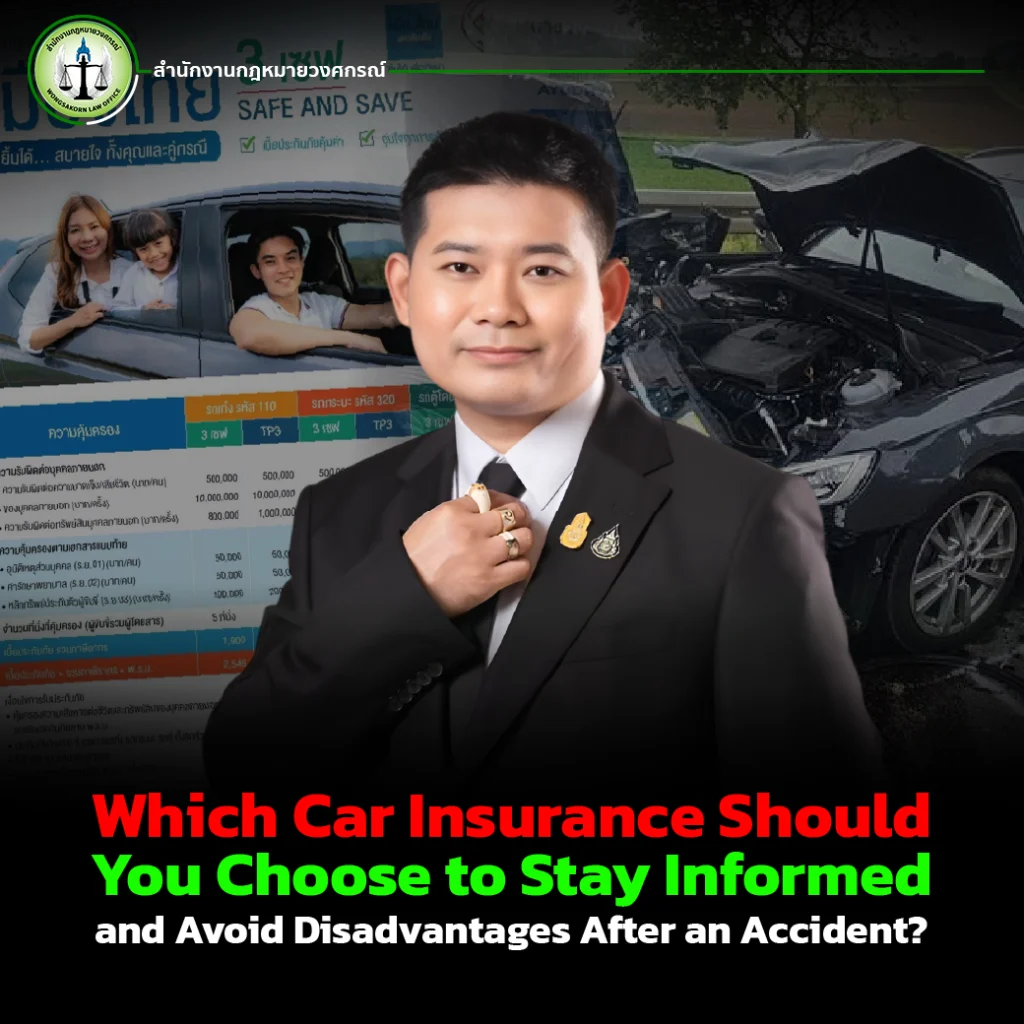
Which Car Insurance Should You Choose to Stay Informed and Avoid Disadvantages After an Accident?

In today’s world, where driving is part of daily life, car insurance is not merely a document for vehicle registration. It is a vital form of financial and legal protection. Accidents can happen at any time, and the damage from a single incident can be far greater than many people expect.

However, a common problem is that many policyholders “buy car insurance without truly understanding the policy conditions.” When an accident occurs, they later find that the coverage does not meet their needs or that the insurance company refuses certain liabilities. This leads to financial loss, wasted time, and the unintentional loss of legal rights.
This article will help you understand how to choose car insurance wisely and why purchasing car insurance through a lawyer can significantly reduce long-term risks.

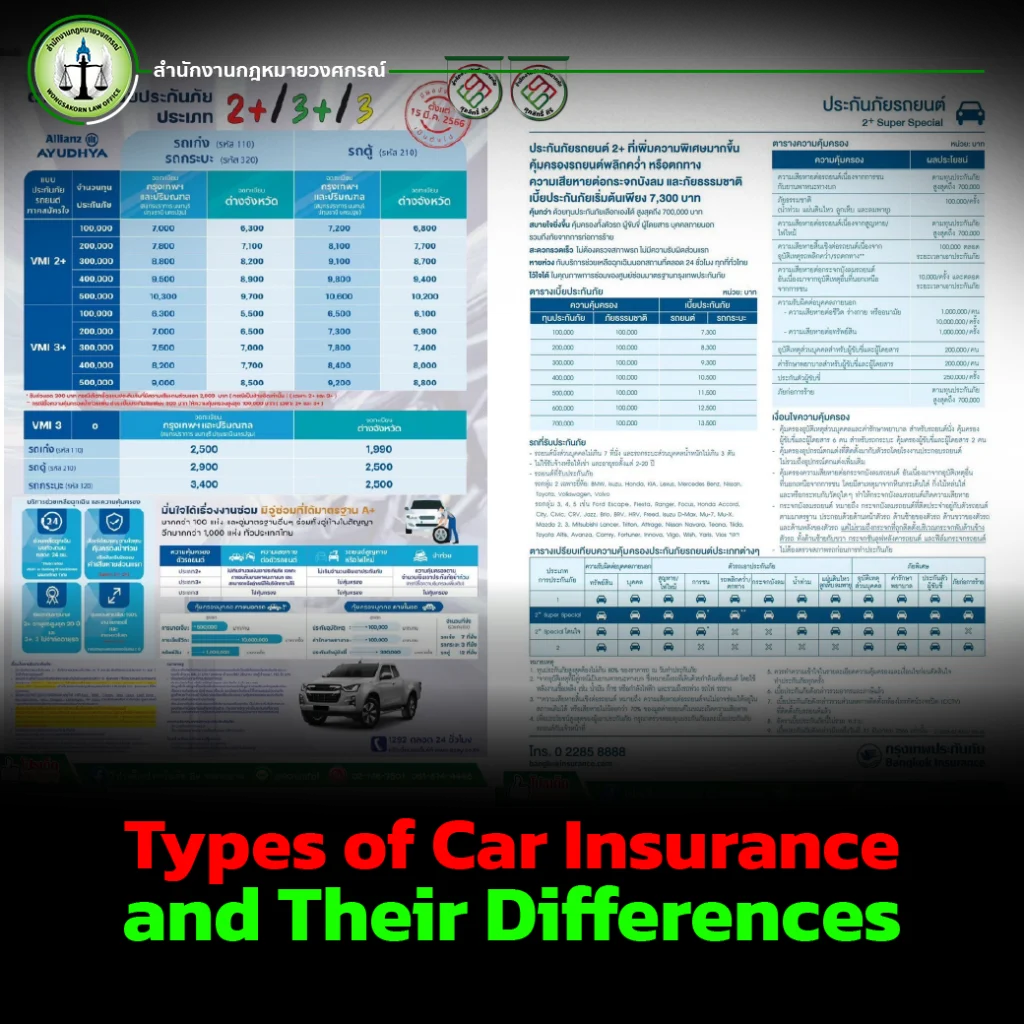
Types of Car Insurance and Their Differences

Before buying car insurance, you should understand the main types

1. First-Class Car Insurance (Comprehensive Insurance)
Provides the highest level of coverage, including damage to your own vehicle, third-party vehicles, collisions, fire, flood, and theft. Suitable for new or high-value cars.

2. Second-Class Plus Insurance (Type 2+)
Similar to comprehensive insurance but mainly covers collisions with other vehicles, including fire and theft. Suitable for general use vehicles.

3. Third-Class Plus Insurance (Type 3+)
Covers only collisions with other vehicles. It does not cover theft or fire.

4. Third-Class Insurance (Type 3)
Covers only bodily injury and property damage to third parties, not the insured vehicle.

Choosing car insurance should depend on the age of the car, usage, and budget not solely on the lowest premium.

Common Mistakes That Cause Policyholders to Lose Their Rights

Many drivers believe that “having insurance means no worries,” but in reality, policies contain many conditions and exclusions, such as:

  • Insufficient coverage limits
  • Garage vs. dealer repair conditions
  • Deductibles
  • Exclusions for drunk driving or illegal acts
  • Late accident reporting

Insurance companies may interpret policies narrowly. Without legal knowledge, policyholders may accept unfair conditions and lose their rightful benefits.

Why Buy Car Insurance Through Us?

The key difference between a general insurance agent and Supasit Siri Non-Life Insurance Office with Lawyer Arm is the legal perspective.

Lawyer Arm not only recommends suitable insurance packages but also explains legal terms, policyholder rights, and contract risks in detail. When disputes arise, you can consult a lawyer immediately without having to suffer losses first and seek help later.

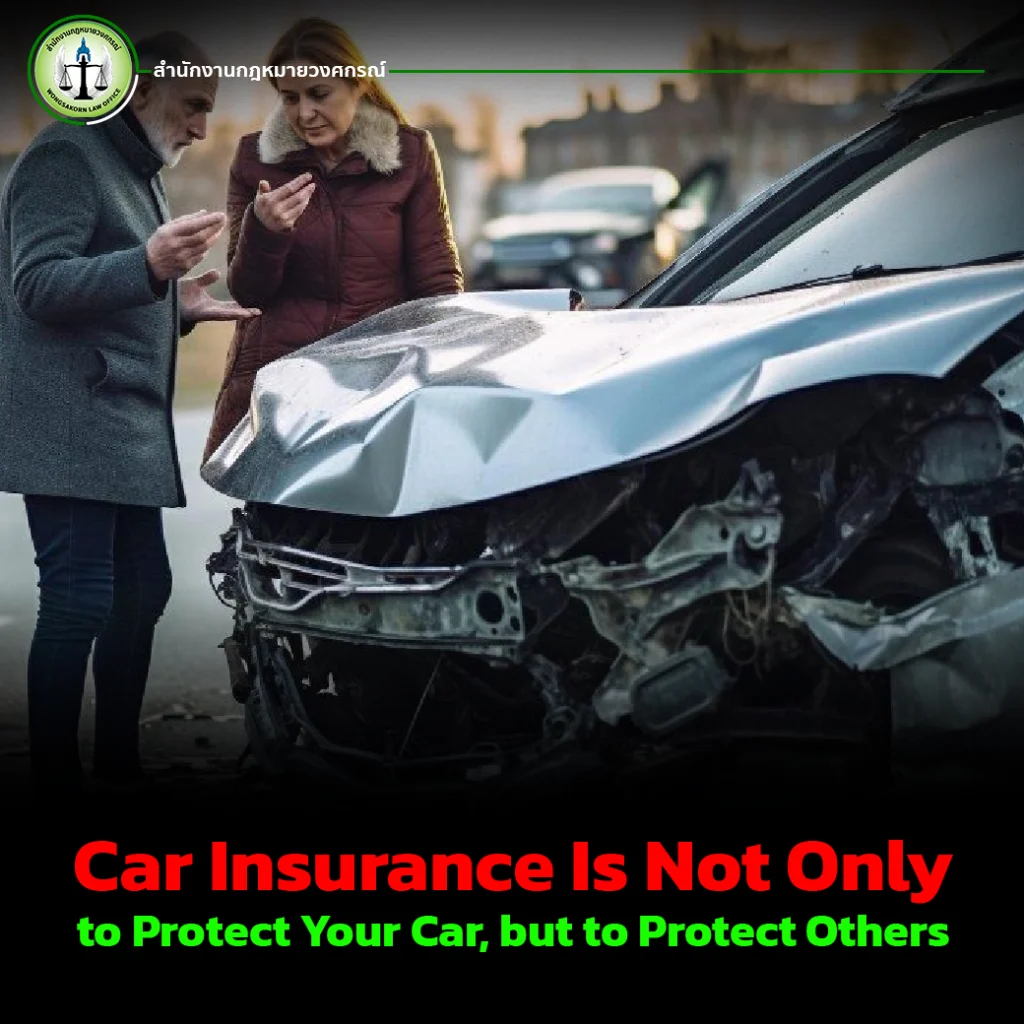
Car Insurance Is Not Only to Protect Your Car, but to Protect Others

Many people think car insurance exists mainly to protect their own vehicle. In fact, its primary purpose is to cover damages caused to others. Accidents are unpredictable, and compensation for injury or property damage can exceed what an individual can afford. Therefore, car insurance is a crucial financial and legal safeguard.

Good Car Insurance Is More Than a Cheap Premium

A quality policy should be evaluated based on

  • Scope of coverage
  • Appropriate liability limits
  • Claim processing efficiency
  • Fair legal conditions
  • Post-sale consultation support

Having legal expertise from the beginning ensures that your policy truly protects you when problems occur.

How Car Insurance Helps You After an Accident?

Car insurance covers more than vehicle repairs. It also involves:

  • Compensation to third parties
  • Medical expenses
  • Loss-of-use compensation
  • Legal damages
  • Negotiation and dispute resolution

Without proper legal guidance, you may bear unnecessary costs.

Where to Buy Car Insurance with a Lawyer Arm?

You can purchase car insurance with lawyer Arm at Supasit Siri Non-Life Insurance Office, offering multiple plans from various companies, tailored specifically to your needs.

The Best Car Insurance Is the One That Does Not Put You at a Disadvantage

Car insurance is a long-term investment for peace of mind. Buying without understanding the terms may cost more than expected. With a Lawyer Arm, you gain both coverage and legal knowledge.

A Cautionary Tale of “Loss of Use of a Vehicle”: When Insurance Companies Shift the Blame to Consumers Who Is Truly Responsible?

Those who regularly follow legal content on the Wongsakorn Law Office website will notice that loss of use of a vehicle is one of the recurring legal issues that causes significant hardship to insured persons. Many cases reveal a troubling pattern in which insurance companies attempt to avoid liability or shift the burden onto policyholders, even though the damage results from accidents and repair processes beyond the insured’s control.

Loss of use of a vehicle is not a new legal concept. However, many consumers remain unaware of their legal rights, leading them to accept losses without receiving fair compensation. This article presents another real-life case that clearly illustrates why having a lawyer involved from the very beginning is critically important once damage occurs.

What Is “Loss of Use of a Vehicle”?

Loss of use of a vehicle refers to damages that a vehicle owner is legally entitled to claim when they are unable to use their vehicle under normal circumstances due to reasons not caused by their own fault for example, when the vehicle is damaged in an accident and must undergo lengthy repairs, preventing its use for work, business, or daily life.

Such damages may be claimed even if the injured party does not rent a replacement vehicle, provided it can be proven that the vehicle was normally in use and that the inability to use it caused actual damage. However, the method and effectiveness of claiming loss-of-use damages largely depend on the legal techniques and strategies employed by the lawyer handling the case, which can significantly affect the amount recoverable.

Nearly 200 Days in Repair Who Should Be Held Responsible?

In one illustrative case, the victim’s vehicle was severely damaged in an accident and required nearly 200 days of repair far exceeding a reasonable repair period. Due to this prolonged delay, the victim was unable to use the vehicle and therefore appointed a lawyer to pursue compensation, including loss-of-use damages, from the insurance company. However, what transpired in court raised serious concerns regarding the insurer’s conduct.

Blame Shift No. 1: “The Insured Voluntarily Chose the Repair Center”

The insurance company argued that:

“The plaintiff voluntarily chose to repair the vehicle at that service center, fully aware that the repair queue would take several months.”
In other words, the insurer attempted to shift responsibility onto the insured, claiming that the insured must bear the consequences of the repair delay. In reality, insured persons often have little bargaining power and must rely on repair processes controlled by insurers, particularly regarding repair cost approvals.

Blame Shift No. 2: Passing Responsibility to the Repair Center

After blaming the insured, the insurance company further shifted responsibility to the repair center, citing long repair queues. However, evidence showed that the insurer itself contributed to the delay through slow repair approval processes.

As a result, the insured was left in a situation where “no one takes responsibility,” despite being the insurer’s customer. This raises a crucial question: When should an insurance company, as the insurer, be held accountable to its policyholders?
Not Sure Where to Start After an Accident? Learn to Protect Yourself Through Wongsakorn Law Office’s YouTube Channel

After an accident, many people are unsure how to begin claiming loss-of-use damages, what to say to insurance companies, what documents are required, or whether the insurer’s explanations should be accepted. Numerous cases demonstrate that individuals who pursue claims on their own often face rejection, blame-shifting, or legal misinformation, ultimately giving up without fair compensation.

In truth, loss of use of a vehicle is a legally recognized right, and insurance companies cannot deny liability merely by citing long repair queues or claiming that the insured selected the repair center. The real issue is not the absence of rights, but the lack of knowledge on how to properly exercise them.

If you are unsure where to begin, we recommend following Wongsakorn Law Office’s YouTube channel, which offers real case studies, legal insights, and practical strategies regarding loss-of-use claims and insurance disputes in an easy-to-understand format empowering you to stay informed and avoid being taken advantage of.

Knowing your rights, knowing the techniques, and understanding insurance practices from the very first step can make all the difference.

Why Is It Crucial to Have a Lawyer from the Start?

This case clearly demonstrates the importance of involving a lawyer immediately after damage occurs. A lawyer can:

  • Develop a compensation strategy from the outset
  • Collect evidence regarding vehicle usage and repair duration
  • Properly assess loss-of-use damages
  • Prevent unfair denial of liability by insurance companies

In contrast, many victims first attempt to handle matters themselves and only consult a lawyer after repeated denials by which time they may have already lost critical legal advantages.

Consult a Lawyer Immediately Better Than Trying Alone and Receiving Nothing

This nearly 200-day repair case serves as a powerful reminder that victims should not bear the burden of delays and unfair treatment alone. Once damage occurs, insured persons’ rights deserve genuine protection.

If your vehicle has been in long-term repair or your loss-of-use claim has been denied, do not wait for the damage to escalate. You may consult a lawyer immediately to plan a fair, lawful, and strategic compensation claim from the very beginning. Consult a lawyer today Click “Contact Us

“Knock for Knock Form” A Small Thing Every Insured Driver Must Know Before It Becomes a Big Problem Insurance Companies Never Tell You

When it comes to motor insurance whether it is first-class, second-class, or third-class insurance many people believe that simply “having insurance” is enough. If an accident occurs, they assume they can just call the insurance company, wait for the surveyor, and everything will be resolved smoothly.

In reality, motor insurance involves many important details that most policyholders either do not know or have never been told. One of the most crucial documents that every insured driver should always keep in their vehicle is the “Knock for Knock Form.”

This single sheet of paper can save you time, prevent disputes with the other party, and protect you from future insurance claim problems.

In this article, Attorney Arm shares real-life experience to help insured drivers understand their rights and avoid mistakes in emergency situations.

A Real Experience! When Even a Lawyer Faces a “Knock for Knock” Issue

One day, Attorney Arm was involved in a rear-end collision. His vehicle was damaged, but fortunately, no one was injured and the damage was not severe.

At the time, both parties were in a hurry. Attorney Arm politely asked the other driver:

“Do you accept responsibility?”

The other party appeared confused, even though under traffic law, rear-end collisions clearly place fault on the vehicle behind. To avoid prolonging the situation, Attorney Arm then asked:

“Do you have a Knock for Knock Form?”

This form is issued by insurance companies to their policyholders. Both parties agreed to fill out and exchange the Knock for Knock Forms and then left the scene calmly, without argument or conflict.

The Problem Begins When the Other Party Calls Their Insurance Company

After leaving the scene, the other driver contacted their insurance company and told the call center that:

“The other party was in a hurry and wanted to exchange claim forms.”

Surprisingly, the insurance staff responded:

“That is not allowed. Our officer must inspect the accident scene.”

Attorney Arm then contacted the insurance company’s call center himself, politely explaining the situation and asking for the staff member’s name, but received no clear response.

He explained that the Knock for Knock Form clearly states:

“In the event of an accident, please complete this form, exchange it with the other party who has the same form, and leave the scene without waiting for an insurance officer.”

Unexpectedly, the insurance staff replied that they were “not familiar with the Knock for Knock Form,” even though it was issued by their own company.

When an Insurance Company Does Not Recognize Its Own Document

This incident left Lawyer Arm puzzled. How could an insurance company employee be unaware of a document issued by their own company?

This is a situation many policyholders may encounter but do not know how to handle. Some may simply comply with the insurance company’s instructions, believing that “they must know better.”

In fact, policyholders have the right to use the Knock for Knock Form in accordance with their insurance policy.

An Important Lesson for All Insured Drivers

This case clearly demonstrates that:

  • Even if you have insurance
  • Even if you do everything correctly
  • If you do not understand your own rights, you may still face claim denial or unnecessary delays

This is why policyholders should not rely solely on what insurance companies say, but must also understand their policy documents and rights.

What Should You Do If an Accident Occurs and You Have a Knock for Knock Form?

1.Stay calm and do not act emotionally
Accidents can happen to anyone.

2.Exit the vehicle politely and speak calmly to the other party
A friendly attitude can prevent escalation.

3.Complete and exchange the Knock for Knock Form
No need to wait for an ins insurance officer if the form allows it.

4.Take photos of the damage and accident scene
Keep evidence.

5. Keep all documents safely

What If the Insurance Company Refuses to Process the Claim?

If you encounter situations such as:

  • The insurance company refuses to pay
  • Staff claim it is “not possible” despite clear documentation
  • Liability is denied without reasonable explanation

Do not let yourself become a victim.

You may consult a lawyer immediately, especially one experienced in insurance law. Insurance companies have legal teams involved in every case, even before accidents occur.

Having Insurance Is Not Enough You Must Know Your Rights

Insurance exists to protect policyholders, not to create problems.

The Knock for Knock Form is your right. Knowing how to use it correctly can save you time, money, and stress.

If you experience problems with insurance claims, vehicle accidents, or unjust claim denials, do not hesitate to consult Wongsakorn Law Office, so you do not become a victim of the insurance system you paid for.

Consumer Warning in Car Accident Cases! When Insurance Companies Outsmart You by Refusing Repairs and Accusing Victims of “Staging the Crash”

As car accident cases continue to rise, many consumers still believe that once an accident occurs, the insurance company will handle everything, arranging repairs, assessing damage, and compensating the injured party fairly. Unfortunately, reality is far from this assumption. Many insurance companies adopt strategies to avoid responsibility: refusing to repair, claiming documents are incomplete, or even alleging that the victim contributed to the incident.

One such case involves an elderly woman, a case that has now become an important lesson for all consumers regarding their rights in car accident disputes.

Insurance Company Ignored the Case for 2 Full Months No Repairs, No Assessment, No Response

The incident began when the elderly woman’s car was hit and severely damaged. Instead of arranging repairs as required, the at-fault driver’s insurance company did nothing.
For two months, they:

  • did not contact her,
  • did not assess the damage,
  • did not bring the vehicle in for repair.

The woman, who had no legal knowledge, had no idea what to do. People around her advised her to file a complaint with the OIC (Office of Insurance Commission). However, it is widely known that the OIC often works in ways that lean toward supporting insurance companies. Starting the process this way may cause unnecessary delays and potential loss of rights.

Fortunately, she had not filed the complaint yet and instead chose to consult the Lawyer Arm from Wongsakorn Law Office.

Lawyer Arm Immediately Took Over the Case and Issued a Formal Notice Demanding Repairs

After reviewing all the details, Lawyer Arm found that the case carried a high risk of the insurance company misleading the victim or avoiding responsibility.

The office immediately drafted and sent a formal letter to the insurance company instructing them to:

  • bring the damaged vehicle in for repair,
  • restore it to its pre-accident condition,
  • fulfill all duties required under the insurance policy.

Importantly, the letter did NOT demand any repair costs from the insurance company; it merely required them to take the car and repair it, as the responsible insurer.

From Rejecting Repairs to Suddenly Requesting Documents and Asking for Repair Estimates

After receiving the letter, the insurance company shifted their attitude and responded by requesting:

  • repair cost estimates,
  • repair shop details,
  • labor costs,
  • parts pricing,

which they claimed were needed for “price control procedures.”

Although it might sound reasonable, in reality…

 This is a strategy designed to shift responsibility onto the victim.

Why Did the Lawyer Advise “Do NOT Prepare Repair Estimates”?

According to Lawyer Arm, preparing repair estimates poses high risks, because the insurance company could later accuse the victim of:

  • providing a fake estimate,
  • listing incorrect parts,
  • inflating prices,
  • adding unnecessary items.

They could even file a counter-lawsuit against the victim, claiming attempted fraud.

Most consumers have no idea this can happen.

The Truth: It Is NOT the Victim’s Duty to Find Repair Shops or Prepare Cost Estimates

In car accident and insurance law:

  • The insurance company must manage all repair arrangements.
  • The insurance company must select the repair garage.
  • The insurance company must assess repair costs.
  • The insurance company must restore the car to its original condition.

The victim has zero responsibility to prepare repair estimates.

Therefore, the insurance company’s attempt to push this duty onto the victim is a clear violation of proper procedure.

What Is the Insurance Company Afraid Of? Poor Repairs? Additional Liability? Compensation for Loss of Vehicle Use?

Many people wonder:

  • Are they afraid repairs will not meet standards?
  • Are they afraid they will incur additional liability if problems arise later?
  • Are they afraid they will have to pay loss of vehicle use compensation while the car is being repaired?

Regardless of the reason, the victim should not be forced to bear these burdens.

Main Lesson: Consumers Need a Lawyer Because Insurance Companies Already Have Lawyers Before the Crash Even Happens

Most people do not realize:

Insurance companies already have lawyers prepared before any car accident occurs.
They have time, legal resources, and strategies ready to reduce liability.

But consumers usually:

  • have no legal advisor,
  • have no knowledge of their rights,
  • lack experience dealing with insurance tactics.

Thus, when an accident occurs, consumers should consult a lawyer to:

  • protect their rights,
  • prevent unfair treatment,
  • compel the insurance company to fulfill its duties,
  • avoid being pushed into taking responsibility for things they shouldn’t.

Don’t Let Insurance Companies Manipulate Your Rights

This case shows how some insurers may:

  • reject repairs altogether,
  • accuse the victim of staging the crash,
  • demand documents the victim is not responsible for,
  • twist procedures to avoid paying compensation.

Consumers must stay informed and have a professional to protect their interests.

If you are facing a car accident dispute, if your insurance company refuses repairs, or if you feel the company is avoiding responsibility:

👉 Consult Lawyer Arm – Wongsakorn Law Office
📞 Tel: 062-195-1661

Insurance Lesson Learned! The Policyholder Hit a Pedestrian but the Insurance Company Did Nothing When “trust” in an insurance company turns into double damage?

Lawyer Arm shares how to claim your legal rights correctly from the start.

In the world of insurance, many people believe that having a policy is a shield of protection when unexpected accidents happen, especially road accidents.
However, in reality, there are many cases where the insured must handle everything on their own, and worse, insurance companies sometimes refuse to take responsibility, leaving the policyholder to share the financial burden with the injured party.

This true story happened to a man who held a car insurance policy. He hit a pedestrian, causing injuries that required hospitalization. The police ruled him at fault. Everything seemed to proceed normally toward a claim until the insurance company refused to help, even with the advance payment for medical expenses.

The Insurance Company Refused to Advance Payment Despite Having the Claim Document

The insured man said he had all the required documents, a claim form and an accident report but the company told him both he and the injured person must “advance the payment first.”
Even with the claim form in hand, the insurer would not issue a guarantee letter for the hospital to claim directly. As a result, both the insured and the victim had to pay medical expenses from their own pockets first.

This might sound unbelievable, but such cases do happen. It’s a clear reminder that:

“Having insurance doesn’t automatically mean you’ll be protected in every case.”

When the Insured Becomes a Double Victim?

Since the police ruled him at fault, the insured had the legal duty to compensate the injured party.
But instead of the insurer managing the claim as promised, both the insured and the injured person had to jointly demand compensation from the insurance company.
This turned the policyholder into a “double victim” losing money, time, and peace of mind.

Lawyer Arm’s Advice: File a Joint Lawsuit as a Consumer Protection Case

Lawyer Arm suggests that if both the policyholder and the injured person file a lawsuit together against the insurance company, it can be considered a consumer protection case, as both are consumers suffering from unfair business practices.

If the court finds that damage truly occurred, the insured can claim full compensation including Lawyer’s fees.
In many cases, the court orders the insurer to pay for legal costs, though it depends on the evidence and court discretion.
That’s why having a lawyer from the very beginning is essential to ensure that every step follows the law and that your rights are fully protected.

Lawyers Can Legally Charge a Percentage of the Awarded Amount

Under Thai law, lawyers can legally charge a percentage-based fee from the recoverable amount.
Therefore, policyholders can make a transparent agreement with their lawyer, for example:

  • Setting a fair percentage from the total recovered amount; or
  • Paying a flat fee for the entire case.

This clarity helps avoid disputes later and ensures smoother case progression.

Don’t Wait Too Long Before Consulting a Lawyer

Lawyer Arm also warns:

“Don’t wait until you fully recover or years have passed before filing your claim. Once you’ve recovered, you may lose the right to claim compensation for permanent disability.”

In practice, many people wait too long only to receive partial compensation.
Always seek legal advice immediately after an accident, so your lawyer can verify your claim and documentation right from the start.

Insurance Companies Sell Easily but Claims Are Hard

Many insurance companies market themselves as “fast and reliable”, but when accidents actually happen, they often give excuses such as:

  • “We’re overloaded with cases.”
  • “It’s not our department’s responsibility.”
  • “We need to wait for documents from the hospital.”

In the end, the policyholder ends up doing all the paperwork and follow-ups.
As Lawyer Arm often says:

“When you sell insurance, you sell trust but when a client has an accident, you must serve them, not make excuses.”

Key Advice for Every Policyholder

1.Keep all evidence — claim forms, police reports, medical certificates, receipts.

2.Notify your insurer immediately after an accident and ask for a claim number.

3.Don’t sign any documents you don’t fully understand especially waivers or settlements.

4.Consult a lawyer right away if the insurer refuses to pay or delays the claim.

The Takeaway

Having insurance doesn’t guarantee fair treatment but knowing your rights and having a lawyer by your side can help you recover your losses and gain true justice.
In a world where companies compete to sell insurance, don’t forget as a policyholder, you must also learn to understand and defend your rights.
Consult a lawyer today so you’ll never be taken advantage of by an insurance company again.

Lawyer Arm Shares a Real Experience: “Car Repair Shop” Forced Him to Sign Repair Duration Agreement or They Wouldn’t Fix the Car!

A car repair shop is something every car owner has to deal with at some point especially after an accident. But surprisingly, even if you already have car insurance, many consumers still fall victim to the practices of certain repair shops and insurance companies without realizing it.

Recently, Lawyer Arm shared a real-life experience that happened to him. One of his employees accidentally crashed his car, and when he brought it in for repairs, something shocking happened. In this article, Lawyer Arm aims to raise awareness and warn the public:
If you don’t understand your rights or have a lawyer guiding you from the beginning, you could easily be taken advantage of by the repair shop or the insurance company.

The Repair Shop Called and Demanded a Signature Before Continuing the Repair

After the accident, Lawyer Arm’s car was sent to an insurance-affiliated repair shop. One day, the shop called and said:

“You must sign to accept the repair period and waiting time for parts. If you don’t sign, we can’t continue fixing your car.”

It might sound like a standard request for customer acknowledgment, but for someone who knows the law, Lawyer Arm immediately recognized this was not in line with OIC (Office of Insurance Commission) regulations.

OIC Clarifies: “Notification” Doesn’t Mean “Signature Required”

According to the OIC’s official regulation, “notifying the insured” means informing them not requiring a signature.

Notification can be done through:

  • Phone call
  • Email
  • LINE message
  • Written document or repair report

The intent is simply to update progress, not to make customers accept unfair conditions, such as excessive waiting periods or the use of mixed genuine and imitation parts.
However, in this case, the repair shop twisted the rule, turning a simple “notification” into a forced signature, which is both misleading and unfair to consumers.

The Problem with Mixing Genuine and Imitation Parts

Besides forcing a signature, the repair shop also said:

“We’ll use both genuine and imitation parts.”

At first, this might sound like a compromise but in legal and professional terms, repairs must restore the vehicle to its pre-accident condition as closely as possible.

Lawyer Arm explained:

“It’s simple if your car originally had genuine parts, the repair should use genuine parts. Mixing parts reduces quality, safety, and future resale value.”

If the repair shop must wait for genuine parts, they only need to notify the customer, not force them to sign anything. Refusing to continue repairs unless you sign is a clear violation of regulations.

What to Do If the Repair Shop Refuses to Fix Your Car?

Lawyer Arm recommends consulting a lawyer immediately if you face such a situation. A lawyer can communicate directly with the insurance company and document the shop’s refusal properly, for instance, by email or chat to preserve evidence in case of future disputes.

Understand Clearly  “Notify” ≠ “Sign”

Many people confuse the two terms. Lawyer Arm clarifies:

“‘Notify’ doesn’t mean signing acknowledgment, nor does it release the repair shop from responsibility for delays. It’s just a progress update, not an agreement to delay.”

So, if a repair shop says, “If you don’t sign, we won’t fix your car,” you have the right to refuse and report the matter to your insurance company immediately.

Why Having a Lawyer Matters from the Moment of the Accident?

Lawyer Arm’s real experience shows that even someone knowledgeable about the law can face unfair treatment without proper legal representation.
Both the repair shop and the insurance company might interpret regulations in their own favor, not yours.

Without a lawyer to guide you from the start, you risk losing your rights without realizing it.
In reality, “If you don’t have a lawyer from the moment of the accident, you can easily be taken advantage of.”

Know Your Rights Before You Sign Anything

This case perfectly illustrates why understanding the law and OIC regulations protects consumers.
If any repair shop or insurance company pressures you to sign documents or accept unclear conditions don’t hesitate to consult a lawyer.

Because at the end of the day:

“The insurance company always has their lawyer. Do you have yours?”

📞 Contact: 062-195-1661 | Click to Consult a Lawyer Now

Line @ คลิก! โทรหาเรา คลิก!