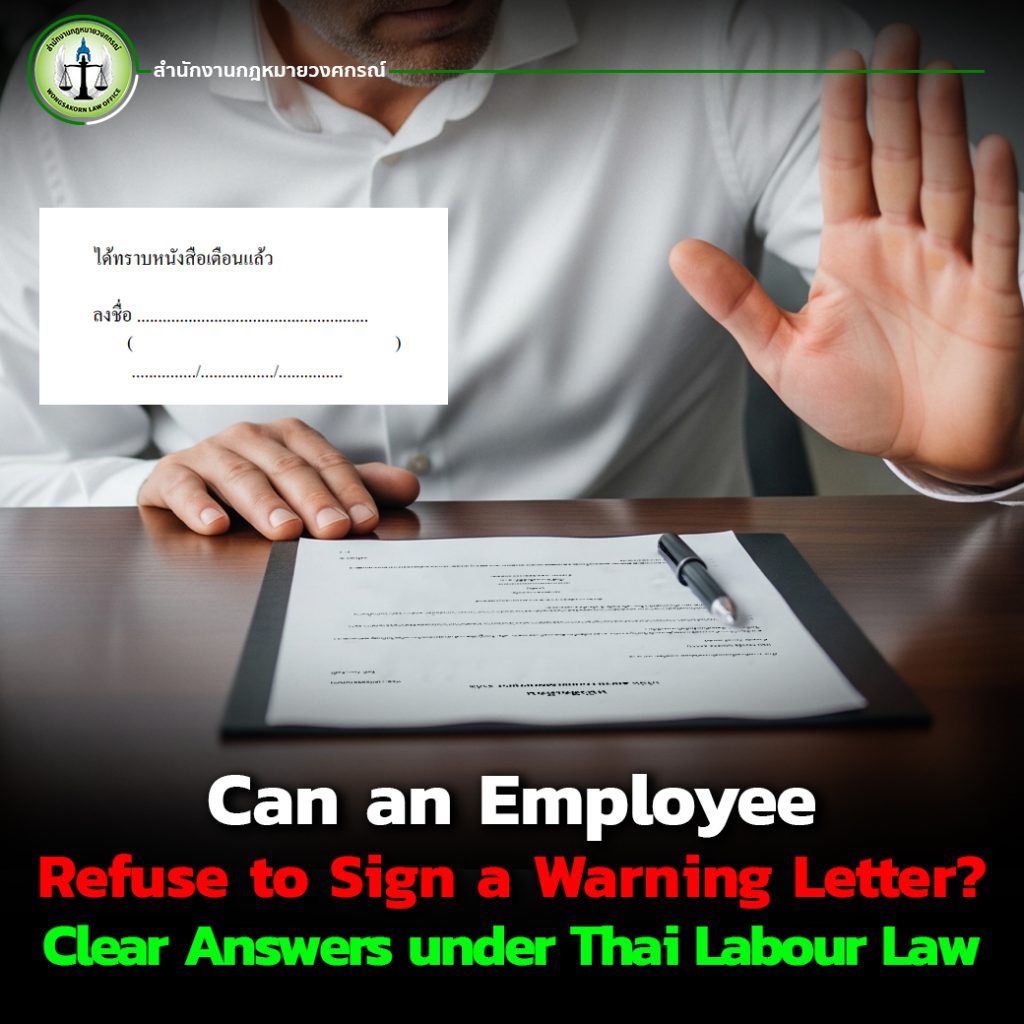
Can an Employee Refuse to Sign a Warning Letter? Clear Answers under Thai Labour Law

In human resources management, issuing warning letters to employees is common—especially if employees misbehave or violate company regulations. But what happens if an employee refuses to sign the letter? Can the employer still take disciplinary action, or is the employee considered defying a superior’s order?

This article by Wongsakorn Law Office dives into this issue from every angle and offers guidance for both employers and employees.

Does an employee’s refusal to sign mean defiance of a superior?

Absolutely not. Under Thai labour law, an employee does not commit wrongdoing simply by refusing to sign a warning letter—this refusal does not equate to defying an employer’s order.

There is no legal requirement for employees to sign warning letters to make them legally valid. The key requirement is that the employer must notify the employee clearly of the warning and its grounds.

How is a warning letter viewed under labour law?

A warning letter is an internal disciplinary tool:

  • It details misconduct like repeated lateness, fraud, or rule violations.
  • It serves as advisory documentation and can later support grounds for dismissal.

Importantly, not signing the letter does not nullify it, as long as the employee has been properly informed and is aware of the contents.

How employers can handle unsigned warnings?

If an employee refuses to sign, employers can still proceed by taking these lawful measures:

  • Read the warning aloud to the employee in the presence of a witness (e.g., supervisor or HR), and have the witness sign.
  • Video record the meeting, provided the employee has given verbal consent or it’s reasonable under the circumstances.
  • Send the letter by registered mail with delivery receipt to the employee’s address.
  • Document the refusal in writing, including details of the refusal and witness signatures.

These methods help employers show they have acted fairly and clearly notified the employee.

Refusing to sign is an employee’s right
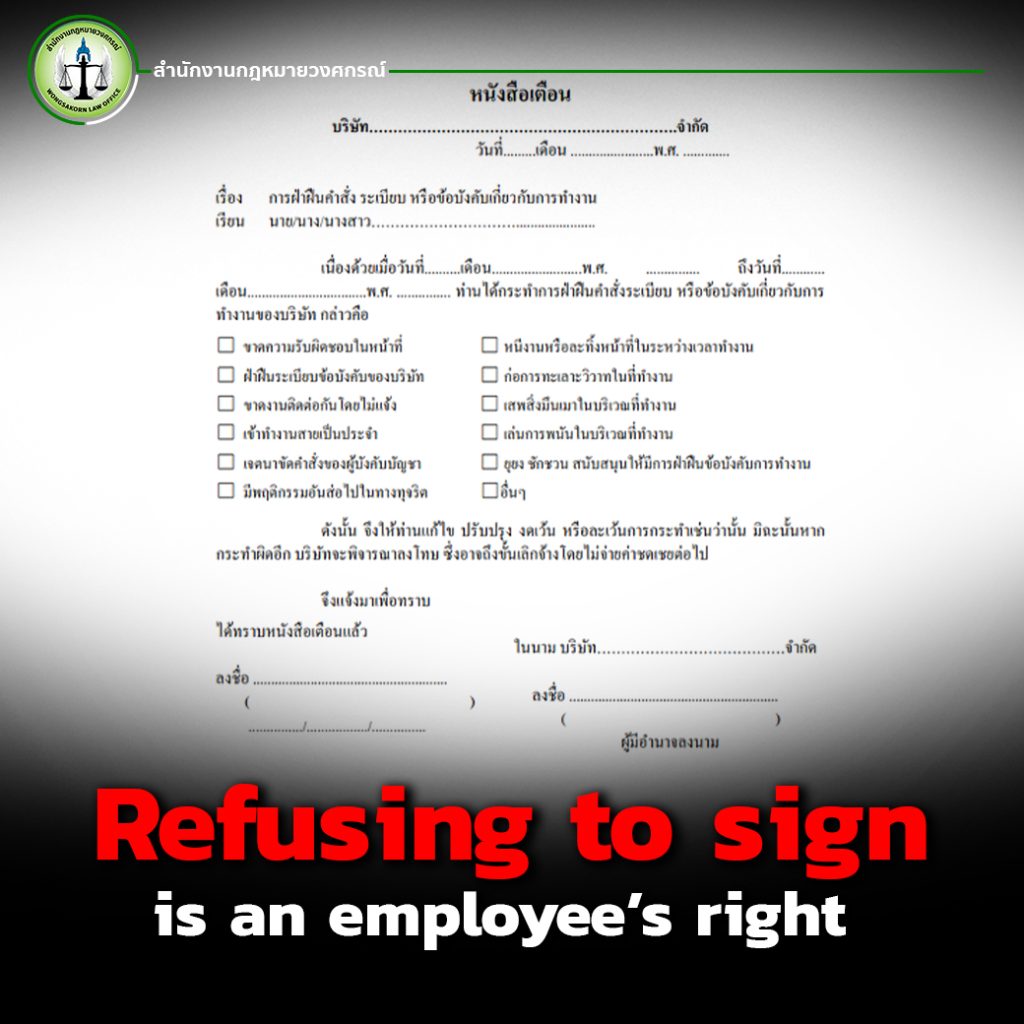
Employees have the right to refuse to sign if they believe the letter’s contents are incorrect or require clarification.

However, refusing to sign does not invalidate the warning: what matters legally is that the employee was notified and acknowledged (verbally or via other means) the warning.

Can the employer still proceed with disciplinary action?

Yes. If misconduct continues within the warning period, the employer may issue a second warning. In severe cases, the employer may terminate employment without compensation, under Section 119 of the Thai Labour Protection Act, when misconduct is serious enough to warrant immediate dismissal.

Employer’s legal checklist

To avoid legal risk, employers should:

  • Maintain clear documentation and records
  • Include witnesses at warning meetings
  • Regularly review internal policies and procedures
  • Consult with a lawyer before taking action in complex or disputed cases

Employees—know your rights and responsibilities
If you receive a warning and disagree with it:

  • Issue a written rebuttal or request a clarification meeting
  • Keep records of your work to protect your position
  • Seek legal consultation to guide your response

Summary

  • An employee’s refusal to sign a warning letter is not misconduct.
  • The employer can still issue the warning and begin disciplinary steps.
  • Both parties should understand their rights and obligations to foster fairness and avoid workplace disputes.

Whether you’re an employer or employee seeking clarity…

Wongsakorn Law Office is here to help. Our labour law experts offer consultations, mediation, and legal representation when needed. We assist both employers and employees in resolving conflicts professionally, preserving workplace harmony, and protecting everyone’s legal interests.

Contact us today to navigate warning letters, disciplinary actions, or any employment-related legal matter.

Who’s at Fault? Who Pays? Know Your Rights to Claim Compensation from Insurance Cases

Did you know? Car accidents are not just about vehicle damage or temporary injuries.
You may be entitled to claim compensation worth hundreds of thousands of baht if you know how to properly exercise your legal rights.

The Case Study: “Serious Injuries” and “Claim Compensation”

The case study we present today involves a victim riding a motorcycle who was suddenly cut off by a car turning in front of them, resulting in serious injuries.
Ultimately, the victim was able to claim compensation from the insurance company totaling 564,828.25 baht through arbitration proceedings.

Real Incident: Severely Injured by a Car Turning in Front

The victim was riding a motorcycle normally when suddenly a car coming from the opposite direction turned right abruptly cutting in front.
A severe collision occurred causing multiple bone fractures. The victim was hospitalized for 17 days and had to recuperate for over 2 months before regaining normal function.
Although the car involved had private insurance and the driver admitted negligence, the insurance company disputed responsibility and refused to pay the requested compensation, leading to arbitration.

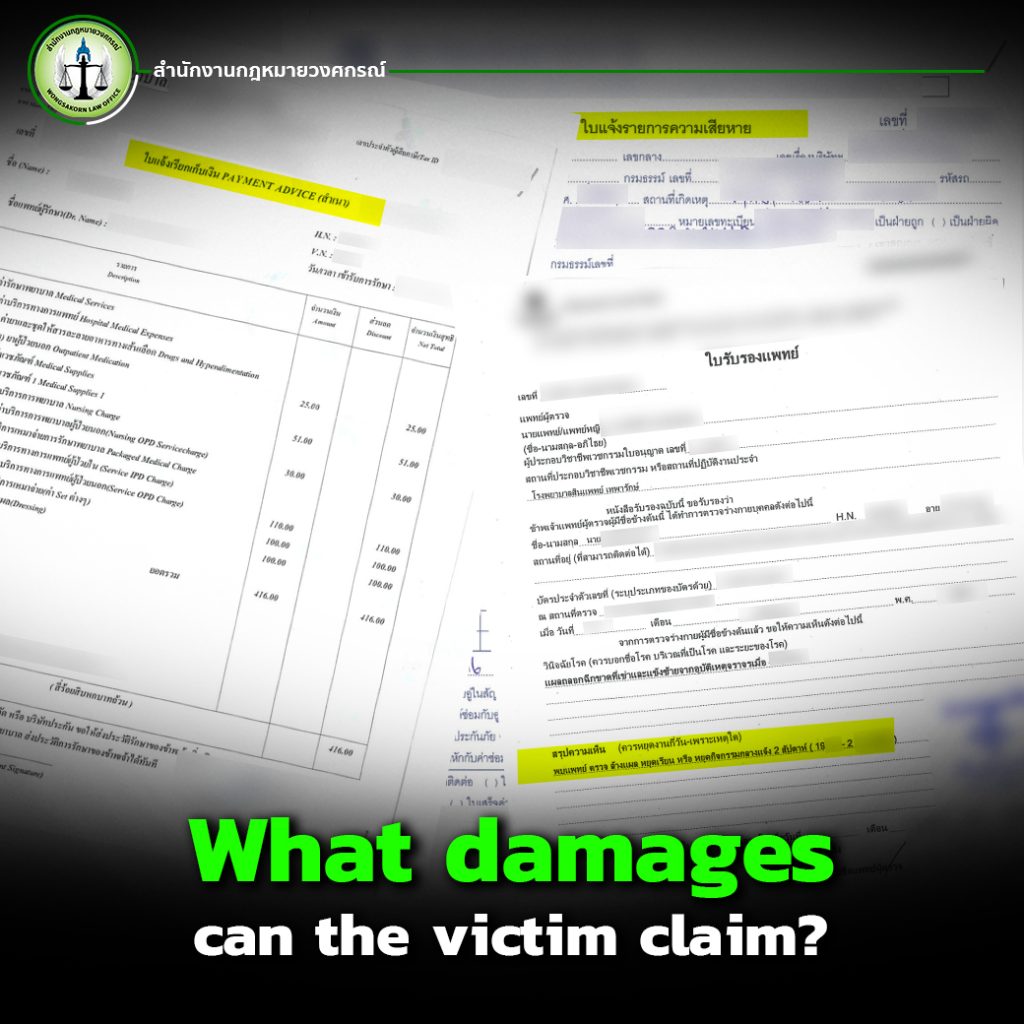
What damages can the victim claim?

According to the Civil and Commercial Code Sections 438 and 444, victims of accidents have the right to claim various compensations including:

  • Medical expenses, both past and future
  • Nurse wages and caregiver travel costs
  • Loss of income during illness, such as income from side jobs
  • Compensation for non-monetary damages such as pain and loss of normal life

These rights are very important because they help the victim return to life as close to normal as possible without bearing the financial burden alone.

Arbitration Result: Insurance Company Must Pay According to Victim’s Rights
The arbitrator examined all evidence and found the car driver clearly negligent, ruling that the insurance company must pay compensation as follows:

  • Medical expenses: 11,228.25 baht
  • Future medical expenses: 100,000 baht
  • Nurse wages and travel costs: 20,000 baht
  • Loss of income from side work: 33,600 baht

Compensation for physical and mental pain: 400,000 baht Total: 564,828.25 baht

Personal Opinion from the Team

 Even though the insured driver was a government official knowledgeable about the law and admitted fault,
the insurance company fought vigorously to deny responsibility. This shows that you should never be complacent even if the facts seem clear,
because insurance companies often dispute to reduce or avoid payment.

Another interesting point is about paying caregivers during illness.
Even if the victim has the caregiver’s ID card as proof, this is insufficient if the caregiver does not testify in person.
Incomplete evidence can lead courts or arbitrators to reject the claim immediately.

Don’t Be Complacent! You Have More Rights to Claim Compensation Than You Think
Many mistakenly believe that if they have free medical care from the government, such as civil servants or social security,
they cannot claim money from the responsible party or insurance company.
In fact, these rights do not exclude each other!
You can still claim future medical expenses, loss of income, and compensation for physical and mental damages if you have evidence and valid explanations.

Why Should You Have a Lawyer for Insurance Cases?

Having a lawyer specialized in insurance cases helps you preserve your rights because the lawyer will assist you in every step, including:

  • Assessing the damages you can claim
  • Collecting and organizing evidence
  • Negotiating with the insurance company
  • Professionally filing a lawsuit in court or arbitration

Wongsakorn Law Office – True Experts in Insurance Cases

 We are ready to support you at every stage of your case, whether it is advising, gathering evidence, or claiming full compensation down to the last baht.
Whether you are a victim of a car accident, insurance case, or other tort cases, WongSakorn is the legal team you can trust.

Consulting a lawyer from the start is the way to avoid disadvantage against insurance companies.
If you or someone close to you experiences an accident, remember that you have the right to claim medical expenses, loss of income, and compensation—just prepare your evidence and exercise your rights fully under the law.

WongSakorn Law Office is here to support you in every accident and insurance case,
ensuring you receive full legal rights without omission or disadvantage.
If you want our legal team to help evaluate your case, gather documents, or proceed with compensation claims,
contact us immediately. Because true justice begins with knowing your rights and using them correctly.

Thai Nationals Abroad: How to Manage Your Assets in Thailand — A Solution You Might Not Know

A New Life Abroad, but Assets Still in Thailand — Who Will Take Care of Them?

When many Thai nationals move overseas—for studies, work, or marriage to a foreign national—they often leave behind valuable assets in Thailand: land, houses, condos, bank accounts. The essential question is:

If you’re a Thai person living abroad and need to manage your assets in Thailand, what should you do?

 This is especially important if you cannot return immediately, or there’s no trusted relative in Thailand to handle things for you.

Real-Life Scenarios Faced by Thai Nationals Overseas

  • May, married to an Australian, has a young child and cannot return to Thailand. Meanwhile, her land in Samut Prakan has been encroached by neighbors.
  • Golf, working in Germany with a rented house in Nonthaburi. The tenant stopped paying rent, and he needs to file an eviction case.
  • Ploy, living in Japan with her Japanese husband, wants to transfer her car in Thailand to her sister but isn’t sure how to start.

If you’re a Thai national living abroad with assets back in Thailand, and you want to manage them properly, granting power of attorney to a Thai lawyer is a safe and legal solution.

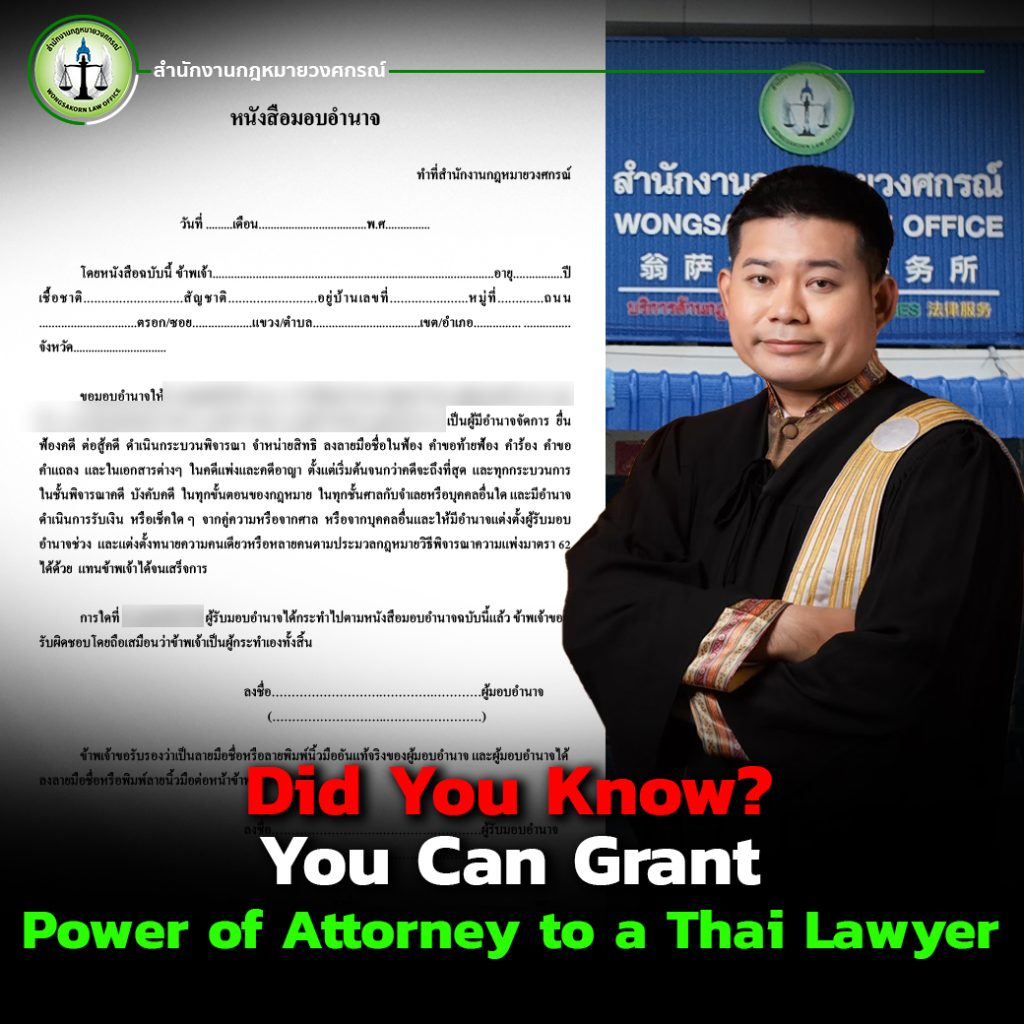
Did You Know? You Can Grant Power of Attorney to a Thai Lawyer

When you can’t be in Thailand to manage your assets in person, you’ll need a legal representative to act on your behalf. They can assist with tasks such as:

  • Interacting with government agencies
  • Extending rental agreements or suing tenants
  • Selling assets or transferring ownership
  • Protecting assets from encroachment
  • Managing taxes and filing land/property tax returns
  • Representing you in Thai courts

At Wongsakorn Law Office, we’ve assisted Thai nationals abroad with many legal matters. We manage assets under clear, transparent terms, with documented evidence at every step.

How to Grant Power of Attorney from Abroad

1.Contact a lawyer for initial consultation and specify your needs

2.Draft a Power of Attorney, which can be certified at a Thai embassy or consulate

3.Send the documents to Thailand via express post or DHL

4.Thai lawyer acts on your behalf—transfers assets, files reports, negotiates disputes

5.Get updates online via email, video calls, or LINE

This process ensures you don’t need to return to Thailand, saving time and minimizing stress.

Why Thai Nationals Abroad Should Plan Ahead?

“Assets in Thailand are valuable — without proper care, they can become problematic.”

You should manage your assets proactively to:

  • Prevent unauthorized occupation
  • Avoid unforeseen legal disputes
  • Ensure proper financial and tax planning
  • Simplify future transfers or sales
  • Protect your and your family’s interests

No Trustworthy Relative in Thailand? Here’s What You Do

If you don’t have a trusted family member to handle your affairs, appointing a lawyer as a neutral, professional representative is a reliable choice because they:

  • Act within the law
  • Hold ethical and professional responsibility
  • Maintain transparent record-keeping
  • Provide regular reporting
  • Avoid conflicts of interest

Consult Wongsakorn Law Office — A Trusted Partner for Thai Nationals Abroad

Wongsakorn Law Office understands the unique challenges faced by Thai nationals living overseas. We provide professional asset management services tailored to your situation—whether you’re in Europe, America, Japan, or anywhere else.

We handle everything from consultation, document drafting, and power of attorney processing, to full implementation and completion of your requests.

If you’re looking for a reliable legal advisor in Thailand, we’re ready to safeguard your rights as if you were here in person.

The Bottom Line for Thai Nationals Abroad

  • Have you married a foreign national and cannot frequently return to Thailand?
  • Do you own assets in Thailand that need managing?
  • Are you planning to transfer, sell, or service a property but can’t do it yourself?

Granting power of attorney to a trustworthy lawyer is the answer.
Click >>consult a lawyer<<

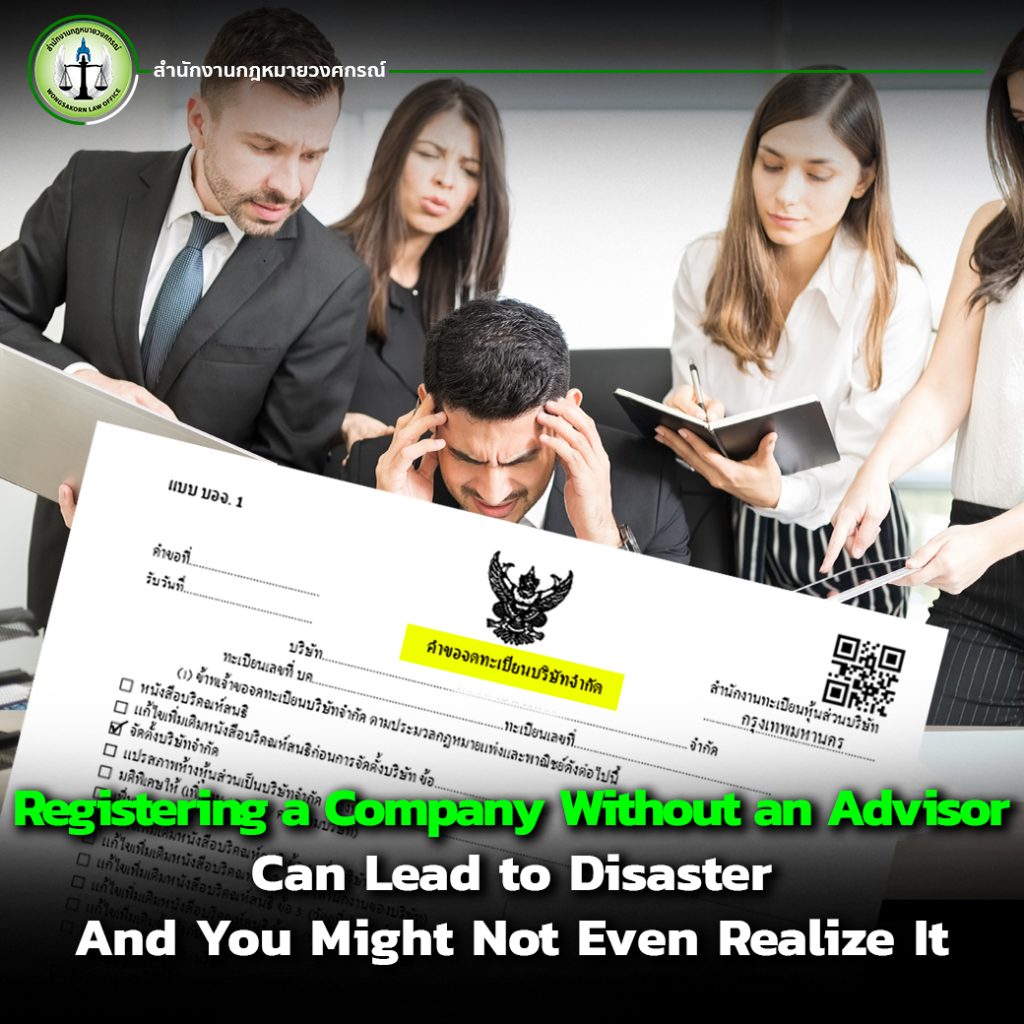
Registering a Company Without an Advisor Can Lead to Disaster—And You Might Not Even Realize It

In an era when everyone wants to start a new company, be their own boss, and build a stable income, registering a company has become the first step for many aspiring entrepreneurs once they have a business idea. But did you know? Registering a company without a business advisor or someone experienced to guide you could be the beginning of a catastrophe you never see coming.

Common Problems After Registering Without an Advisor

1.Choosing the wrong type of company
Many don’t realize the differences between a limited company, partnership, or sole proprietorship in terms of liability, taxes, and legal restrictions. Choosing wrongly from the start can result in overpaying taxes or being unable to expand as planned.

2.No financial planning for taxes and hidden costs
Business owners often lack understanding of VAT (Value Added Tax), withholding tax, and corporate income tax. Without proper financial planning, your company could experience a cash flow crisis in the first quarter.

3.Hiring employees without understanding labor relations
As your company grows, you may hire staff without clear contracts, performance systems, or knowledge of labor laws. This can lead to lawsuits or high turnover due to weak management standards.

4.No crisis-management plan
Many businesses face issues like intense price competition, pandemic-driven sales drops, or contractual disputes but don’t know how to respond, lacking legal or strategic advisers. As a result, they may have to shut down—even when solutions might have existed.

Starting a Business Requires Understanding, Not Just Courage

Courage to start is admirable—but understanding is essential. Starting a new company today needs more than capital and dreams; it demands well-rounded knowledge—from writing a business plan, structuring the company, setting up proper accounting and tax systems, to establishing sustainable operations.

Good Advisors = Reduced Risk, Increased Confidence

Think of launching your business like climbing a mountain without a map or guide. You could get lost or fall. But with an advisor who’s been there before, you’ll know which paths to avoid, which roads are safe, and where to pick up speed.

A good business advisor will help you:

  • Plan a company structure aligned with your goals
  • Prevent tax and legal issues from day one
  • Set up accurate accounting and documentation
  • Develop market-competitive strategies
  • Assist with negotiation or legal resolutions if disputes arise

Don’t Think “I Can Do It Myself”—You’ll End Up Fixing Everything

Many register a company online themselves or use the cheapest service without receiving in-depth guidance. While it saves money initially, it may end up costing exponentially more—issues like incorrect tax documents, IRS audits, faulty accounting, or being sued can arise.

To succeed in starting a new company, you need people who know more than you do.

As a business owner, you don’t have to know everything—but you do need a good team, especially an advisor who understands business challenges and helps you prevent problems before they happen.

Registering a Company? Make Sure You Have an Advisor—Don’t Wait Until It’s Too Late

Registering a company isn’t just a legal formality—it’s laying the foundation for a long-term business. If you’re planning to start a new company, don’t underestimate the value of a good advisor. Small mistakes can lead to major losses. If you want your business to survive beyond its first year, don’t skimp on what matters.

Hire a Lawyer: The Best Advisor from Day One

A frequent mistake among new entrepreneurs is overlooking the role of a lawyer, believing they’re only needed when legal trouble arises. In reality, consulting a lawyer before registering a company allows you to mitigate risks early—from drafting correct registration documents, choosing the right legal entity, reviewing shareholder agreements, preparing employment contracts, to ensuring compliance with tax and labor laws.

A lawyer does more than just represent you in court—they are strategic partners who help you make key business decisions wisely and reduce legal risk over time. The better you start, the better your company’s chances of success in the long run. Consult a lawyer >> Contact us <<

Can You Claim Insurance Compensation for Broken Teeth in a Car Accident?

A car accident doesn’t just damage vehicles—it can also seriously harm drivers and passengers. One common and painful injury is broken or loosened teeth due to impact, which isn’t just a cosmetic issue but a serious health concern requiring immediate treatment. So, in such cases, can you claim compensation from your insurer for “car crash with broken teeth”?

The answer is yes, but it depends on several factors: the type of car insurance you have, whether it covers personal accidents, and whether you have adequate documentation to support your claim.

Which Types of Car Insurance Cover Dental Injuries?

To claim dental treatment under car insurance, consider the following policy types:

1.Voluntary Car Insurance (Comprehensive – Class 1, 2+, 3+)

o    Class 1 typically covers both vehicle damage and bodily injury, including dental treatment for broken teeth.

o    Class 2+ and 3+ may cover personal accident injuries—but you must check the actual terms in your policy.

o    If your policy has a Personal Accident (PA) rider, it may cover dental treatment or broken teeth.

2.Compulsory Third-Party Liability Insurance (CTPL / พ.ร.บ.)

o    CTPL covers medical treatment up to 30,000 THB per person for injuries. If a broken tooth is part of that injury, you can claim it.

o    With a valid medical certificate and dental or hospital receipts, you can submit your claim accordingly.

Documents Required to Claim Dental Treatment

If you’re injured and experience dental trauma in an accident, gather these documents:

1.Copy of your insurance policy

2.Medical or dental certificate stating the injury (e.g., broken or loose teeth, need for crowns or implants)

3.Dental treatment receipts

4.Police accident report or daily log copy

5.Photos of the injuries or post-treatment (if available)

6.Copies of your ID card and house registration

Key Tips Before Filing a Dental Claim

  • Insurers may categorize treatment as “cosmetic” unless medical necessity is proven, so strong documentation is essential.
  • You can still claim excess coverage under Class 1 or a PA rider even after claiming CTPL.
  • Passengers can directly claim from the at-fault vehicle’s insurance.

What to Do If Your Claim Is Denied

If your insurer refuses or underpays your dental claim, do the following:

1.Consult a lawyer first to evaluate legal validity and policy terms, and to prepare legal action if severe injury or bad-faith denial occurs.

2.Contact your insurer and provide additional medical documents, e.g., detailed certificates.

3.File a complaint with the Office of Insurance Commission (OIC) to seek mediation.

How Legal Help Can Make a Difference

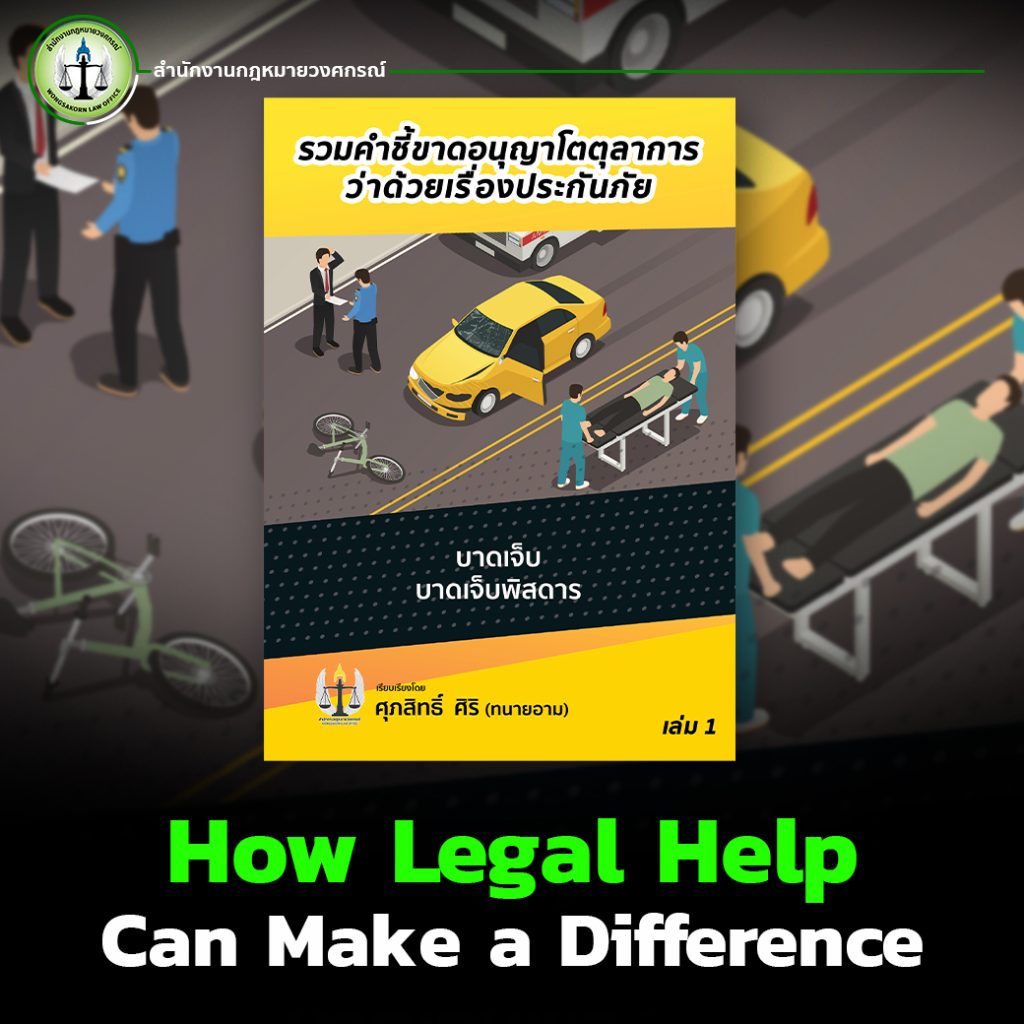
A real arbitration case illustrates the importance of legal representation. In Arbitration Case No. 217/2561 (Sourced from Arbitration Decisions on Insurance Injury, by Supasit Siri, Attorney Arm):

  • Claimant requested ~900,000 THB—including medical costs, future treatment, lost income, and mental distress.
  • Insurer contested the high amount and cited a 500,000 THB coverage limit.
  • Arbitrators awarded 379,310 THB (with interest), breaking down as:
    • Future dental treatment: 100,000 THB
    • Lost income during recovery: 29,310 THB
    • Future earning capacity loss: 100,000 THB
    • Non-economic damages: 150,000 THB
    • Plus legal interest of 15% p.a.

This case shows dental injury claims are complex. Legal guidance can ensure you receive what you rightfully deserve.

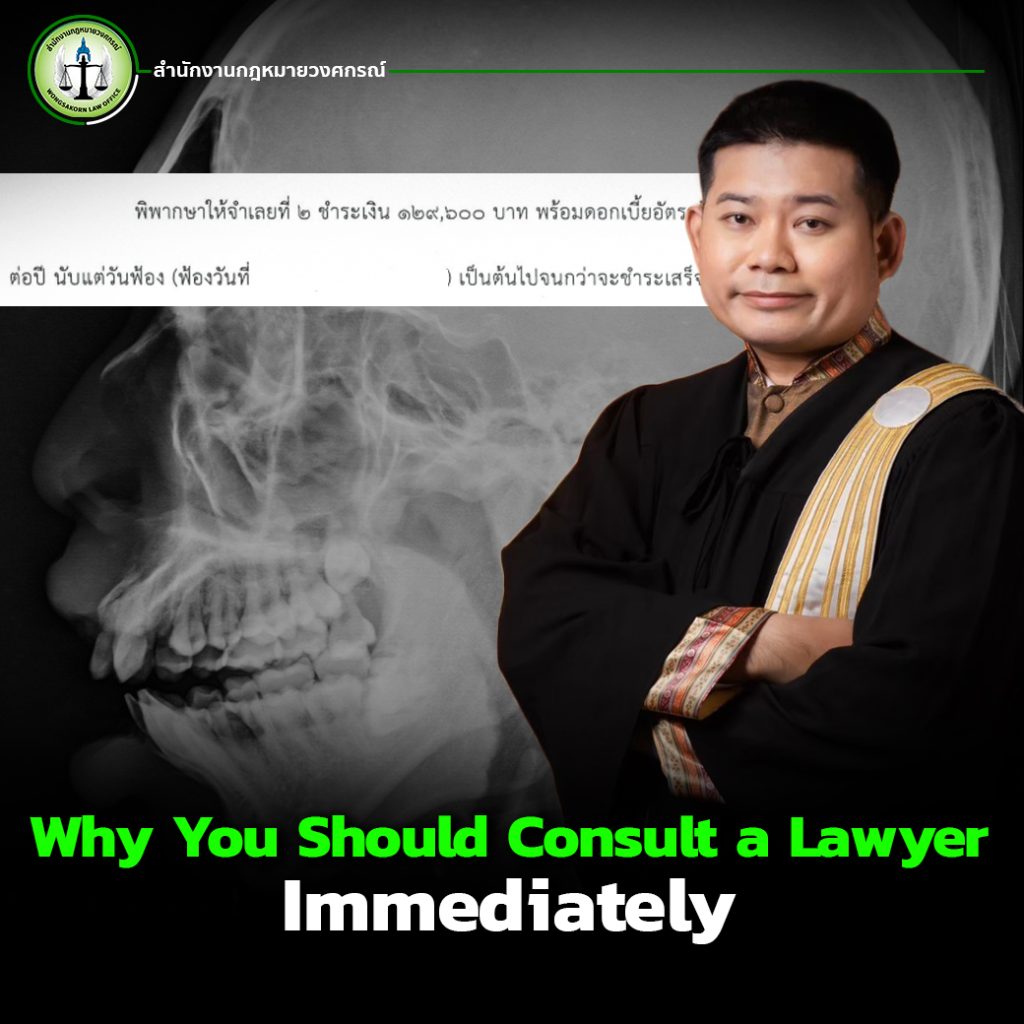
Why You Should Consult a Lawyer Immediately?

Consulting a lawyer first is the most effective way to protect your rights. A legal expert can help you draft demand letters, file police reports, review policy details, and pursue litigation when necessary. With legal support, you’ll be equipped to claim full compensation—covering medical bills, lost wages, and emotional harm—without being shortchanged by insurers.

Summary

  • In case of a car crash with broken teeth, you may claim under CTPL and voluntary insurance (Class 1 or PA rider).
  • Prepare full documentation and understand your policy.
  • If your claim is unjustly denied, consult a lawyer first, then follow up with the insurer and OIC if needed.

🔑 Remember: Protect your rights and ensure you receive all the compensation you deserve.

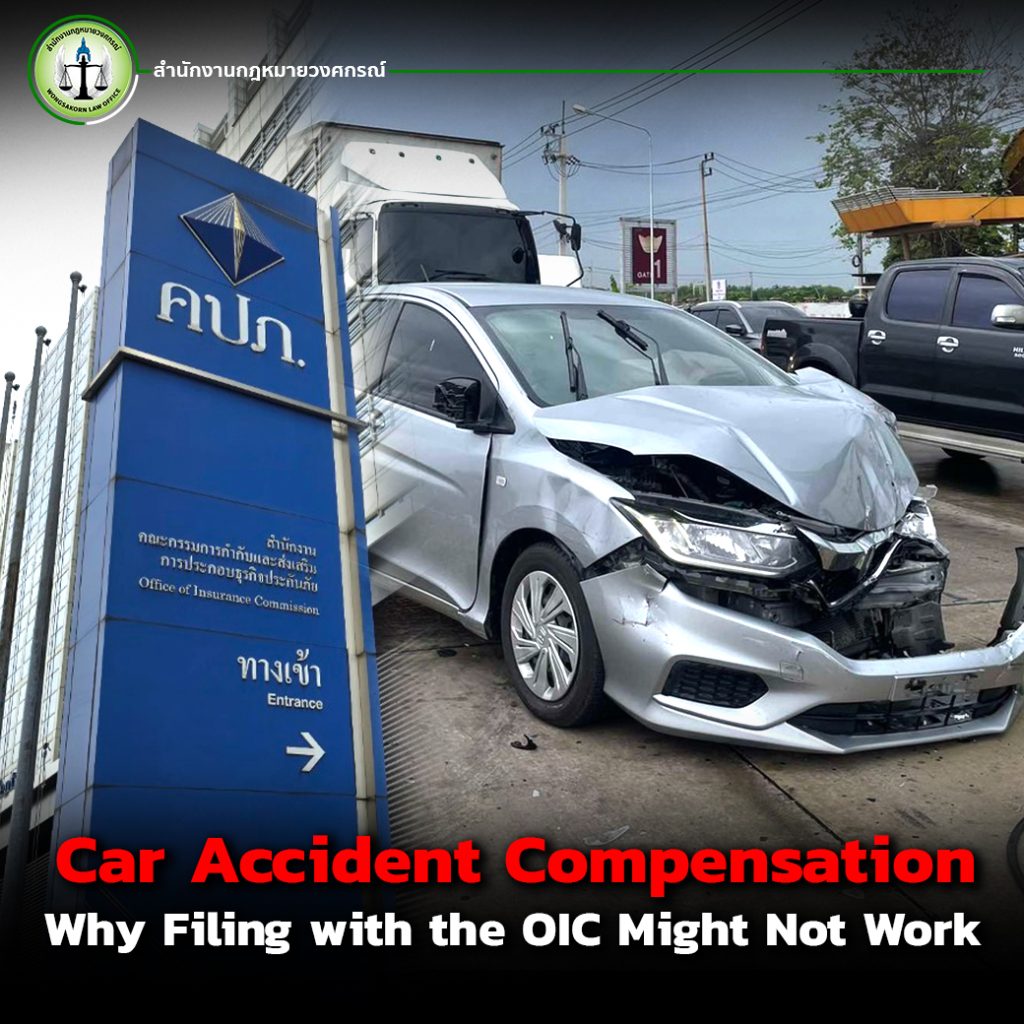
Car Accident Compensation: Why Filing with the OIC Might Not Work

Stay one step ahead of insurers—and protect your rights before it’s too late

When a road accident happens, many people assume that having insurance is enough. But in reality, claiming compensation—especially for “loss of use” of your vehicle—is not an easy matter. This often leads to lengthy disputes between the victim and the insurer. In many cases, even filing a complaint with the Office of Insurance Commission (OIC) may not yield results, especially if you lack legal knowledge or professional guidance.


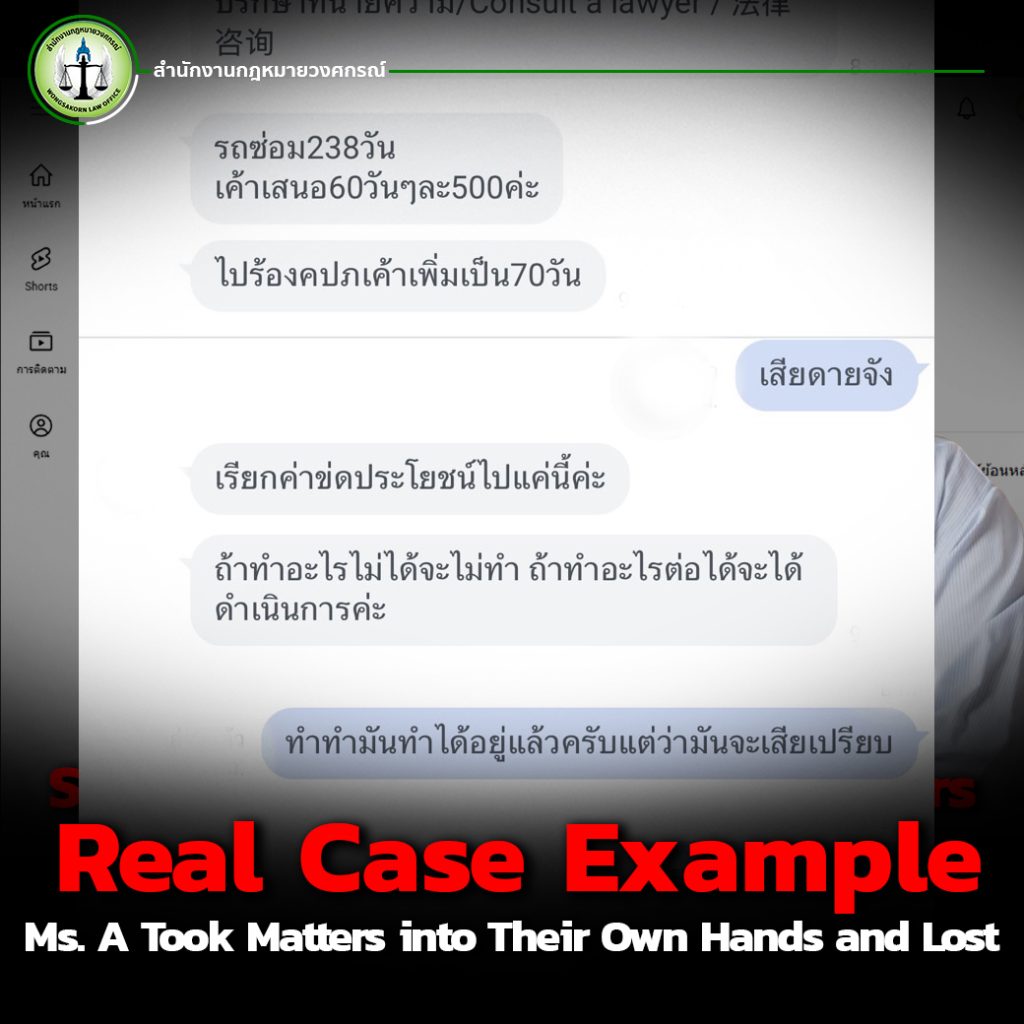
Real Case Example: Ms. A Took Matters into Their Own Hands—and Lost

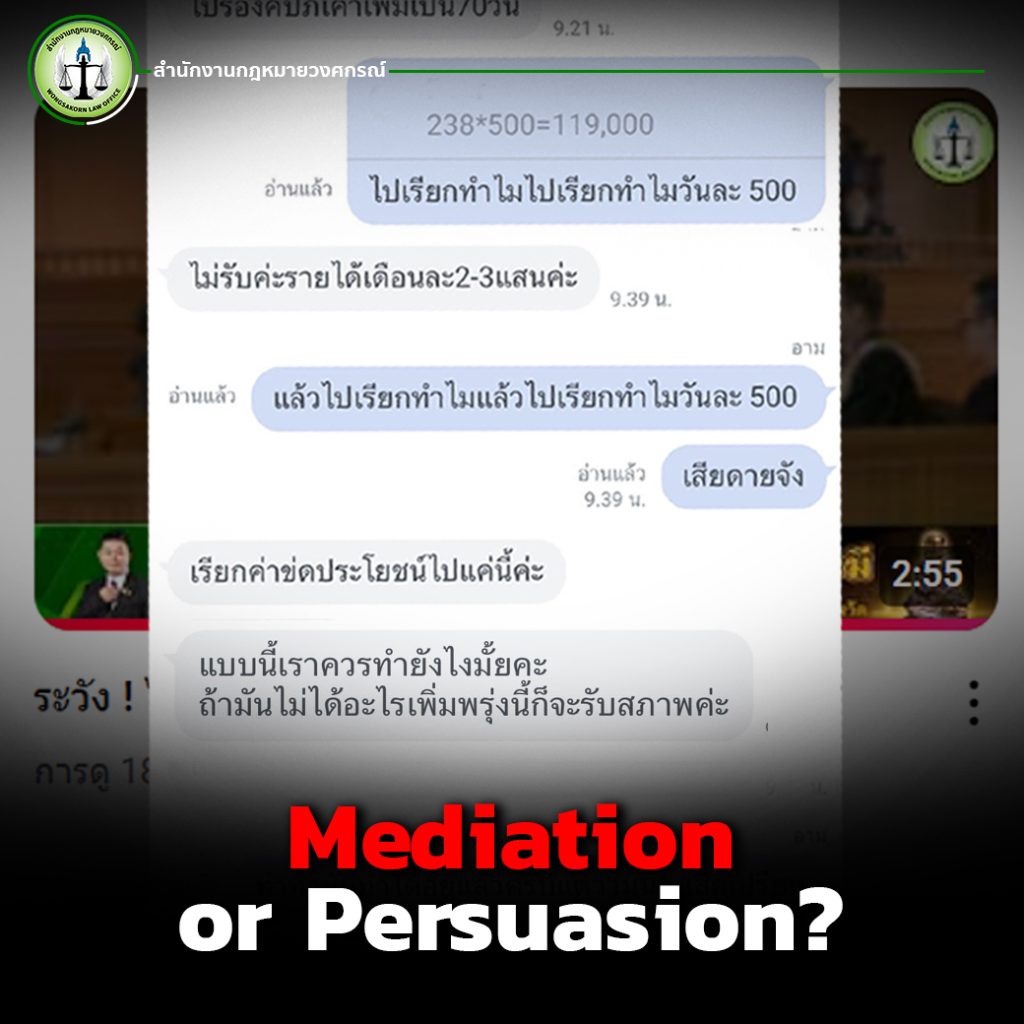
In a clear example, Ms. A was involved in a car accident on July 10, 2024, and their car required 240 days of repairs. When they filed for “loss-of-use compensation,” the insurer offered only THB 500 per day for 60 days, totaling THB 30,000. Believing it was unfair, they filed a complaint with the OIC themselves. The OIC mediated, and the insurer increased the offer to 70 daysTHB 35,000—still far below their actual loss.

Mediation—or Persuasion?

Feeling unjustly treated, Mr./Ms. A then consulted Wongsakorn Law Office and spoke with Lawyer Arm, a specialist in insurance claims. But it was too late. Because the victim had initiated mediation before obtaining legal advice, they were at a disadvantage from the beginning.

Lawyer Arm explains:

“Mediation without knowledge often becomes persuasion—insurance companies come prepared with legal teams, negotiation tactics, even psychological strategies. If the victim lacks knowledge, they may agree to subpar deals, unknowingly giving up rights.”

Did You Know? You Can Claim More Than THB  500 Per Day!

Many believe “loss-of-use compensation” is capped at THB300–500/day, but in truth, if you can prove actual financial loss—e.g., using the vehicle for business or delivery—you may claim THB800–1,500 per day, depending on evidence and circumstances.

Key Point: Knowledge and Strategy Are Essential

Insurance companies often start with low offers. Without negotiation, proper documentation, or legal support, you risk losing deserving compensation.

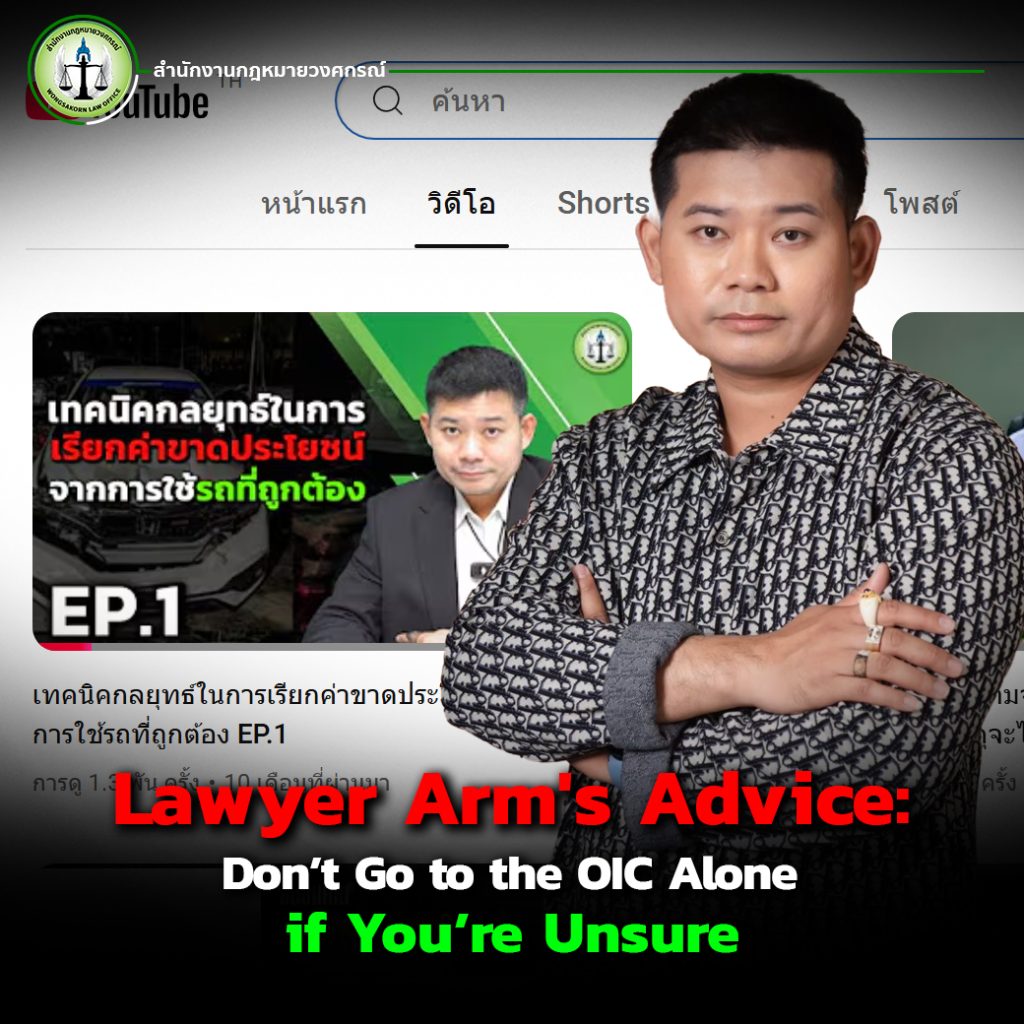
Lawyer Arm’s Advice: Don’t Go to the OIC Alone if You’re Unsure

Many see the OIC as a last resort—which is true in theory. But in practice, if you go in without a plan or expert support, you might fall victim to what’s known as “rights-reducing mediation.” Insurers may use this stage to push you into accepting less, hoping to close the case quickly.

“If you intend to file with the OIC, hire a lawyer from the start—or at least seek legal advice beforehand.”
Once you’re at a disadvantage in OIC mediation, reversing or reclaiming your rights is extremely difficult, and you may lose them entirely.

Don’t Be Unnecessarily Disadvantaged!

🔍 Watch Lawyer Arm’s video tutorial series:

Key Takeaways

  • Don’t underestimate insurance companies—they have teams and tactics ready before any accident occurs.
  • You can claim more compensation than you may think.
  • Filing with the OIC without preparation may put you at legal disadvantage.
  • Consult an attorney from the start—that’s your best defense.
  • Don’t wait until you’ve lost your rights like Mr./Ms. A.

If you want to avoid going through a frustrating, unfair process, contact Wongsakorn Law Office today—or click “Contact Us” on their website.

“Arrest Warrant” — Don’t Panic! You Can File a Petition to Revoke It If You’re Not Involved in the Case

The word “arrest warrant” often causes fear or confusion. In Thailand, an arrest warrant is a legal document issued by a court authorizing the police to detain a person in a criminal case. However, many people have been wrongfully issued a warrant, either due to mistaken identity or not being involved in the case at all.

If you find yourself in such a situation, you can file a petition to revoke the arrest warrant with the court.

What is an Arrest Warrant?

An arrest warrant is issued by a court at the request of an investigator, based on reasonable belief that a person has committed a crime and is unlikely to voluntarily appear in response to a summons.

Having a warrant can lead to immediate arrest, damage to your reputation, and denial of bail.

What to Do If You Have an Arrest Warrant

Stay calm and don’t ignore it. The first and most important step is to consult a lawyer immediately. If you’re not involved in the crime or didn’t intend to flee, your lawyer can help file a petition to revoke the warrant.

You may be eligible to revoke the warrant if:

  • You never received a summons and did not intend to flee
  • You were mistaken for someone else with the same name
  • You have proof you’re not involved in the case
  • You were abroad or medically unfit to appear

Don’t Surrender Without Preparation

Turning yourself in without legal support may result in detention without the chance to explain or request bail. A lawyer can coordinate with investigators, clarify facts, and prepare necessary petitions to protect your rights.

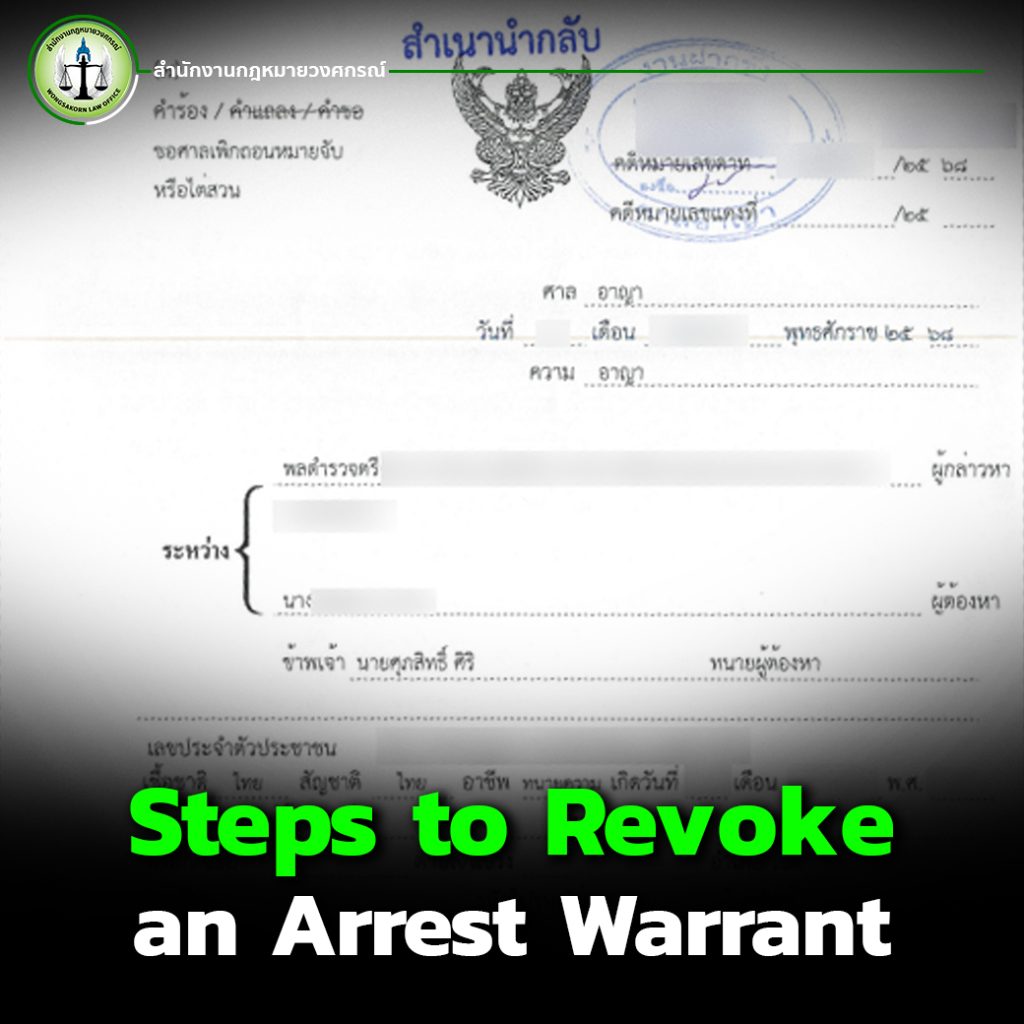
Steps to Revoke an Arrest Warrant

Since the process involves legal procedures, it’s best handled by a lawyer:

1.Verify the warrant – through police or national databases

2.Gather evidence – such as travel records, medical documents, or proof of non-involvement

3.File the petition – your lawyer will submit it to the court with all supporting documents

4.Await court decision – if the court is convinced, it may revoke the warrant

Why Act Quickly?

Delaying action increases your risk of arrest without warning or bail. You could also be seen as uncooperative or as having fled intentionally.

Lawyer’s Advice: “A warrant is not the end. If you’re innocent, act before you’re arrested.”

If you believe you’ve been wrongly targeted, revoking the arrest warrant is the best solution — and it must be done urgently.

Wongsakorn Law Office offers professional services to help investigate and file petitions to revoke arrest warrants. If you suspect or know there’s a warrant against you, don’t wait. Contact us immediately. We’ll help you handle it safely and legally.

A Message to Greedy Victims: Want Compensation Without Hiring a Lawyer?

When an accident changes your life in just a split second, many victims believe they can handle everything themselves—from negotiating compensation, dealing with the insurance company, to even taking legal action. But in reality, the complexity of legal procedures does not grant everyone a fair outcome—especially when your case involves shared fault and an insurance company that’s reluctant to pay.

When an accident changes your life in just a split second, many victims believe they can handle everything themselves—from negotiating compensation, dealing with the insurance company, to even taking legal action. But in reality, the complexity of legal procedures does not grant everyone a fair outcome—especially when your case involves shared fault and an insurance company that’s reluctant to pay.

With shared fault, obtaining compensation from an insurance company becomes far from simple. The victim contacted an insurance litigation lawyer for help. However, the major obstacle was the victim’s unwillingness to pay for legal services, despite the fact that the lawyer was the reason compensation could be obtained. In contrast, the victim had previously tried to deal with the insurance company alone—and got nothing—due to lack of legal knowledge, negotiation skills, and strategic communication.

Why You Need an Insurance Lawyer?

Insurance claims are more complicated than most people think, involving civil law, criminal law, and contract interpretation. Without legal knowledge, a victim can be taken advantage of. Here’s why hiring a lawyer is essential:

1.Policy Exclusion Interpretation
Insurance companies often cite exclusions to deny payouts. A skilled lawyer can legally challenge those claims with precision.

2.Fair Damage Assessment
Compensation isn’t just about medical bills. It includes lost income, mental distress, and more. Without a lawyer, victims may receive much less than they deserve—or nothing at all.

3.Proper Legal Action
When an insurance company refuses to pay, filing a lawsuit may be the only option. But without a lawyer, the case could be filed incorrectly and be dismissed.

In many cases, victims fail to get compensation simply because they lack negotiation skills or present the facts poorly. A lawyer who specializes in insurance cases knows how to argue, what laws to cite, and what documents are necessary to win or settle fairly.

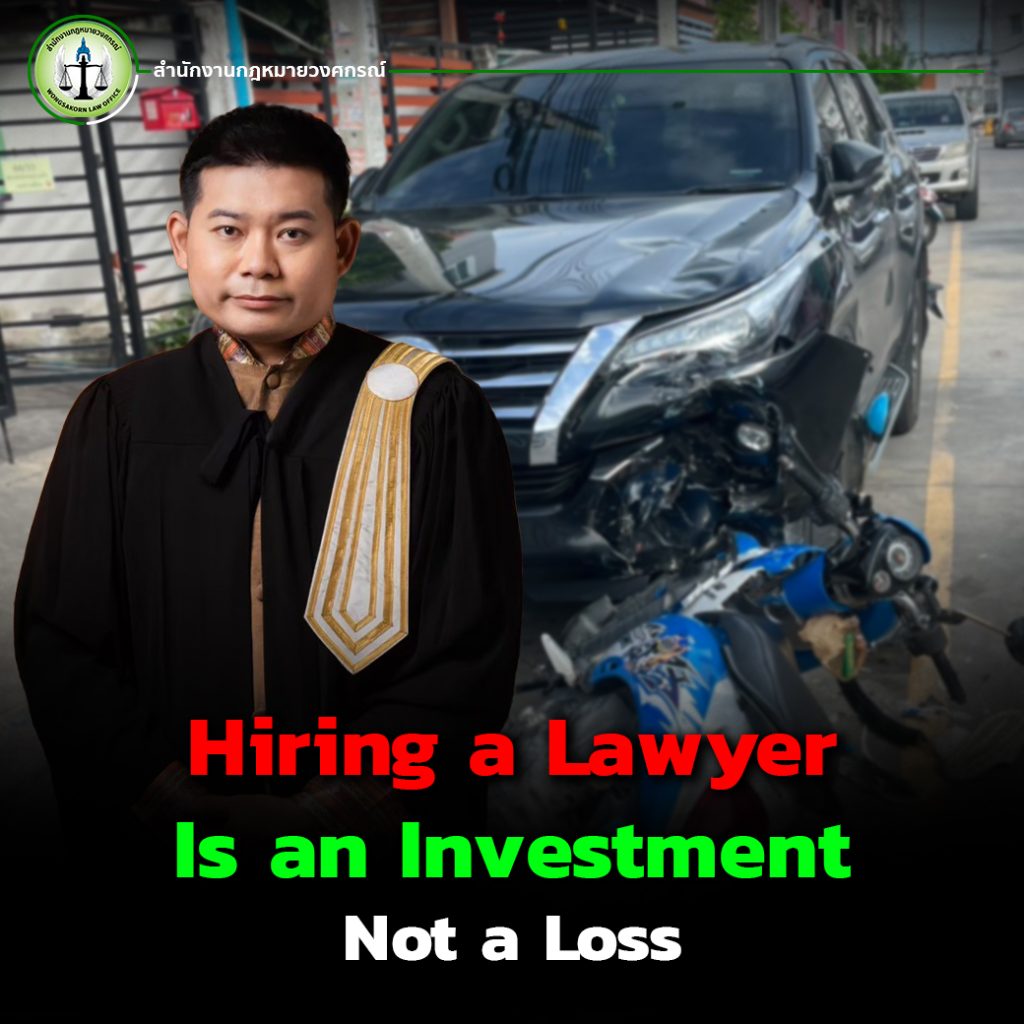
Hiring a Lawyer Is an Investment—Not a Loss

Some people fear that hiring a lawyer is too expensive or won’t be worth it. But in truth, paying for legal expertise means buying time, fairness, and results. While some victims try to represent themselves and get nothing, others who hire lawyers often receive hundreds of thousands—or even millions—in compensation.

A lawyer does more than just fill out forms. They create a legal strategy, counter the insurance company’s arguments, and use their network of legal knowledge to protect your interests.

Don’t Let Greed Cost You Everything

If you lost your leg in an accident, is it really worth handling everything alone just to save legal fees? Or would it be better to have a dedicated insurance lawyer by your side, fighting for your rightful medical and damage compensation?

Greed blinds judgment. Hoping to get full compensation without paying anything is unrealistic—especially when facing insurance companies with entire legal teams trained to minimize payouts.

Accidents are unpredictable, but how you respond matters most. Don’t let your own greed ruin your chances of recovery. If you hire an insurance lawyer, you may end up gaining far more than you expect.

📞 Consult with an Insurance Case Lawyer Contact Us

Foreigners Blacklisted or Imprisoned in Thailand – How to Solve This Problem?

In recent years, Thailand has become a popular destination for foreigners worldwide — whether for tourism, residency, business, or retirement. However, some foreigners face serious legal problems, including being blacklisted or imprisoned in Thailand, which can significantly affect their lives. In some cases, they are banned from entering Thailand for life.

This article explains why foreigners may be imprisoned in Thailand, what a blacklist means, and what to do if you or someone you know is in this situation.

Why Do Foreigners Get Imprisoned in Thailand?

1.Violation of Thai Laws
Many foreigners unintentionally violate Thai laws, such as overstaying visas, possessing illegal drugs, working without a permit, or committing fraud. Although some claim they “didn’t know the law,” this is rarely accepted as a valid legal excuse. Courts may still issue prison sentences according to Thai law.

2.Criminal Offenses
Foreigners who commit crimes like fraud, assault, or sexual offenses in Thailand are prosecuted under Thai law, just like Thai citizens. Being a foreigner does not exempt one from punishment, which can include imprisonment or deportation.

3. Business or Tax Offenses
Some foreigners establish businesses using nominees or evade taxes due to a lack of understanding of local laws. These actions can lead to criminal charges and imprisonment.

What Is a Blacklist?

A “blacklist” is a list of individuals banned from entering Thailand or conducting legal transactions. Reasons include:

  • Overstaying visa for more than 90 days
  • Having served a prison sentence in Thailand
  • Outstanding arrest warrants
  • Behaving in ways deemed a threat to public order or morality

Blacklisting may last for years or even a lifetime in severe cases.

Does Imprisonment Mean No More Chances?

Although imprisonment is serious, it doesn’t always mean the end of all hope. If the accused shows remorse, compensates the victim, and receives proper legal help, there may be options such as:

  • Requesting bail during trial
  • Appealing the verdict or negotiating settlements
  • Requesting extradition (if applicable under treaty agreements)

How to Handle Imprisonment or Blacklisting

If you or your family member faces such a situation, take prompt action:

1.Consult an Experienced Thai Lawyer
A lawyer can assess the situation, recommend legal solutions, and help minimize long-term impacts such as permanent blacklisting.

2.Contact Your Embassy
Embassies often assist their citizens abroad, offering visits, advice, or contacting family members.

3.Gather Supporting Documents
Collect documents like character references, tax records, or community involvement photos. These can support bail or reduced sentences.

4.For Blacklisting: Request Removal
After serving time and being deported, you may be eligible to request removal from the blacklist. This requires a waiting period and documentation showing rehabilitation.

Prevention Is Better Than Cure

Foreigners should take proactive steps:

  • Learn basic Thai laws before arrival
  • Never work or conduct business without legal permits
  • Avoid illegal agents offering company registration or visas
  • Always follow legal visa requirements and renewals

Imprisonment in Thailand Is Serious – Consult a Legal Expert

Getting imprisoned in Thailand can lead to blacklisting and deportation. But with timely legal advice, there’s still a way forward.

👉 If you or someone close is facing legal issues in Thailand, consult a lawyer with experience in handling foreigner cases to fully protect your rights. Click >>Contact Us<<

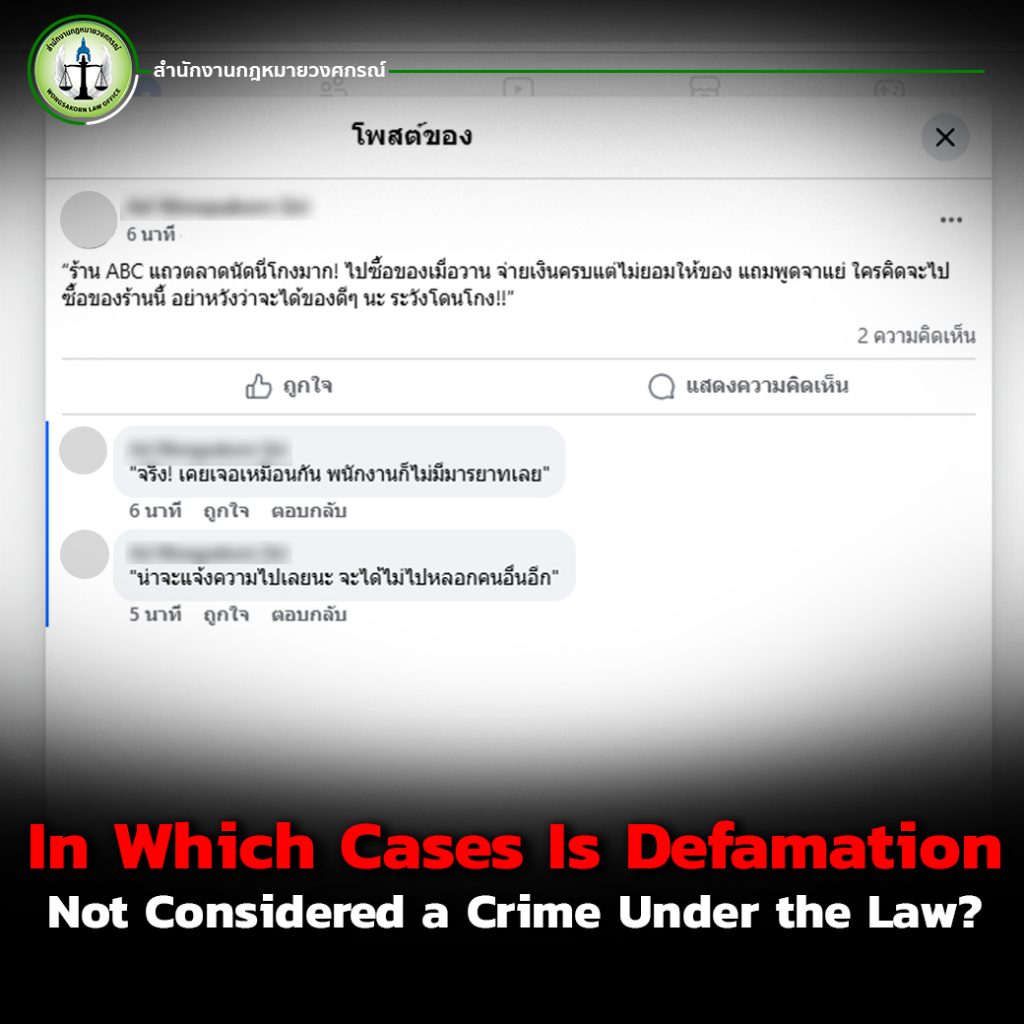
In Which Cases Is Defamation Not Considered a Crime Under the Law?

In the era of social media, expressing opinions, posting, sharing, or criticizing others has become a daily occurrence. However, many times these actions may unknowingly lead to charges of “defamation.” Nevertheless, not every case of speaking negatively about someone is always considered illegal. The Criminal Code, Section 329, clearly provides exceptions where such speech is “not considered a crime” if it falls under the legal provisions.

This article will help you understand the types of cases in which, although the conduct may amount to defamation, it is not considered a crime because it is justified and protected by law.

What is Defamation?

According to Section 326 of the Criminal Code:
“Whoever makes a false statement about another person to a third party in a manner likely to damage that person’s reputation, cause them to be despised or hated, commits the offense of defamation.”

The act of “making a false statement” can occur through spoken words, writing, posting messages online, sending private messages, or any action that causes others to believe negatively about the person, resulting in harm to that individual.

The penalties for defamation range from imprisonment for up to 1 year, a fine of up to 20,000 baht, or both. The penalties may be more severe if the offense is committed publicly (Section 328).

Exceptions: “Not Guilty of Defamation” under Section 329

Even if the statements cause damage to another person, if there is a justifiable reason or the act is protected by law, it is not considered an offense. Clear examples of exceptions under Section 329 include:

1. Opinions or Statements Made in Court
“Any opinion or statement made by a party, lawyer, or witness during judicial proceedings.”
This includes testimonies, witness statements, or factual declarations made in court. If done in good faith, these are not considered defamation—even if the statements damage someone’s reputation.

2. Honest Criticism
“An expression of opinion or criticism made in good faith.”
The law recognizes the following types of criticism as not being offenses if made honestly:

  • Criticizing someone’s actions for public benefit
  • Criticizing government officials or public office holders
    Criticism made in the capacity of a teacher, instructor, or supervisor
    Criticism of individuals who voluntarily present themselves to the public, such as singers, actors, or politicians
  • Expressing opinions on publicly disclosed works such as books, TV shows, songs, or articles

It’s important that these criticisms are made in good faith, not intended to cause harm, and kept within reasonable limits—such as constructive feedback rather than public shaming or insults.

3. Protection of Lawful Rights or Interests
“The act of reporting, expressing opinions, or making allegations to officials so they may carry out their official duties.”
If you file a police report, give information to authorities, or submit a complaint to a government agency in good faith and with supporting evidence, such actions are not considered defamation—even if they involve negative statements about others.

Real-Life Examples of When ‘Speaking Out’ Is Not a Crime

  1. An employee posts publicly about an employer who failed to pay wages If the post is made in good faith, with supporting evidence, and without exaggeration or malicious intent, the court may consider it a truthful expression of opinion made for the public benefit.
  2. A journalist criticizes a politician
    If the information presented is based on verifiable facts and the language used is not excessively insulting or defamatory, it would not be considered an offense.
  3. Residents file a complaint about government officials 

involved in corruption If the allegations are supported by evidence and reported to the appropriate authority, it is not regarded as defamation under the law.

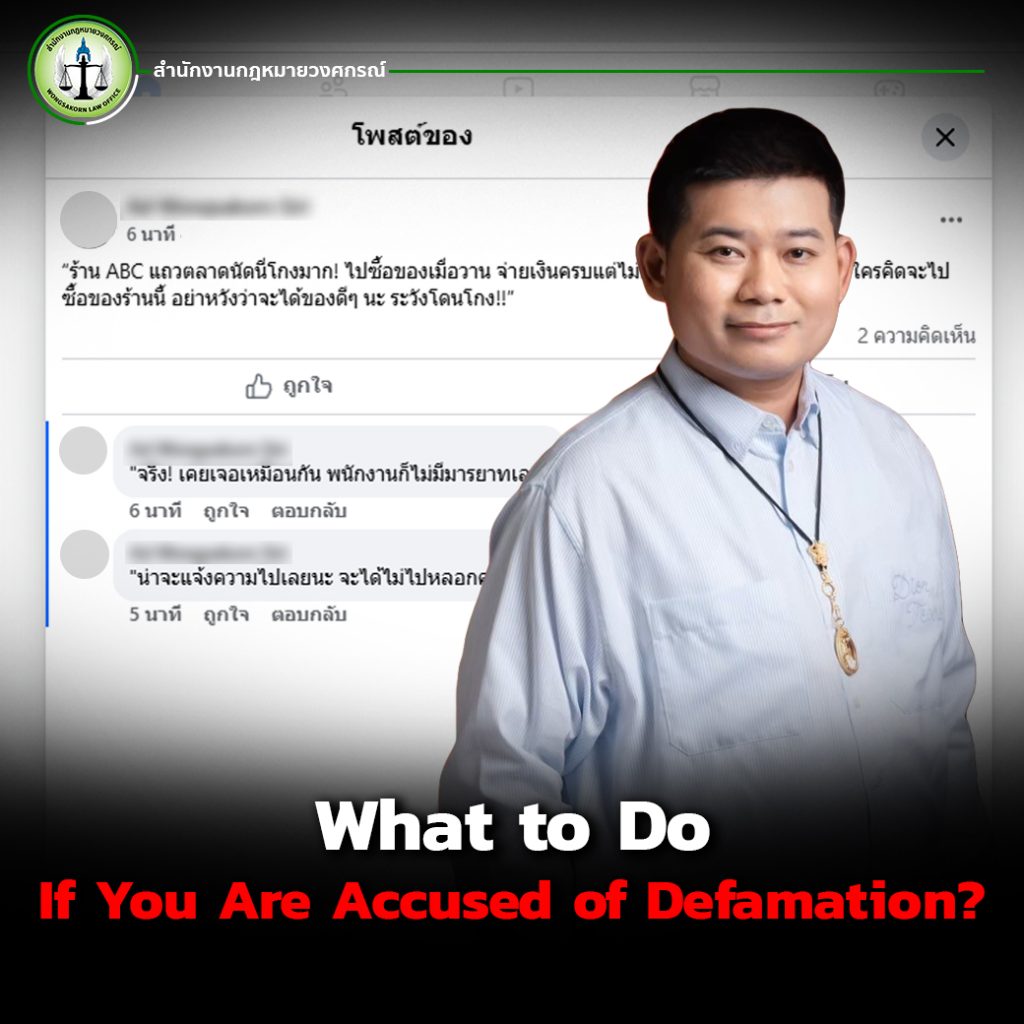
What to Do If You Are Accused of Defamation?

If you have been accused of defamation and believe that your actions fall within the legal exceptions, you should take the following steps:

  1. Gather evidence that shows your intention was in good faith — such as proof of unpaid wages, screenshots, photos, or chat logs that support your claims.
  2. Avoid posting further responses that might be considered repeated or additional defamatory statements.
  3. Consult a lawyer immediately to assess whether your actions fall under any legal exceptions and to plan a clear strategy for defending your case.

Defamation Is Not Always a Crime — If Made in Good Faith

Even if you are accused of defamation, your actions may not be considered unlawful if they meet one of the following legal exceptions:

  • It was a good-faith critique made in the public interest
  • It was a report or accusation made to a public official with authority
  • It was an opinion or statement made in court proceedings
  • It was an honest opinion made within reasonable limits

These situations are protected under Section 329 of the Thai Criminal Code, which provides exceptions to defamation liability.

If you or someone you know is accused of defamation, do not panic or admit guilt immediately. Instead, consult a defamation lawyer promptly to plan a clear defense strategy and fully protect your rights.

👉 Click here to consult a defamation lawyer.
Line @ คลิก! โทรหาเรา คลิก!