How to Write an Insurance Claim and Why a Legal Expert Should Handle It?

When accidents or unexpected events cause damage to property or injury, filing an insurance claim is a critical step for policyholders. Although it may appear simple—just submit some documents and wait for compensation—the reality is often much more complex. The process involves legal technicalities, negotiation, and precise wording in documentation.

This article outlines how to write a proper insurance claim and explains why having a legal expert handle it offers a clear advantage.

What is Insurance Compensation?

Insurance compensation refers to the amount the insurance company must pay to the insured or affected party when a covered incident occurs, such as a car accident, house fire, flood, or injury.

Even though your policy might cover the loss, you must still file a claim and present sufficient evidence for the insurance company to approve the payout.

Steps to File an Insurance Claim

1.      Notify the insurer immediately
Call the number provided in the policy to receive a claim number and initial guidance.

2.      Collect all necessary evidence

o    Photos of damage

o    Insurance company’s incident report

o    Police report (if applicable)

o    Medical certificate and treatment receipts

o    Property repair estimate

3.      Write a formal compensation claim letter

How to Write a Compensation Claim Letter

Structure:

  • Letterhead with your name and address
  • Name of insurance company
  • Date
  • Subject: Request for insurance compensation for Policy No. XXXX

Content:
Explain the incident and specify the damage and amount claimed, for example:

“I, Mr./Ms. …, insured under policy number …, experienced an accident on … which resulted in property damage and personal injury. I hereby claim compensation in the amount of … THB (see attached documents).”

Important phrase to include:

“I hereby reserve the right to claim additional damages in the future. This letter constitutes a negotiation-stage claim.”

This phrase protects your rights if additional damages are discovered later.

Why Should a Legal Expert Handle the Process?

Although policyholders can file claims themselves, a legal expert—especially one specializing in insurance law—can make the process smoother, more effective, and legally secure.

1. Legal understanding of the policy’s terms
Insurance policies often contain legal jargon. A lawyer can interpret these terms and ensure full protection of your rights.

2. Professional drafting
A lawyer will write the claim letter in a comprehensive and watertight manner that avoids loopholes insurers may exploit to deny claims.

3. Skilled negotiation
If the insurer offers a lower amount, the lawyer can negotiate using legal grounds and solid evidence to obtain the full compensation.

4. Prepared to litigate
Should negotiations fail, a lawyer can file a lawsuit immediately, claiming not only compensation but interest or damages for wrongful denial.

5. Reduces your stress
Victims often face medical recovery or repair costs. Letting a lawyer handle the claim eases your burden and allows you to focus on healing.

Real-Life Example

Many insurance companies attempt to minimize payouts by citing incomplete documents or policy exclusions. Without a lawyer to negotiate, claimants may end up accepting less than they deserve, leading to long-term financial loss.

Filing an insurance claim is not just paperwork—it requires legal expertise and strategic planning. Consulting a lawyer from the beginning is the smart move.

Don’t forget this critical phrase:

“I hereby reserve the right to claim additional damages in the future. This letter constitutes a negotiation-stage claim.”

Always include it to safeguard your future rights.

If you need to consult a legal expert or want a professionally handled claim letter, you can contact Wongsakorn Law Office, a firm highly specialized in automobile insurance cases. They ensure that you receive full compensation and legal protection at every step.

What Is a Prenuptial Agreement and Why Is It Important Before Marriage?

In today’s modern world where concepts of love and marriage have evolved, many couples are seeking ways to protect their rights and assets—even when planning a life together. A “Prenuptial Agreement” or “Prenup” has gained growing interest, especially among those who have pre-marital assets, business interests, or concerns about future financial matters.

What Is a Prenuptial Agreement?

A prenuptial agreement is a written contract made between two individuals before they legally marry. Its main purpose is to define how their assets—both existing and future—will be managed during and after the marriage.

In Thailand, a prenup is legally valid only if it is made in writing, signed by both parties, and registered together with the marriage at the district office. Only then does it become legally binding.

What Does a Prenup Typically Include?

1.Separation of personal property

oAssets such as homes, vehicles, savings, stocks, or intellectual property owned before the marriage remain separate and are not considered marital property.

2.Agreements on joint property acquired after marriage

oSpecifies whether assets obtained during the marriage are jointly owned or remain individually owned.

3.Debt responsibility

oOutlines who is responsible for debts incurred before or during the marriage.

4.Asset division in case of divorce

oPrevents future disputes by clearly stating who gets what in the event of separation.

5.Special clauses

oMay include consequences for infidelity or child custody arrangements (though child custody is ultimately decided by the court).

Benefits of Having a Prenup

Although discussing a prenup may feel awkward or imply mistrust, it actually has several key advantages:

  • Reduces future conflicts
    Helps avoid disputes over assets and debts in the event of a divorce.
  • Protects personal assets
    Particularly useful for individuals who own significant assets or businesses before marriage.
  • Saves legal time and cost
    If divorce occurs, asset division is smoother, reducing the need for lawsuits or court intervention.
  • Strengthens transparency in the relationship
    Open financial discussions reflect mutual honesty and understanding.

Important Considerations

While helpful, prenuptial agreements must follow legal standards:

  • They must not violate public policy or moral standards.
  • They cannot remove legal rights or duties under Thai family law, such as completely denying the right to spousal support.

Any provision that contradicts the law may be considered void by the court.

Why You Should Consult a Lawyer

A prenup isn’t just about love and trust—it’s a legally binding document that can deeply affect your future. Many prenups become unenforceable because they are improperly written or deemed unfair.

A qualified lawyer can:

  • Ensure legal correctness of the contract wording
  • Avoid invalid or unclear clauses
  • Ensure enforceability after marriage registration
  • Provide advice tailored to your personal and financial circumstances

Though not every couple needs a prenuptial agreement, it is a wise option for those with assets, business interests, or financial concerns. To start your marriage with both emotional and financial stability, seeking advice from a professional lawyer is a step you should not overlook.

Need legal advice? Click here to contact us

Making a Will is a Big Deal — Why You Should Hire a Lawyer

For many people, a “will” may seem like something distant—especially for those who are healthy, stable, or don’t own many assets. However, the truth is that making a will is not just for the elderly or the wealthy. Anyone who owns property or cares about their loved ones should seriously consider writing a will. Otherwise, in the event of an unexpected death, the assets you’ve worked hard to build could become the root of family conflict.

Do I need a lawyer to write a will?

The answer: You should. A will that is not professionally prepared can lead to legal complications you might not anticipate.

What Is a Will?

A will is a legal document in which the testator (the person writing the will) expresses their wishes about how their assets should be distributed after death. A will may also appoint an executor, assign guardianship of minor children, or even request charitable donations.

There are several legally recognized types of wills in Thailand:

  • Simple written wills (written and signed by the testator)
  • Wills signed in the presence of witnesses
  • Wills made in front of government officials
  • Secret wills
  • Special wills (e.g., made during war or while at sea)

Common Issues with Self-Written Wills

Although anyone can write their own will, many homemade wills are invalid or contested in court due to:

1.Non-compliance with legal formalities
Missing witnesses, signatures, or dates can render a will invalid.

2.Unclear or vague language
For example, “I give this house to my son” — which son, if there’s more than one?

3.Violation of heirs’ legal rights
Thai law grants statutory rights to certain heirs, and these must be considered.

4.Conflict of interest
Beneficiaries are prohibited from being the drafter or a witness to the will.

5.Multiple conflicting wills
If previous wills aren’t properly revoked, it can cause legal battles over interpretation.

Why Should a Lawyer Draft Your Will?

1.To ensure legal compliance
Lawyers understand the legal formalities required for a will to be enforceable and can draft one that is comprehensive and valid.

2.To reflect your true intentions
A lawyer can help express your intentions in precise legal language, reducing ambiguity and misinterpretation.

3.To reduce family conflict
A professionally drafted will shows clarity and intent, minimizing disputes among surviving family members.

4.To organize your estate efficiently
Lawyers help assess your full estate, advise on equitable distribution, and plan for inheritance tax where applicable.

5.To plan comprehensively
Lawyers can guide you on naming an executor, protecting minor children, or distributing international assets.

A Will Is More Than Just Paper—It’s a Plan for the Future

While you’re still alive, a will might seem unimportant. But after you’re gone, it becomes the most powerful document in determining how your estate is handled—and whether peace remains in your family.

Even small errors or unclear language can cause stress, legal battles, or family rifts for the ones you love.

A will is a major responsibility. It’s not just paperwork—it’s a legacy. If you have assets, a family, or someone you deeply care about, don’t wait until it’s too late. Consult a lawyer to help you draft a proper, legally valid will. It’s the final gift of protection and peace of mind you can leave for those you love.

Make a legally binding will with help from Wongsakorn Law Office.
📞 Contact us or reach out via LINE: @Wongsakorn
For your peace of mind and your family’s secure future.

Tax Planning for Personal vs. Marital Property: A Must-Know Guide for Married Couples

“Taxes” and “marital property” may seem like distant concerns—especially for newlyweds. However, understanding the difference between personal and marital property can significantly impact your taxes and long-term asset management.

This article introduces the basics of personal and marital property under Thai law and how proper tax planning can help prevent future misunderstandings or legal issues, while strengthening your financial security as a couple.

What is Personal Property vs. Marital Property?

Under Thailand’s Civil and Commercial Code, married couples’ assets are classified into two main categories:

1. Personal Property

Assets that belong solely to one spouse, such as:

  • Assets acquired before marriage (e.g., a private car or a house owned before the wedding)
  • Inherited or gifted property that is clearly designated for one spouse
  • Personal belongings (e.g., clothing, jewelry)
  • Tools or assets used exclusively for one’s profession (e.g., a doctor’s medical equipment)

2. Marital Property

Assets jointly acquired during the marriage, including:

  • Salaries or incomes of either spouse
  • Property purchased with joint or either spouse’s income during the marriage
  • Income derived from personal property (e.g., interest on savings that existed before the marriage)

Summary:
Acquired before marriage = Personal Property
Acquired after marriage = Marital Property (unless specified otherwise)

How Is This Related to Taxes?

While taxes are personal, marriage directly affects how you file and manage taxes—particularly personal income tax (P.N.D. 90/91) and joint asset ownership.

1. Filing Taxes as a Married Couple

Spouses can choose to:

  • File taxes separately
  • Or file jointly (one spouse files on behalf of both)

Filing jointly may provide additional deductions—e.g., if one spouse has no income. However, if both earn incomes, separate filing might reduce the overall tax burden.

2. Tax Planning for Jointly Owned Assets

Common scenarios:

  • Buying a condo together, but one spouse pays → This may cause income tax issues upon sale.
  • Buying property in one spouse’s name → Transfer and sale taxes may be calculated based entirely on that person’s income.

Failing to plan may cause complications during asset sales, divorce, or inheritance.

Tips for Tax Planning Based on Property Classification

1.Track Asset Origins

  • Clearly note whether each asset or fund was acquired before or after marriage.
  • Keep supporting documents (e.g., loan agreements, wills, or bank transfer records) to prove personal ownership.

2.Consider Separate Bank Accounts

  • If you run a business, maintain separate accounts for personal and business funds.
  • Couples may keep joint accounts for shared expenses, but separate accounts for personal assets.

3.Maximize Tax Deductions

  • Non-income spouse deduction: THB 60,000
  • Deductions for children and parents
  • Home loan interest (if home is a marital asset)

4.      Prenuptial Agreements

  • If one spouse has significant assets, a prenuptial agreement can help clearly define personal vs. marital property and prevent future disputes.

Real-Life Examples

Case 1: Buying a house after marriage using the husband’s money

  • Without proof it’s personal property, the house is legally considered marital property.
  • In divorce: The house will be split 50/50—even if only one spouse paid for it.

Case 2: Joint tax filing when the wife earns more than the husband

  • Joint filing may result in a higher tax burden.
  • Separate filing could lead to better tax savings. Compare before deciding.

Understanding Taxes = Happier Marriage

Good tax planning combined with a clear understanding of property rights is essential for modern couples. Start by:

  • Learning your legal rights and responsibilities
  • Classifying assets clearly
  • Consulting an accountant or legal advisor when investing, buying property, or running a business

Early planning = Long-term protection of love and assets

Even with a basic understanding from this article, couples with complex finances—e.g., large premarital assets, joint businesses, or international holdings—should consult experts.

Legal consultation can help you:

  • Plan asset management legally and effectively
  • Draft prenuptial/postnuptial agreements
  • Understand each party’s rights
  • Avoid future financial disadvantages

“Love doesn’t need to fear the law—but ignoring it may create problems later.”
Plan wisely. Talk to a trusted legal advisor today. Click >>Contact Us<<
Foreigners Blacklisted or Imprisoned in Thailand – How to Solve This Problem?

In recent years, Thailand has become a popular destination for foreigners worldwide — whether for tourism, residency, business, or retirement. However, some foreigners face serious legal problems, including being blacklisted or imprisoned in Thailand, which can significantly affect their lives. In some cases, they are banned from entering Thailand for life.

This article explains why foreigners may be imprisoned in Thailand, what a blacklist means, and what to do if you or someone you know is in this situation.

Why Do Foreigners Get Imprisoned in Thailand?

1.Violation of Thai Laws
Many foreigners unintentionally violate Thai laws, such as overstaying visas, possessing illegal drugs, working without a permit, or committing fraud. Although some claim they “didn’t know the law,” this is rarely accepted as a valid legal excuse. Courts may still issue prison sentences according to Thai law.

2.Criminal Offenses
Foreigners who commit crimes like fraud, assault, or sexual offenses in Thailand are prosecuted under Thai law, just like Thai citizens. Being a foreigner does not exempt one from punishment, which can include imprisonment or deportation.

3. Business or Tax Offenses
Some foreigners establish businesses using nominees or evade taxes due to a lack of understanding of local laws. These actions can lead to criminal charges and imprisonment.

What Is a Blacklist?

A “blacklist” is a list of individuals banned from entering Thailand or conducting legal transactions. Reasons include:

  • Overstaying visa for more than 90 days
  • Having served a prison sentence in Thailand
  • Outstanding arrest warrants
  • Behaving in ways deemed a threat to public order or morality

Blacklisting may last for years or even a lifetime in severe cases.

Does Imprisonment Mean No More Chances?

Although imprisonment is serious, it doesn’t always mean the end of all hope. If the accused shows remorse, compensates the victim, and receives proper legal help, there may be options such as:

  • Requesting bail during trial
  • Appealing the verdict or negotiating settlements
  • Requesting extradition (if applicable under treaty agreements)

How to Handle Imprisonment or Blacklisting

If you or your family member faces such a situation, take prompt action:

1.Consult an Experienced Thai Lawyer
A lawyer can assess the situation, recommend legal solutions, and help minimize long-term impacts such as permanent blacklisting.

2.Contact Your Embassy
Embassies often assist their citizens abroad, offering visits, advice, or contacting family members.

3.Gather Supporting Documents
Collect documents like character references, tax records, or community involvement photos. These can support bail or reduced sentences.

4.For Blacklisting: Request Removal
After serving time and being deported, you may be eligible to request removal from the blacklist. This requires a waiting period and documentation showing rehabilitation.

Prevention Is Better Than Cure

Foreigners should take proactive steps:

  • Learn basic Thai laws before arrival
  • Never work or conduct business without legal permits
  • Avoid illegal agents offering company registration or visas
  • Always follow legal visa requirements and renewals

Imprisonment in Thailand Is Serious – Consult a Legal Expert

Getting imprisoned in Thailand can lead to blacklisting and deportation. But with timely legal advice, there’s still a way forward.

👉 If you or someone close is facing legal issues in Thailand, consult a lawyer with experience in handling foreigner cases to fully protect your rights. Click >>Contact Us<<

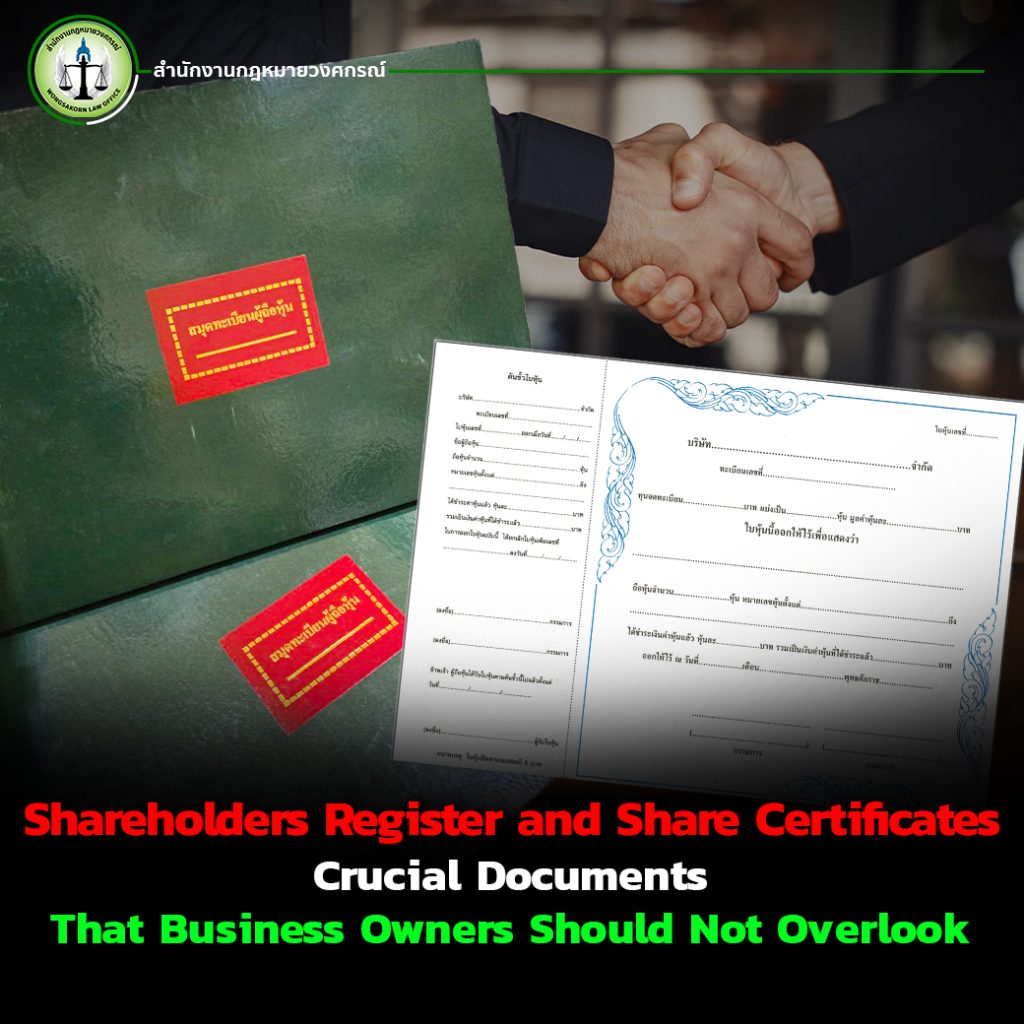
Never Received Share Certificates from Your Accounting Firm? It’s More Dangerous Than You Think — Directors Could Face Jail Time Without Knowing It

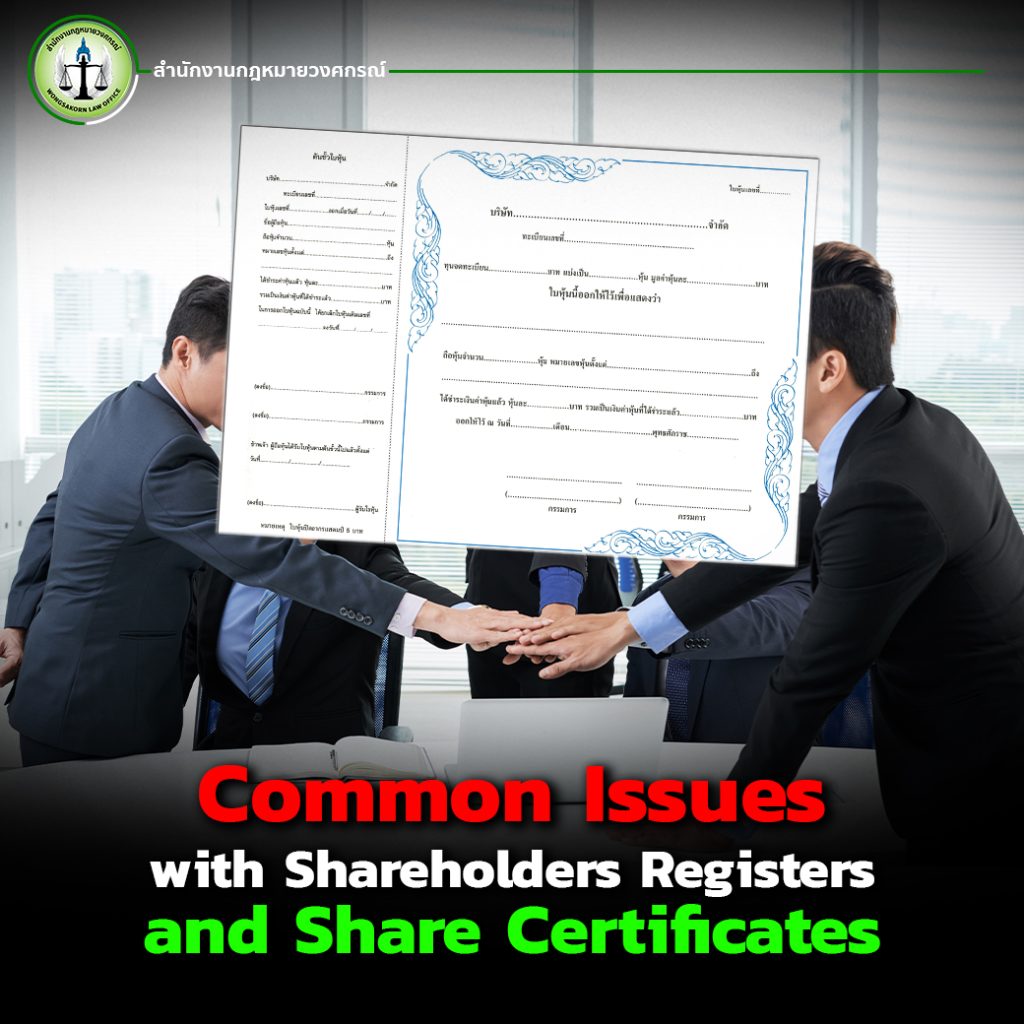
In a private limited company, “shares” represent ownership. For companies with multiple shareholders, issuing share certificates isn’t just a business formality — it’s a legal obligation. Failure to do so can lead to serious civil and criminal consequences, especially for company directors who may be held responsible on behalf of the company and other shareholders.

A Common Problem Among SMEs in Thailand

Many Thai SMEs and small businesses rely on accounting firms to handle everything — from registration to tax filing. However, the business owners or directors often have no idea that essential documents like share certificates or shareholder registers were never prepared. This means there may be no evidence of who truly owns the company.

While it may not seem serious at first, problems can arise later — such as partner disputes, profit disagreements, or issues during loan applications, share transfers, or capital increases. The absence of proper share documentation can become a legal and financial disaster.

What Are Shares and Why Are Share Certificates Important?

  • Shares represent ownership in a private company. The more shares you own, the more influence you have over company decisions and profit distributions.
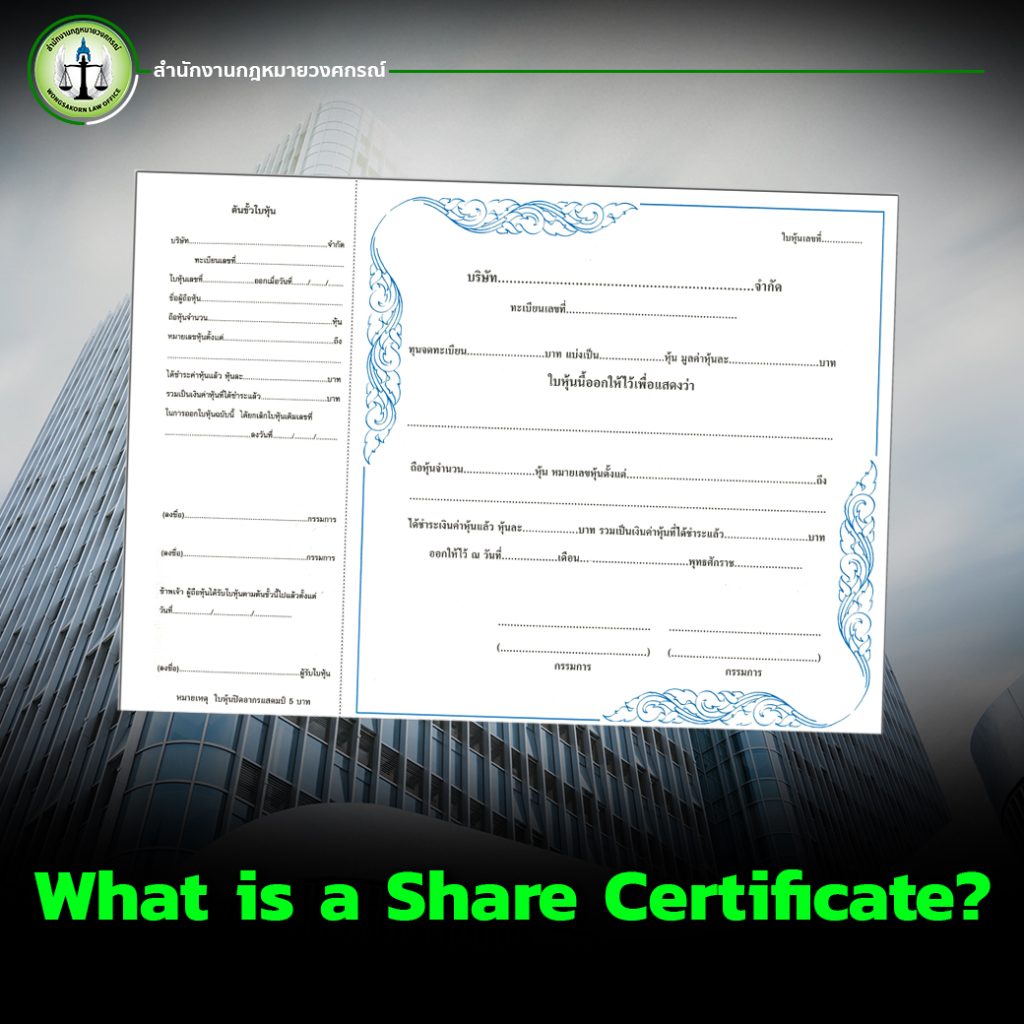
  • Share certificates are official documents that prove shareholder ownership. Thai law requires directors to issue these within a specific time frame.

Who Suffers When There Are No Share Certificates?

1.Shareholders
Without certificates, shareholders lack legal proof of ownership. In case of disputes, they might lose rights to dividends or company control.

2.Company Directors
Under Sections 1129 and 1134 of Thailand’s Civil and Commercial Code, directors must properly issue share certificates and maintain the shareholder register. Neglecting this could be considered “malfeasance” and lead to personal liability or even criminal charges.

3.The Company
Without a valid shareholder register or certificates, important transactions like capital increases, share pledging, or business sales may face legal complications.

Why Don’t Accounting Firms Issue Share Certificates?

Many business owners wrongly assume that hiring an accounting firm means everything is covered. In reality, issuing share certificates is a director’s responsibility, not the accountant’s. Since tax authorities don’t usually ask for these documents, many firms either neglect to prepare them or fail to inform clients they are required.

This problem is even more common with companies registered online or in a rush — often, only the registration and tax ID are done, while share documentation is completely overlooked.

How Do You Know If You Have a Share Certificate?

Check immediately:

  • Do you have a share certificate with your name, number of shares, and the director’s signature?
  • Does the company have an official shareholder register?
  • Are shareholder meetings and resolutions held in compliance with the law?

If you’re unsure, consult a business lawyer right away.

What To Do If You’ve Never Issued Share Certificates?

1.Gather Company Info
Check registration documents, director names, and shareholder details via Thailand’s Department of Business Development (DBD).

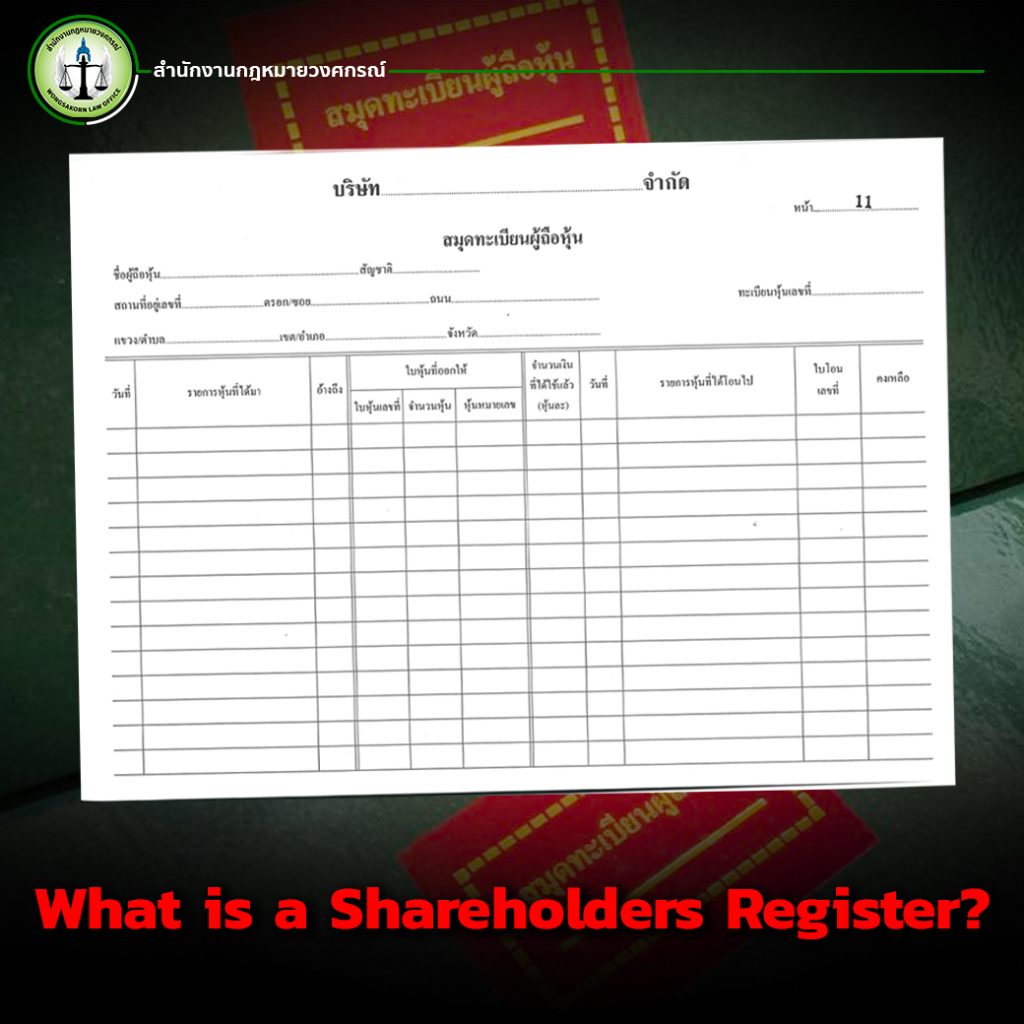
2.Create a Shareholder Register
This legally required document must list all shareholders, their share counts, and the date of receipt.

3.Issue Backdated Share Certificates
Prepare legally correct certificates with signatures and company seals, clearly marking the issue date.

4.Hold a Meeting to Approve Retroactive Documents
If no resolutions have ever been passed, conduct an official meeting and record the minutes.

5.Consult a Lawyer
Ensure all retroactive documents comply with the law and can be used in future disputes or transactions.

Shares Are Not Just Paper — They Represent Ownership and Legal Liability

Don’t let your shares exist without legal proof. No share certificate = no ownership evidence. And if you’re a director who never issued share certificates, you could go to jail without realizing it.

If you’re unsure whether your share documents are valid:
👉 Consult a lawyer specializing in corporate documentation for your safety and peace of mind.

Shares Stolen? Named as a Shareholder Without Consent? Here’s What to Do!

Understanding Shareholder Rights and Legal Remedies When Your Rights Are Violated

In the business world, owning “shares” means having a stake in a company—whether small or large. Shareholders have both rights and responsibilities under the law. However, problems often arise, such as being named as a shareholder without knowing, or suddenly finding that your name has disappeared from the shareholder list without explanation.

If you suspect you’re in one of these situations, this article will help you understand your legal rights and what actions to take.

What is a Share?

A share represents ownership in a company, especially a limited company or public limited company. Shareholders are entitled to dividends, voting rights at shareholder meetings, access to certain documents, and the right to claim benefits proportional to their shareholding.


Common Shareholder Problems

1. Being Named a Shareholder Without Consent
You may be shocked to discover your name listed as a shareholder in a company you’ve never dealt with. This often happens when someone uses your personal information (e.g., copy of ID card, house registration) to register a company without your knowledge or consent.

2. Name Removed from the Shareholder List
On the other hand, some genuine investors find their names missing from the official shareholder register, possibly due to forged transfers, internal manipulation, or deliberate exclusion by the company.

What Can You Do Legally?

Check Records with the Department of Business Development (DBD)
Visit the DBD website to verify your shareholder status or request copies of shareholder lists (Form BorJor.5). If you find your name wrongly added or missing without cause, follow these steps:

If You Were Wrongfully Listed as a Shareholder

🔹 File a Police Report
Report the unauthorized use of your identity at your local police station. This report will serve as key evidence in any future legal proceedings.

🔹 Notify the Department of Business Development
File a complaint with the DBD and request a correction or cancellation. Attach evidence such as the police report, denial letter, and any documents misused without your permission.

🔹 Take Legal Action
If the case involves forgery or falsified signatures, consider filing a criminal case for document forgery and a civil case to claim damages or nullify the registration.

If Your Name Was Removed as a Shareholder

🔸 Gather Investment Evidence
Collect proof of your investment, such as fund transfer slips, share purchase contracts, or bond certificates.

🔸 Send a Written Request to the Company
Formally demand that the company correct the shareholder list and attach your investment evidence.

🔸 File a Petition with the Court
If the company refuses to cooperate, you may file a petition with the court to compel the company to correct its records and legally recognize your shareholder rights.

Legal Penalties

Forgery or unauthorized removal of shareholder names may constitute criminal offenses under Thai law:

  • Document forgery (Section 264 of the Penal Code)
  • Using forged documents (Section 268)
  • Fraud (Section 341)

Penalties may include imprisonment, fines, or both.

Protect Yourself from Becoming a Victim

• Never hand over sensitive documents (ID card, house registration) unnecessarily.
• Regularly check your shareholder status, especially if involved in business dealings.
• Consult a lawyer immediately if anything seems suspicious.

Don’t Lose Your Legal Rights—Seek Legal Help

Shares are not just pieces of paper—they represent your rights and financial stake. If your name was added or removed without your consent, take immediate legal steps. These issues can lead to serious legal and financial consequences if ignored.

If you suspect you’re a victim of shareholder fraud or rights violation, consult a lawyer without delay. >>Contact Us<<

What is a Notary Public? Why Do Certain Documents Need Notarization?

You may have heard the term “Notary Public,” especially when dealing with legal documents related to overseas matters. However, many people still don’t fully understand what it means, why it’s important, and why certain documents require this kind of verification. This article will explain it clearly to help you avoid legal issues in the future.

What is a Notary Public?

A Notary Public in Thailand is a licensed lawyer who has been officially appointed by the Lawyers Council of Thailand. They are authorized to verify signatures, certify documents, and confirm certain facts. The notarization process gives a document legal credibility and enables it to be accepted in other countries.

The role of a Notary Public is not just to stamp and sign. They must also verify the authenticity of the document, identify the person signing, and ensure that the document truly exists and is genuine. This helps prevent forgery and fraudulent use.

What Types of Documents Require a Notary Public?

Notarization is often necessary for documents involving international dealings, such as:

1.     Power of Attorney
Especially when used abroad, such as authorizing a lawyer in another country or handling overseas property transactions.

2.     International Business Contracts
Including joint venture agreements, sales contracts, or documents submitted for foreign tax filings or company registration.

3.     Documents for Visa Applications or Overseas Study
Such as income certifications or parental consent forms.

4.     Educational or Government Certificates
Required for embassy procedures or use in another country, often needing both signature and document authenticity verification.

5.     Affidavits
Used to confirm someone’s identity or legal standing in overseas legal applications.6.     Documents for Embassies or Consulates
Many embassies require notarized documents before translation and legalization by the Ministry of Foreign Affairs or the embassy itself.

What Happens If You Don’t Have a Notarized Document?

If your documents are not notarized when required, you may face:

  • Rejection by foreign authorities.
  • Delays due to having to redo the documents properly.
  • Visa rejections or failed financial/property transactions.
  • Missed business opportunities due to invalid or late documentation.

That’s why it’s important to check beforehand whether your documents require notarization and to prepare them correctly from the start.

Common Misunderstandings About Notary Publics

Some people believe that their own signature or a witness is enough. Others mistakenly think a village headman or local official can act as a Notary Public. In Thailand, only licensed lawyers who have been formally certified may serve as Notary Publics.

If someone who lacks legal authority certifies your documents, those documents may be invalid or rejected outright.

Notary Publics Are More Relevant Than Ever

In today’s globalized world, international transactions are common—for students, businesspeople, or even travelers. Many will eventually need notarization services.

Even if you’re not currently dealing with foreign affairs, having certified documents from a qualified lawyer helps prevent future legal issues.

Notarization Builds Trust

A Notary Public is a legal safeguard that ensures your documents are trustworthy and valid—especially when used internationally. Don’t overlook this crucial step.

If you’re unsure whether your document needs notarization or you don’t know how to prepare it properly, consult a lawyer to avoid unnecessary problems.

Certified Notary Public Services from Wongsakorn Law Office

Wongsakorn Law Office offers notarization services through licensed Notary Public lawyers who are officially recognized by Thai law. We can notarize all types of documents, whether for education, business, or international litigation.

We focus on accuracy, speed, and security—so you can be confident your documents will be accepted and legally valid wherever they go.

📞 Need Notary Public services? Contact us today or reach us on LINE: @wongsakorn

In Which Cases Is Defamation Not Considered a Crime Under the Law?

In the era of social media, expressing opinions, posting, sharing, or criticizing others has become a daily occurrence. However, many times these actions may unknowingly lead to charges of “defamation.” Nevertheless, not every case of speaking negatively about someone is always considered illegal. The Criminal Code, Section 329, clearly provides exceptions where such speech is “not considered a crime” if it falls under the legal provisions.

This article will help you understand the types of cases in which, although the conduct may amount to defamation, it is not considered a crime because it is justified and protected by law.

What is Defamation?

According to Section 326 of the Criminal Code:
“Whoever makes a false statement about another person to a third party in a manner likely to damage that person’s reputation, cause them to be despised or hated, commits the offense of defamation.”

The act of “making a false statement” can occur through spoken words, writing, posting messages online, sending private messages, or any action that causes others to believe negatively about the person, resulting in harm to that individual.

The penalties for defamation range from imprisonment for up to 1 year, a fine of up to 20,000 baht, or both. The penalties may be more severe if the offense is committed publicly (Section 328).

Exceptions: “Not Guilty of Defamation” under Section 329

Even if the statements cause damage to another person, if there is a justifiable reason or the act is protected by law, it is not considered an offense. Clear examples of exceptions under Section 329 include:

1. Opinions or Statements Made in Court
“Any opinion or statement made by a party, lawyer, or witness during judicial proceedings.”
This includes testimonies, witness statements, or factual declarations made in court. If done in good faith, these are not considered defamation—even if the statements damage someone’s reputation.

2. Honest Criticism
“An expression of opinion or criticism made in good faith.”
The law recognizes the following types of criticism as not being offenses if made honestly:

  • Criticizing someone’s actions for public benefit
  • Criticizing government officials or public office holders
    Criticism made in the capacity of a teacher, instructor, or supervisor
    Criticism of individuals who voluntarily present themselves to the public, such as singers, actors, or politicians
  • Expressing opinions on publicly disclosed works such as books, TV shows, songs, or articles

It’s important that these criticisms are made in good faith, not intended to cause harm, and kept within reasonable limits—such as constructive feedback rather than public shaming or insults.

3. Protection of Lawful Rights or Interests
“The act of reporting, expressing opinions, or making allegations to officials so they may carry out their official duties.”
If you file a police report, give information to authorities, or submit a complaint to a government agency in good faith and with supporting evidence, such actions are not considered defamation—even if they involve negative statements about others.

Real-Life Examples of When ‘Speaking Out’ Is Not a Crime

  1. An employee posts publicly about an employer who failed to pay wages If the post is made in good faith, with supporting evidence, and without exaggeration or malicious intent, the court may consider it a truthful expression of opinion made for the public benefit.
  2. A journalist criticizes a politician
    If the information presented is based on verifiable facts and the language used is not excessively insulting or defamatory, it would not be considered an offense.
  3. Residents file a complaint about government officials 

involved in corruption If the allegations are supported by evidence and reported to the appropriate authority, it is not regarded as defamation under the law.

What to Do If You Are Accused of Defamation?

If you have been accused of defamation and believe that your actions fall within the legal exceptions, you should take the following steps:

  1. Gather evidence that shows your intention was in good faith — such as proof of unpaid wages, screenshots, photos, or chat logs that support your claims.
  2. Avoid posting further responses that might be considered repeated or additional defamatory statements.
  3. Consult a lawyer immediately to assess whether your actions fall under any legal exceptions and to plan a clear strategy for defending your case.

Defamation Is Not Always a Crime — If Made in Good Faith

Even if you are accused of defamation, your actions may not be considered unlawful if they meet one of the following legal exceptions:

  • It was a good-faith critique made in the public interest
  • It was a report or accusation made to a public official with authority
  • It was an opinion or statement made in court proceedings
  • It was an honest opinion made within reasonable limits

These situations are protected under Section 329 of the Thai Criminal Code, which provides exceptions to defamation liability.

If you or someone you know is accused of defamation, do not panic or admit guilt immediately. Instead, consult a defamation lawyer promptly to plan a clear defense strategy and fully protect your rights.

👉 Click here to consult a defamation lawyer.

Influencer Rights Violated! Sexy Photos Used in Ads Without Permission – Can You Sue?

In today’s digital age, being an influencer has become one of the most sought-after careers in the online world. An influencer’s image and identity are valuable assets that drive both income and reputation. However, as online media becomes increasingly widespread, there are growing instances of bad actors misusing influencers’ photos—especially sexy or revealing ones—for commercial purposes. These include unauthorized use in advertisements for products, supplements, or services.

This is no small matter. If you’re an influencer—or even just a regular person—whose image has been used without consent, you have full legal rights to take action against those responsible. Thai law offers protection in such cases, and it’s important to consult a lawyer promptly to explore your legal options and potentially file a lawsuit.

Using pornographic or sexy images without permission = Violation of personal rights + Defamation

Using someone’s image without permission, especially images that could damage their reputation—such as sexy outfits, swimsuit photos, or provocative poses—and using them to advertise products without proper context, or alongside misleading text, may constitute multiple legal violations under Thai law, including:

  • Violation of personal rights under the Civil and Commercial Code, Section 420
  • Defamation by means of advertisement, if the image or accompanying message causes damage, contempt, or hatred toward the person, under the Criminal Code, Sections 326 and 328
  • Violation of the Personal Data Protection Act, B.E. 2562 (PDPA) if a person’s image is used for benefit without their consent

Offense under the Computer Crime Act, B.E. 2560, in the case of publishing images or data that causes harm to the data subject

Influencers = Public Figures Who Must Be Protected in the Same Way

Although influencers are considered “public figures” in the context of marketing or media, this does not mean that anyone can freely use their image or leverage their fame for commercial gain. Influencers, like any other individual, have Image Rights and Personal Data Rights.

If the image is taken for a specific purpose—such as to promote art, fashion, or personal work—and is later edited or used inappropriately to advertise products related to sex, weight-loss supplements, or anything that could damage their reputation, this is considered a serious violation.

Common Examples of Such Incidents:

  • A fashion influencer posts a bikini photo on the beach, and it is edited with misleading text to advertise weight-loss products.
  • A photo from an Instagram account of a social media personality is taken and used in a page selling cream without prior consent.
  • A model’s sexy photo taken in a fashion context is placed on an advertisement for gambling websites or inappropriate services.

These situations, even without direct slander or accusations, can still cause significant harm to the individual’s reputation and career opportunities. They are entitled to claim damages or even pursue criminal charges.

What Should Influencers Do When Their Rights Are Violated?

  1. Gather evidence immediately, such as screenshots of the infringing post, information about the poster, and the original image that was used.
  2. Do not respond emotionally, as it may escalate the situation or cause you to become the wrongdoer yourself.
  3. Consult a lawyer to assess the damages, collect evidence, and take legal action both civilly and criminally.
  4. File a police report or a lawsuit in court. A lawyer can assist in handling the case correctly and quickly.

Request removal of the content or file a complaint with the relevant platform, such as Facebook, Instagram, TikTok, or the website where the infringement occurred.

Why Consult a Lawyer Specifically?

The process of filing a lawsuit for violations of personal rights and defamation on the internet involves complex legal details. These include claiming rights to the image, determining the intent of the violator, and demanding fair compensation for damages. An experienced lawyer will help you:

  • Analyze the case accurately
  • Collect all necessary evidence
  • Professionally file the lawsuit
  • Protect your reputation and rights in the long run

Influencers should not remain passive when their rights are violated, whether it is the unauthorized use of their image or the malicious editing that harms their reputation. Your image and reputation are valuable assets. If they are damaged, immediate legal action must be taken.

If you’re facing such an incident, don’t wait! Consult lawyer Arm from Wongsakorn Law Office immediately — because your image is your right, and we are here to protect it to the fullest.

Line @ คลิก! โทรหาเรา คลิก!